

Free Helpline
We are here to assist you.
Health Advisor
+91-8877772277Available 7 days a week
10:00 AM – 6:00 PM to support you with urgent concerns and guide you toward the right care.

We are here to assist you.
Health Advisor
+91-8877772277Available 7 days a week
10:00 AM – 6:00 PM to support you with urgent concerns and guide you toward the right care.
Explore the art of scissoring, a pleasurable sex position focused on mutual genital stimulation. Learn how to perform it, its variations, and why it's a popular choice for intimacy.

When you hear the word “scissoring,” your mind might not immediately go to a sex position. We’re here to clear up any confusion and guide you through this intimate and potentially pleasurable act. While often associated with lesbian relationships, scissoring is a versatile position that can be enjoyed by anyone seeking mutual genital stimulation.
Let’s break down what scissoring really is, how it’s performed, and why it’s become a popular choice for many couples. We’ll explore its nuances, address common misconceptions, and offer practical advice for incorporating it into your intimate life.
Scissoring, at its core, is a sex position where two individuals engage in mutual genital contact. The term itself conjures an image of legs intertwined, mimicking the blades of scissors. This position typically involves two people with vulvas facing opposite directions, their legs spread and intertwined, rubbing their genitals together.
However, the definition has evolved. While the classic image involves direct genital-to-genital rubbing, scissoring can encompass a broader range of activities. It’s about creating pleasure through friction and pressure, often focusing on the clitoris, a key area for arousal and orgasm for many individuals with vulvas.
You might hear the term “tribbing” used interchangeably with scissoring. While they are closely related and often used synonymously, there’s a subtle distinction. Tribbing is the broader sexual act of two people with vaginas rubbing their vulvas together. This can happen in various positions.
Scissoring, on the other hand, refers to one specific position within tribbing where the legs are positioned like scissors. Sex educators often explain it this way: tribbing is the act, and scissoring is a position. However, in common usage, the terms are frequently blended.
Historically, scissoring was often depicted as an act exclusive to lesbian women. However, this view is outdated and limiting. Scissoring is not defined by sexual orientation, gender identity, or specific anatomy alone.
Anyone seeking intimate connection and mutual pleasure can explore scissoring. This includes heterosexual couples, same-sex couples, and individuals of any gender identity. The key is mutual desire and the exploration of pleasure through close physical contact.
The beauty of scissoring lies in its adaptability. While there’s a classic way to perform it, you can customize it to suit your and your partner’s preferences.
Scissoring doesn’t have to be strictly genital-to-genital. You can incorporate other forms of touch and stimulation:
Real-Life Scenario: Maya and Priya have been together for two years and love exploring new ways to connect intimately. One evening, Priya suggested trying scissoring. Maya was a little unsure at first, having only seen it in movies, but Priya reassured her they could go at their own pace. They lay down, intertwined their legs, and started moving slowly. Maya found that the gentle rubbing against Priya’s thigh was surprisingly arousing, and soon they were grinding more deeply, giggling as they discovered new sensations together.
Scissoring offers several advantages for couples seeking mutual pleasure and connection:
No. While it’s often associated with lesbian sex, scissoring can be enjoyed by people of any sexual orientation or gender identity. It’s a position focused on mutual pleasure, not identity.
Orgasm is a complex response, and while scissoring can be highly effective for clitoral stimulation, it doesn’t guarantee orgasm for everyone every time. Communication, experimentation, and understanding your own body and your partner’s are key.
Communication is paramount. Talk to your partner about what feels good, what doesn’t, and what you’d like to try. Experiment with different speeds, pressures, and positions. Using lubricant can also enhance comfort and sensation.
While the classic definition involves two vulvas, the principles of mutual grinding and body contact can be adapted. Partners can explore similar positions focusing on friction and pressure, even if their anatomy differs. It’s about adapting the spirit of the act to what works for both individuals.
Scissoring is a fantastic option for couples looking to:
Remember, the most important aspect of any sexual activity is consent, communication, and mutual respect. If scissoring sounds appealing, have an open conversation with your partner and explore it together.
Access reliable home doctor visits in Pune. Get expert medical care, diagnosis, and treatment without leaving your home.
April 26, 2026

Nutrition labels are designed to inform — but food manufacturers often make them difficult to interpret. This expert guide walks through every section of a nutrition label, exposing the common tricks used to mislead consumers and showing you what to actually look for.
April 14, 2026
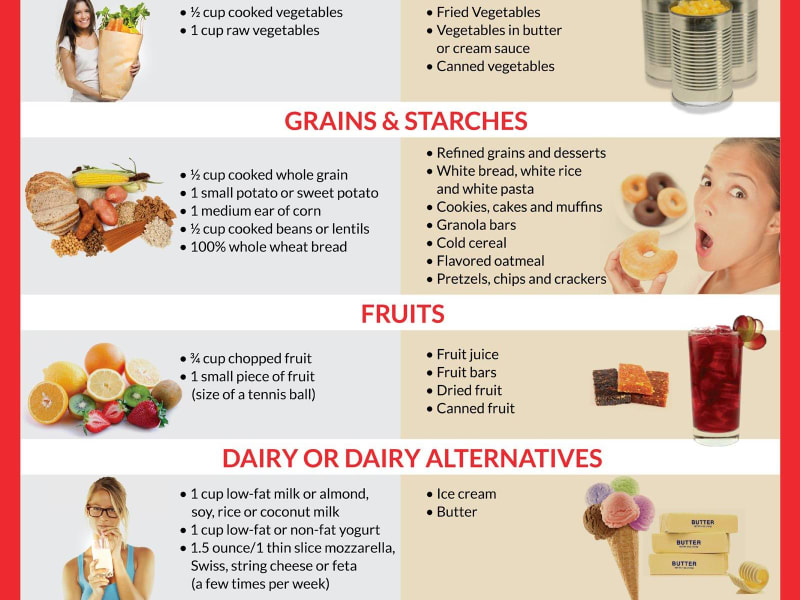
The carbohydrate debate is more nuanced than "eat less carbs." The quality of carbohydrates — their fibre content, processing level, and glycaemic impact — matters far more than their mere presence in your diet. Here's the science behind the distinction.
April 14, 2026