

Emergency & Help
24/7 Emergency & General Advisory
🚨 24/7 Medical Emergency
Non-Emergency Advisory
10:00 AM – 6:00 PM, Mon–Sat
For appointments & general queries.
24/7 Emergency & General Advisory
🚨 24/7 Medical Emergency
Non-Emergency Advisory
10:00 AM – 6:00 PM, Mon–Sat
For appointments & general queries.
Scientists at the University of Cambridge tested 39 common sweeteners against 25 species of gut bacteria in the lab. About three-quarters of the sweeteners changed how at least one bacterial species grew, and effects got stronger — or weaker — when sweeteners were combined with medications, caffeine
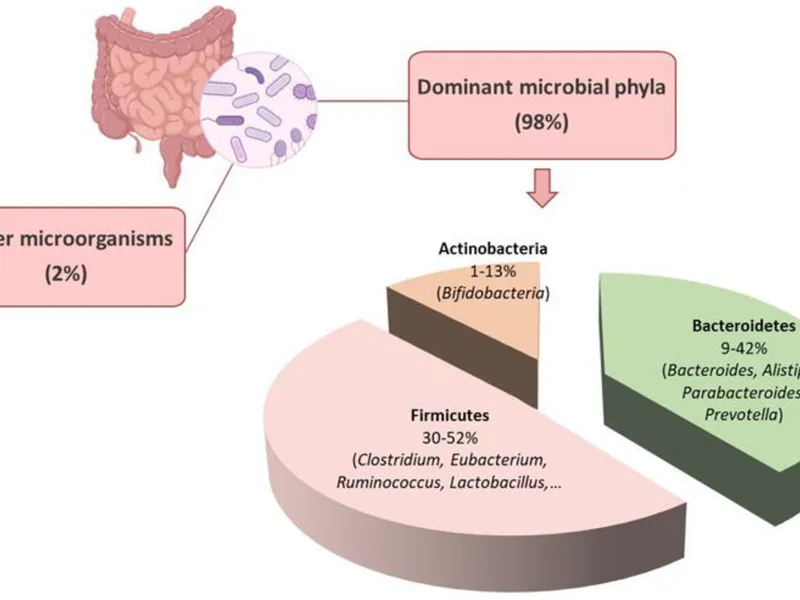
Scientists at the University of Cambridge tested 39 commonly used sweeteners against 25 species of gut bacteria in laboratory conditions and found that about three-quarters of them changed how at least one bacterial species grew. The effects were often stronger when sweeteners were combined with medications, caffeine, or flavorings people commonly consume alongside them.
The study, led by Dr. Sonja Blasche and Professor Kiran Patil at the Medical Research Council (MRC) Toxicology Unit, set out to answer a basic question that population studies couldn't: do sweeteners interact directly with gut bacteria, or is any health effect happening some other way?Patil explained that while animal and population studies have hinted the microbiome plays a role in how sweeteners affect health, it's been hard to tell whether sweeteners act through direct interactions with gut bacteria.
To find out, the team took a controlled, cell-culture approach. The researchers grew each of 25 gut bacterial species — a mix of beneficial, neutral, and potentially harmful strains — in the lab, then exposed each culture individually to 39 common, commercially used sweeteners, both artificial and natural, and measured how well the bacteria multiplied.Sweeteners were tested at a concentration of 50 micromolar, chosen to mirror levels found in the human colon.
They didn't stop at sweeteners alone. Because people rarely take sweeteners by themselves — they take them with drinks, snacks, or even medication used to mask bitterness — the team also tested sweeteners in combination with other common substances. These combination tests included caffeine, vanillin (vanilla extract), the artificial sweetener advantame, and the antidepressant duloxetine.
[REVIEWER: add clinical insight here — for example, whether patients on SSRIs/SNRIs or other common medications should be asking about sweetener interactions, and how much weight this in vitro finding should carry in real-world counseling.]
The headline number from the study is straightforward. About three-quarters of the sweeteners tested influenced the growth of at least one bacterial species, and in some cases they slowed or stopped the growth of bacteria associated with a healthy gut.That's a notably higher rate of biological activity than sweeteners are typically given credit for. Low-calorie sweeteners are often assumed to pass through the body unnoticed, but the researchers found they were far more biologically active than previously thought
The most attention-grabbing part of the study involved combinations, not single sweeteners. Researchers tested 39 commercial sweeteners across 156 combinations and found that most altered microbial growth, with some sweetener-drug pairings reducing bacterial diversity and disrupting metabolism.Across the full combination screen, the team identified more than 100 cases in which a sweetener behaved differently when paired with something else — a medication, caffeine, or a food flavoring.
The strongest single effect involved a stevia-derived compound.The most pronounced effect appeared when isosteviol was combined with the antidepressant duloxetine, sharply reducing two bacterial species associated with digestive health and blood sugar regulation, along with changes that could influence inflammation and immune activity It's worth being precise here: isosteviol itself is a research compound derived from stevia used to study this class of sweeteners in the lab — it is not, on its own, an ingredient found in the sweetener packets or diet drinks people buy at the store. Duloxetine is a widely prescribed antidepressant; more than 4.2 million people in the U.S. were prescribed it in 2023, according to the drug database ClinCalc.
Patil's team was candid that the size of the effect surprised them. Patil told Newsweek the researchers expected some interaction between sweeteners and medications, but not one as strong as what the experiments revealed.
[REVIEWER: add clinical insight here — for example, how you'd weigh a lab-culture finding like this against the much larger body of evidence on duloxetine's real-world safety profile before advising a patient.]
This research fits into a growing scientific effort to understand sweeteners as more than an inert sugar swap. The study's authors noted that sweeteners are often marketed as metabolically neutral, but their findings challenge that assumption. The regulatory system that cleared these sweeteners as safe wasn't built with this kind of interaction in mind. Current regulatory testing generally determines what dose of a sweetener causes harm on its own, but does not systematically test how sweeteners interact with medications, caffeine, or food additives people consume at the same time — a gap this study is among the first to address systematically.
This was a laboratory study using bacterial cultures, not a study of people, and the authors were upfront about that boundary. The researchers explicitly stated that the results do not prove sweeteners cause health problems in humans, and they called for future human clinical studies to determine whether the laboratory interactions translate into meaningful effects in real people.
It's also worth noting that early coverage of this study needed correcting on a key detail. Following reader feedback, the original article was updated to clarify that isosteviol is a stevia-derived diterpenoid used as a research compound, not a consumer sweetener itself, and wording suggesting it is widely used in food and beverage products was removed.That distinction matters: the duloxetine finding is a signal for further research on stevia-related compounds generally, not a warning about a product already sitting on store shelves.
This study doesn't mean sweeteners are dangerous, and it doesn't mean people taking duloxetine or other medications need to panic about their morning coffee sweetener. What it does show is that sweeteners are more biologically active in the gut than commonly assumed, and that combining them with medications can change their effects in ways regulators haven't traditionally tested for. If you take regular prescription medication and use sweeteners daily, this is a reasonable prompt to mention it to your doctor or pharmacist — not because there's proven harm, but because the interaction landscape is clearly more complex than "sweeteners pass through unnoticed."
Did the Cambridge study test sweeteners on real people? No. The study used laboratory cultures of 25 human gut bacterial species exposed to sweeteners under controlled conditions, not human trials. The researchers said the results don't prove sweeteners cause health problems in people and called for future clinical studies to test whether the lab findings hold up in humans.
How many sweeteners did the study look at, and what happened? Researchers tested 39 commercially used sweeteners, both artificial and natural. About three-quarters of them changed the growth of at least one gut bacterial species, with some slowing or stopping the growth of bacteria linked to a healthy gut.
Is isosteviol an ingredient in diet soda or sweetener packets? No. Isosteviol is a stevia-derived research compound used in the study to test this class of sweeteners, not an ingredient found in consumer sweetener products. Coverage of the study was corrected to clarify this after early reports implied otherwise.
Should people on antidepressants avoid artificial sweeteners? The study found a strong lab interaction between a stevia-derived compound and the antidepressant duloxetine, but this was in bacterial cultures, not in patients. Anyone concerned about their medication and diet should raise it with their doctor or pharmacist rather than changing their sweetener habits based on a lab study alone.
What's the main takeaway from this research? Sweeteners appear to be more biologically active in the gut than long assumed, and their effects can change significantly when combined with medications, caffeine, or flavorings. Current safety testing doesn't typically account for those combinations, which is the gap this study aimed to explore.
Blasche, S., et al. "Common xenobiotics modulate gut microbial responses to low-calorie sweeteners in vitro." Molecular Systems Biology, published June 25, 2026. DOI: 10.1038/s44320-026-00225-6.
University of Cambridge, "Sweeteners shown to slow growth of important gut bacteria in lab tests," cam.ac.uk.
ScienceDaily, "Scientists tested 39 sweeteners and found unexpected gut effects," July 2026.
Newsweek, "Common Sweeteners Can Damage Your Gut Bacteria, Study Finds," July 2026.
News-Medical.net, "Study finds some sweeteners can slow the growth of gut bacteria" (includes published correction on isosteviol), July 2026.
Technology Networks, "Sweeteners and Medications Alter Gut Microbiome Function," July 2026.
Visit Hospital
Near You

Learn about safe skin tag removal in Kolkata, including causes, treatment options, recovery, risks, and when to consult a dermatologist.
May 20, 2026

Looking for corn removal in Kolkata? Learn about symptoms, causes, treatment options, recovery, and prevention tips for painful foot corns.
May 20, 2026

Learn about safe and effective mole removal in Kolkata, including causes, treatment options, benefits, risks, and aftercare tips.
May 20, 2026