

Emergency & Help
24/7 Emergency & General Advisory
🚨 24/7 Medical Emergency
Non-Emergency Advisory
10:00 AM – 6:00 PM, Mon–Sat
For appointments & general queries.
24/7 Emergency & General Advisory
🚨 24/7 Medical Emergency
Non-Emergency Advisory
10:00 AM – 6:00 PM, Mon–Sat
For appointments & general queries.
Explore Extracorporeal Shock Wave Lithotripsy (ESWL) for kidney stones in Hajipur. Understand the procedure, benefits, and find leading specialists.
Renal calculi, commonly known as kidney stones, are solid mineral and salt deposits that develop within the renal organs. As these concretions traverse the urinary tract, they can inflict considerable pain and discomfort.
The rising prevalence of these formations represents a growing public health concern across India, impacting millions each year. Frequently, such obstructions impede the flow of urinary fluid, resulting in severe flank pain, hematuria (blood in the fluid waste), and potentially compromising renal function if not addressed.
For Hajipur residents seeking effective, minimally invasive treatments for renal calculi, Extracorporeal Shock Wave Lithotripsy (ESWL) presents a well-established method. This sophisticated medical technique employs concentrated acoustic energy to disintegrate these formations into minute particles, facilitating their natural expulsion from the body.
ESWL has emerged as a foundational element of contemporary urological practice, providing a less intrusive option compared to conventional surgical procedures.
Extracorporeal Shock Wave Lithotripsy (ESWL) constitutes a non-surgical approach for addressing renal calculi. ' During the intervention, a specialized device, termed a lithotripter, generates high-intensity acoustic pulses.
Here's where it gets interesting.
These pulses are precisely aimed at the calculus. The energy from these shock impulses causes the formation to break into minuscule pieces, often likened to sand-like particles.
These small particles can then readily traverse the excretory system (ureters, bladder, and urethra) and be expelled from the body within the fluid waste. Typically, this process spans from a few days to approximately two weeks.
Guidelines from the American Urological Association (AUA) identify ESWL as a principal therapy for calculi within specific size ranges and locations, particularly those situated in the renal organ or upper ureter.
The entire procedure typically requires about 45 minutes to an hour. Sedation or general anesthesia may be administered to ensure comfort, although it is frequently conducted with only pain management.
ESWL offers several advantages over more invasive surgical interventions. Its primary appeal lies in its non-invasive nature.
This means no surgical incisions are necessary, substantially diminishing the risk of infection and complications associated with operative procedures. For many individuals, the recuperation period is considerably shorter than with open surgery.
The numbers don't lie.
Key advantages include:
While ESWL is a potent therapeutic modality, its application is not universal. The efficacy of ESWL hinges on several variables, including the dimensions, composition, and position of the renal calculus. Formations exceeding 2 cm are often less responsive to ESWL.
Similarly, very dense concretions, such as those composed of cystine, may not disintegrate as effectively. The Indian Council of Medical Research (ICMR) emphasizes individualized approach strategies based on the characteristics of the calculus.
Factors that might render ESWL less appropriate include:
Physicians conduct thorough evaluations, including imaging studies and sometimes urinalysis, to determine the optimal course of action. Therefore, a personalized assessment by a specialist is crucial.
Hajipur, like numerous expanding cities in India, provides access to skilled medical professionals and advanced facilities. Identifying a qualified urologist proficient in ESWL is essential for a favorable outcome. sufferers should seek specialists affiliated with reputable hospitals or clinics equipped with contemporary lithotripsy machines.
That alone changes everything.
When selecting a medical practitioner, consider these aspects:
AIIMS (All India Institute of Medical Sciences) educates many of India's leading urologists, and their expertise is disseminated nationwide. Many specialists practicing in cities such as Hajipur have received similarly rigorous training.
before the ESWL procedure, the attending physician will issue specific directives. These may include fasting for several hours beforehand and discontinuing certain medications, particularly blood thinners. Adherence to these guidelines is imperative.
On the day of the procedure:
Following ESWL, people are monitored for a brief period before being cleared for discharge. It is common to experience some discomfort as the calculus particles pass. Copious fluid intake is strongly encouraged to aid in flushing out this material.
The presence of blood in the fluid waste may also be observed for a short duration, which is considered normal. The physician will provide comprehensive post-procedure care instructions, including any necessary medications (such as analgesics or alpha-blockers to facilitate passage) and follow-up appointments.
Recovery is rarely linear.
ESWL is generally regarded as safe, yet like any medical intervention, it carries certain potential risks. These are typically minor and manageable. typical adverse effects include:
Less typical but more serious risks could encompass infection, incomplete disintegration of the calculus, or obstruction of the urinary tract by debris. In rare instances, damage to the renal organ itself might occur.
However, with modern technology and experienced specialists, these risks are minimized. The Lancet has published numerous studies affirming the safety and efficacy of ESWL when performed under appropriate clinical conditions.
Preventing the formation of renal calculi is as vital as treating existing ones. Lifestyle modifications can significantly reduce the likelihood of calculus development or recurrence.
Maintaining adequate hydration is perhaps the most critical step. Individuals should aim to consume sufficient fluids throughout the day to keep their fluid waste dilute – typically enough to produce approximately 2 liters of fluid waste daily.
Dietary adjustments also play a pivotal role. Depending on the specific type of calculus, a physician might advise limiting sodium intake, as elevated sodium levels can increase calcium excretion in the fluid waste.
The numbers don't lie.
For calcium oxalate formations (the most prevalent type), reducing consumption of high-oxalate foods like spinach, rhubarb, and nuts might be recommended. However, it is important not to completely eliminate calcium from the diet, as this can sometimes lead to other health complications.
Regular physical activity and maintaining a healthy body weight also contribute to overall urinary tract wellness. Understanding the specific calculus type through analysis of passed material or during procedures is key to tailoring impactful preventive strategies.
India bears a substantial burden of non-communicable diseases, and renal concretions are part of this landscape, underscoring the importance of lifestyle awareness.
Yes, individuals can generally resume their typical diet after ESWL. However, the physician will likely recommend ample water consumption to assist in flushing out the calculus particles. They may also suggest dietary modifications based on the specific calculus type present to prevent future occurrences.
The expulsion of calculus particles can vary, typically ranging from a few days to approximately two weeks. Maintaining good hydration is crucial for facilitating this process. Follow-up appointments are usually scheduled to monitor progress and ensure all material has been expelled.
That's the part worth remembering.
While the acoustic impulses themselves can cause a tapping sensation, the procedure is usually performed with pain medication or sedation to ensure patient comfort. Some mild discomfort may be experienced as the particles traverse the urinary tract, but this is generally manageable with prescribed analgesics.
The success rate of ESWL is generally high, often exceeding 80%, particularly for calculi that are smaller (under 1 cm) and situated in the renal organ or upper ureter. However, factors such as calculus composition, patient anatomy, and the practitioner's experience can influence the outcome.
A physician can offer a more individualized estimate based on a patient's specific situation.
Always consult a qualified physician before making medical decisions.Visit Hospital
Near You
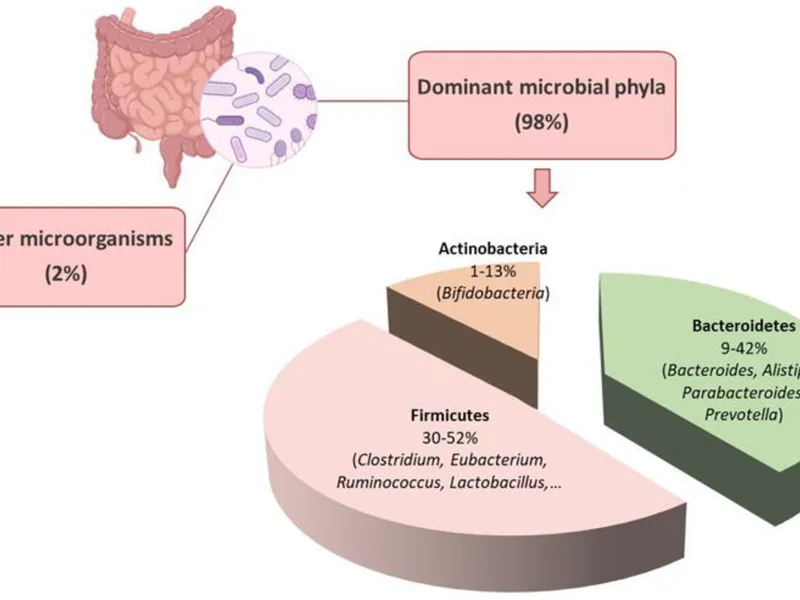
Scientists at the University of Cambridge tested 39 common sweeteners against 25 species of gut bacteria in the lab. About three-quarters of the sweeteners changed how at least one bacterial species grew, and effects got stronger — or weaker — when sweeteners were combined with medications, caffeine
July 23, 2026

Learn about safe skin tag removal in Kolkata, including causes, treatment options, recovery, risks, and when to consult a dermatologist.
May 20, 2026
Looking for corn removal in Kolkata? Learn about symptoms, causes, treatment options, recovery, and prevention tips for painful foot corns.
May 20, 2026