

Emergency & Help
24/7 Emergency & General Advisory
🚨 24/7 Medical Emergency
Non-Emergency Advisory
10:00 AM – 6:00 PM, Mon–Sat
For appointments & general queries.
24/7 Emergency & General Advisory
🚨 24/7 Medical Emergency
Non-Emergency Advisory
10:00 AM – 6:00 PM, Mon–Sat
For appointments & general queries.
Looking for a kidney doctor in Pakur? Learn about nephrologists, kidney diseases, and how to find expert care near you.
The well-being of the kidneys is a vital aspect of overall physical condition, yet it often goes unnoticed until issues emerge. Across India, conditions affecting these organs are a growing concern, impacting millions annually.
The populace faces a significant burden from chronic kidney disease (CKD), estimated to affect approximately 10-15% of adults. Consequently, numerous families in regions such as Pakur experience issues related to these vital organs.
These small, bean-shaped organs, the kidneys, carry out crucial roles: filtering waste from the bloodstream, regulating arterial pressure, producing red blood cells, and maintaining skeletal strength. When they falter, the repercussions can be severe.
Proactive attention and, when necessary, expert medical knowledge are essential for managing their function.
A nephrologist, a physician specializing in disorders of the kidneys, undergoes extensive training in identifying and managing such conditions. These experts are the primary authorities on issues impacting renal function.
Recovery is rarely linear.
They oversee everything from the initial phases of kidney dysfunction to its advanced stages, necessitating dialysis or transplantation.
Their expertise encompasses:
To better comprehend the function of these organs, staying informed and seeking timely consultations proves beneficial.
Many individuals in India are unfamiliar with the initial warning signs of conditions affecting these organs. Recognizing these manifestations is the first step toward seeking proper medical attention from a nephrologist. Indeed, these manifestations can indicate substantial underlying health concerns.
Diabetes and hypertension are the two leading causes of CKD in India, accounting for over 60% of cases, according to the Indian Council of Medical Research (ICMR).
Finding a proficient nephrologist in Pakur, or a similar smaller urban area, occasionally proves difficult. However, by adopting a systematic approach, you can identify the appropriate expert to manage your nephrological well-being. Many of us have undertaken this search for ourselves or those close to us.
Considerations When Selecting:
Remember, identifying the right fit is crucial for effective long-term care. For instance, a patient recently shared how a clear explanation from their nephrologist about managing fluid intake made a world of difference in their comfort levels.
Accurate diagnosis forms the foundation of reliable treatment for conditions affecting these organs. Without precise information, even the most skilled physician cannot provide optimal care. To evaluate the performance of these organs and pinpoint the root causes of dysfunction, medical experts use a range of diagnostic procedures.
The numbers don't lie.
These tests enable physicians to precisely tailor approach plans. For example, identifying specific types of glomerulonephritis through biopsy guides targeted immunosuppressive therapy.
The strategy for managing conditions affecting these organs varies significantly based on the type, stage, and underlying cause. The primary goals often include retarding the advancement of the illness, managing manifestations, preventing complications, and enhancing quality of life.
Living with a situation affecting these organs is indeed challenging, but with appropriate support and care, many individuals can lead fulfilling lives. The journey often resembles navigating a complex maze, yet a competent nephrologist serves as your guide.
Preventing conditions affecting these organs is always preferable to treating them. Simple lifestyle adjustments and routine check-ups can significantly lower your risk. How can we safeguard these essential organs?
A proactive approach empowers you to take control of your well-being. Consider it akin to tending a valuable garden; consistent care yields the best results.
Always consult a qualified physician before making medical decisions.
Yes, individuals with diabetes can consume rice, but portion control and the type of rice are important. Opt for brown rice over white rice when possible, as it possesses a lower glycemic index. Monitor your blood sugar levels closely after eating rice to understand its impact on your body.
The numbers don't lie.
The frequency of visits depends on the current problem of your renal system. If you have initial phases of renal impairment or chance factors, your nephrologist may advise check-ups every 6-12 months. For those undergoing dialysis or post-transplant, visits can be much more frequent, sometimes weekly or bi-weekly.
The two most marked contributors to the failure of these organs in India are uncontrolled diabetes mellitus and hypertension (elevated arterial pressure). Other causes include glomerulonephritis, polycystic organ disease, and prolonged use of certain medications.
Initial stages of kidney dysfunction, particularly if caused by temporary factors like dehydration or certain infections, can sometimes be reversed. However, chronic kidney disease (CKD) is generally progressive and not fully reversible, especially in later stages.
The focus then shifts to retarding its advancement and addressing subsequent issues.
Visit Hospital
Near You
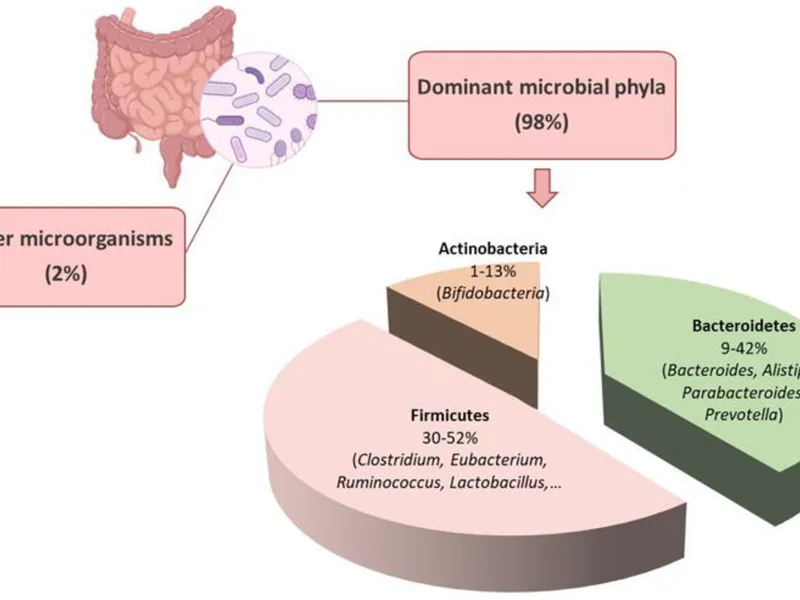
Scientists at the University of Cambridge tested 39 common sweeteners against 25 species of gut bacteria in the lab. About three-quarters of the sweeteners changed how at least one bacterial species grew, and effects got stronger — or weaker — when sweeteners were combined with medications, caffeine
July 23, 2026

Learn about safe skin tag removal in Kolkata, including causes, treatment options, recovery, risks, and when to consult a dermatologist.
May 20, 2026

Looking for corn removal in Kolkata? Learn about symptoms, causes, treatment options, recovery, and prevention tips for painful foot corns.
May 20, 2026