

Emergency & Help
24/7 Emergency & General Advisory
🚨 24/7 Medical Emergency
Non-Emergency Advisory
10:00 AM – 6:00 PM, Mon–Sat
For appointments & general queries.
24/7 Emergency & General Advisory
🚨 24/7 Medical Emergency
Non-Emergency Advisory
10:00 AM – 6:00 PM, Mon–Sat
For appointments & general queries.
Learn the vital signs indicating gallbladder removal may be needed. Understand symptoms, risks, and when to consult a specialist in India.
The gallbladder, a small organ tucked beneath your liver, makes a real difference in digestion. It stores bile, a fluid produced by the liver that helps break down fats.
However, this tiny organ can sometimes cause significant health problems, often necessitating its surgical removal – a procedure known as cholecystectomy. In India, where dietary habits and prevalence of certain conditions can differ, recognizing the signs that your gallbladder needs attention is paramount.
We often see people delaying seeking medical help for gallbladder issues, hoping symptoms will resolve on their own. This can lead to more severe complications. Understanding when intervention is required is key to maintaining good health and preventing a minor issue from becoming a major crisis. Does this sound familiar?
Gallbladder problems most frequently arise from gallstones. These are hardened deposits of digestive fluid that can form inside your gallbladder. They vary in size, from as small as a grain of sand to as large as a golf ball. Gallstones can cause pain and block the flow of bile.
Other conditions include gallbladder inflammation (cholecystitis), polyps, and, less commonly, cancer. The warning signs associated with these conditions often overlap, making a proper diagnosis by a physician essential.
And yet, so many people miss it.
Identifying the need for gallbladder removal involves recognizing a pattern of warning signs and understanding their potential severity. While mild discomfort might sometimes resolve, persistent or severe signs often indicate a problem requiring medical intervention. What most people miss: the subtle, yet persistent, indicators that something is amiss.
This is perhaps the most widespread indicator. Biliary colic refers to pain caused by gallstones blocking the cystic duct (the tube leading from the gallbladder). The pain is typically felt in the upper right abdomen, often radiating to the right shoulder blade or back. It can be intense, coming in waves, and may last from a few minutes to several hours. This pain often occurs after eating fatty meals, as the gallbladder contracts to release bile.
Living with this is genuinely hard. The unpredictability of the pain can significantly disrupt daily life, impacting work, social activities, and overall well-being. Many individuals find themselves constantly anxious about when the next episode will strike, modifying their diet drastically in an attempt to avoid triggers.
While indigestion can have many causes, persistent bloating and discomfort after meals, especially fatty ones, can be a sign of gallbladder dysfunction. The gallbladder’s inability to release adequate bile can impair fat digestion. You'll notice that this feeling of fullness or discomfort may linger for a long time after eating.
Nausea, often accompanied by vomiting, can be a direct result of gallbladder pain or inflammation. When gallstones obstruct bile flow, it can lead to a buildup of pressure and irritation within the gallbladder and surrounding organs. This symptom is particularly concerning when it occurs alongside severe pain.
It sounds simple. It rarely is.
Jaundice is a meaningful sign that requires immediate medical attention. It occurs when a gallstone moves out of the gallbladder and blocks the frequent bile duct, preventing bile from reaching the small intestine.
This blockage causes bilirubin, a yellow pigment in bile, to build up in the bloodstream, leading to the characteristic yellowing of the skin and the whites of the eyes. AIIMS experts emphasize that jaundice related to gallstones needs prompt evaluation.
A persistent fever, especially when accompanied by chills, can indicate an infection within the gallbladder (cholecystitis) or bile ducts (cholangitis). This is a serious condition that requires urgent treatment, often including antibiotics and potentially surgery to remove the infected gallbladder.
WHO guidelines stress the importance of recognizing infection signs.
Normal stool color is typically brown due to the presence of bile pigments. If your stools appear pale, light-colored, or clay-colored, it can signify a lack of bile reaching the intestines. This often points to a blockage in the bile ducts, a prevalent consequence of gallstones. This indicator is vital for diagnosing bile flow issues.
Here's where it gets interesting.
Conversely, a blockage in the bile ducts can cause bilirubin to be excreted through the kidneys, making the urine appear unusually dark, similar to the color of tea or cola. This is another sign that directly relates to impaired bile flow and warrants medical investigation.
While not as frequent as pain or indigestion, unexplained weight loss can sometimes be associated with chronic gallbladder disease or, more seriously, gallbladder cancer. Persistent nausea or difficulty digesting food can also contribute to unintentional weight loss. If you are losing weight without trying, consult your physician.
Physicians often perform a specific test called Murphy’s sign during a physical examination. When a patient is asked to inhale deeply while the doctor presses on the upper right abdomen, a sudden sharp increase in pain that causes the patient to stop inhaling abruptly is highly indicative of gallbladder inflammation.
This is a classic diagnostic clue.
A consistent inability to tolerate fatty foods is a strong indicator of gallbladder issues. Bile is essential for digesting fats. If your gallbladder isn't functioning properly or is blocked, you'll likely experience discomfort, pain, or indigestion after consuming fats. This intolerance can be a daily struggle for many.
The numbers don't lie.
When bile salts accumulate in the skin due to bile duct obstruction, it can lead to generalized itching. This symptom, known as pruritus, can be intensely uncomfortable and is another indicator of impaired bile flow that requires medical assessment.
Gallstones are a leading cause of acute pancreatitis in India and globally. If a gallstone travels down the bile duct and blocks the pancreatic duct, it can cause inflammation of the pancreas. This results in severe upper abdominal pain that often radiates to the back, nausea, and vomiting. This is a medical emergency.
Certain manifestations signal a medical emergency requiring immediate care. These include:
If you experience any of these, do not delay. Rush to the nearest emergency room or call for an ambulance. Prompt approach can prevent life-threatening complications. The Indian Association of Gastrointestinal Endosurgeons (IAGE) strongly advises prompt evaluation for severe manifestations.
Physicians use various methods to diagnose gallbladder problems. An ultrasound is typically the first imaging test performed, as it is highly effective at detecting gallstones and assessing gallbladder wall thickness. Other tests may include:
These diagnostic tools benefit specialists determine the extent of the problem and the best course of therapy.
When conservative management fails or when indicators are severe and recurrent, surgical removal of the gallbladder (cholecystectomy) is the proven solution. The two main types are:
The choice between laparoscopic and open surgery depends on the individual patient's issue and the surgeon's assessment. Both approaches are highly successful in resolving gallbladder-related warning signs.
That's the part worth remembering.
Many people worry about living without a gallbladder. You'll notice that most individuals adapt remarkably well. The liver still produces bile, but it drips continuously into the small intestine instead of being stored and released in large amounts when needed.
Some people might experience temporary digestive changes, like diarrhea, especially after consuming fatty meals. However, these issues often improve over time or can be managed with dietary adjustments.
Worth knowing: Some dietary modifications might be helpful initially. Focusing on smaller, more frequent meals and gradually reintroducing fats can assist your body in adjusting. Consulting with a dietitian can provide personalized guidance for a smooth transition.
While not all gallbladder issues can be prevented, certain lifestyle choices can reduce your risk:
Making these changes can contribute to long-term digestive wellness and potentially lower the likelihood of developing gallbladder problems.
Recognizing the signs that your gallbladder may need removal is crucial for timely intervention and preventing serious health complications. From the tell-tale pain of biliary colic to the more serious indicators like jaundice and fever, each symptom offers a clue. Pay attention to your body’s signals, especially if you live in India and are aware of the specific health considerations within the region.
That alone changes everything.
Early diagnosis and appropriate medical care, often involving cholecystectomy, can lead to a major improvement in your quality of life. Remember, your health is your greatest asset.
Always consult a qualified physician before making medical decisions.
Generally, plain rice is considered a low-fat food and is often well-tolerated by individuals with gallstones. However, it is best to consume it in moderation and observe how your body reacts, especially if you have experienced pain after eating. Avoid rich accompaniments like heavy gravies or excessive oil.
Gallbladder pain, often called biliary colic, can vary greatly. An episode might last anywhere from a few minutes to several hours, typically subsiding as the gallstone moves away from the duct or if the gallbladder stops contracting. If pain is severe or prolonged, it requires immediate medical attention.
Post-surgery pain is managed effectively with medication. Laparoscopic surgery, being minimally invasive, generally results in less pain and discomfort compared to open surgery. Most patients experience manageable pain that improves significantly within a few days.
Most people live normal, healthy lives without a gallbladder. While bile flows more continuously into the intestine, the body usually adapts. Some individuals may experience minor digestive issues, such as bloating or diarrhea, particularly after consuming high-fat meals, but these are often manageable through diet.
This is where most those affected struggle.
Visit Hospital
Near You
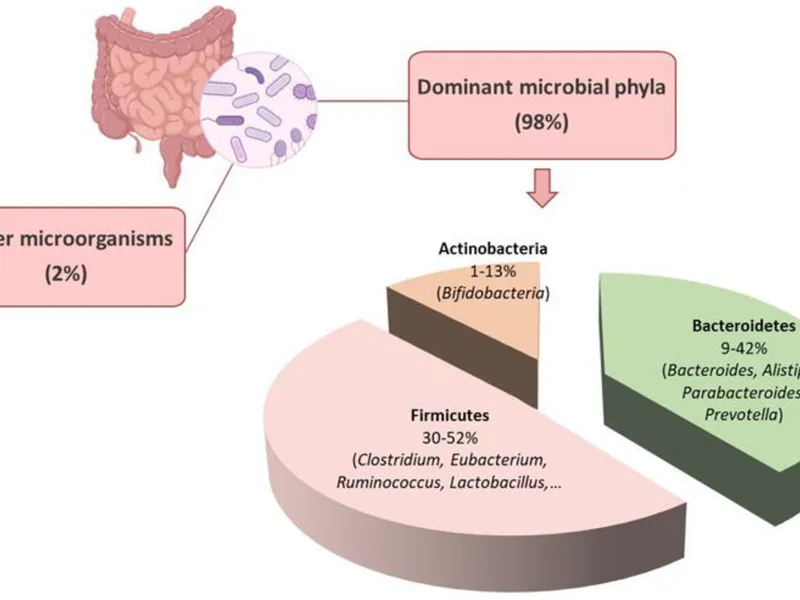
Scientists at the University of Cambridge tested 39 common sweeteners against 25 species of gut bacteria in the lab. About three-quarters of the sweeteners changed how at least one bacterial species grew, and effects got stronger — or weaker — when sweeteners were combined with medications, caffeine
July 23, 2026

Learn about safe skin tag removal in Kolkata, including causes, treatment options, recovery, risks, and when to consult a dermatologist.
May 20, 2026

Looking for corn removal in Kolkata? Learn about symptoms, causes, treatment options, recovery, and prevention tips for painful foot corns.
May 20, 2026