Lipfendra Cholesterol Treatment: What to Know
Learn how Lipfendra cholesterol treatment works, who may benefit, its role alongside statins, and what the new LDL-lowering pill means.
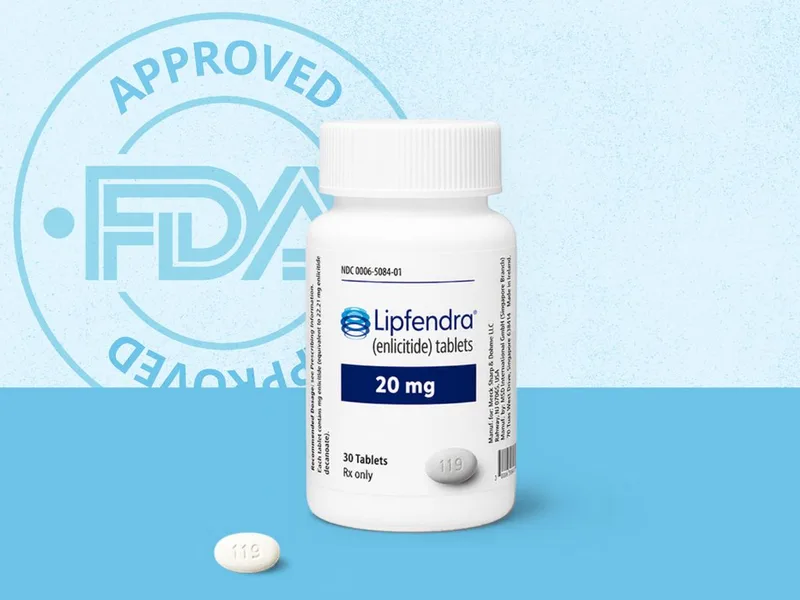
What Is Lipfendra?
Lipfendra is the brand name for enlicitide, a prescription cholesterol-lowering medicine developed by Merck. On July 17, 2026, the US Food and Drug Administration approved it as an addition to diet and exercise for adults with high cholesterol, including adults with heterozygous familial hypercholesterolaemia (HeFH), an inherited condition that can cause very high LDL cholesterol.
The approval is significant because Lipfendra is the first oral PCSK9 inhibitor approved by the FDA. PCSK9 inhibitors have traditionally been given as injections, so a tablet offers a different way to target the same cholesterol pathway.
For patients and doctors, however, a new medicine does not automatically mean a better medicine for everyone. The right treatment still depends on cardiovascular risk and the person's response to existing therapy.
How Does Lipfendra Lower Cholesterol?
Lipfendra works differently from a statin.
The medicine blocks PCSK9, a protein that causes the liver to break down LDL receptors. These receptors help the liver remove LDL cholesterol from the bloodstream. By inhibiting PCSK9, Lipfendra leaves more LDL receptors available to clear LDL from the blood.
This makes the drug part of the PCSK9 inhibitor family, but its tablet form distinguishes it from currently established injectable PCSK9 treatments.
DOCTAR's cholesterol balance guide explains why LDL, HDL and triglycerides provide more useful information than looking only at total cholesterol.
What Did the Lipfendra Trials Show?
The FDA approval was based on two randomized, double-blind, placebo-controlled clinical trials involving a combined 3,207 adults with severe hypercholesterolaemia, including people with and without HeFH. Participants were already receiving maximally tolerated statin therapy.
In one trial involving adults with cardiovascular disease or high cardiovascular risk, LDL cholesterol fell by an average of 56% at 24 weeks compared with baseline.
In the second trial, which involved adults with HeFH, the average LDL reduction was 59% at 24 weeks.
These are meaningful LDL reductions, but there is an important distinction. The FDA approval establishes Lipfendra's ability to lower LDL cholesterol; it should not be interpreted as proof that every patient taking it will avoid a heart attack or stroke.
Where Does Lipfendra Fit With Statins?
Statins remain a major part of cholesterol treatment.
They work by reducing cholesterol production in the liver and have a long-established role in reducing cardiovascular risk. DOCTAR's statin intolerance guide explains that statin treatment can be difficult for some patients because of adverse effects, while also noting that alternatives exist.
Lipfendra may be considered when additional LDL lowering is needed. The FDA indication describes it as an adjunct to diet and exercise, and the pivotal trials enrolled patients already receiving maximally tolerated statin therapy.
That does not mean people should stop a statin and switch to Lipfendra on their own.
Treatment decisions need to account for the person's cardiovascular history, LDL level, previous medicines, tolerance and overall risk.
What If Someone Cannot Tolerate Statins?
Statin intolerance can complicate cholesterol management.
Muscle symptoms and other adverse effects can lead some patients to stop treatment, but the reason for symptoms needs careful medical assessment. A patient should not assume every ache is caused by a statin or discontinue a prescribed medicine without discussing it with the prescriber.
DOCTAR's statin intolerance resource discusses non-statin options, including ezetimibe, PCSK9 inhibitors and bempedoic acid.
DOCTAR also covers Nexletol (bempedoic acid), another prescription option used in cholesterol management.
The choice is clinical, not a popularity contest.
How Does Lipfendra Compare With Cholesterol Injections?
PCSK9 inhibitors have previously been available as injectable medicines.
DOCTAR's cholesterol injections guide discusses injectable PCSK9 medicines such as evolocumab and alirocumab and their role in people who need substantial LDL reduction.
Lipfendra changes the delivery method by bringing PCSK9 inhibition into a tablet. That may appeal to patients who prefer oral treatment, although availability, eligibility, cost and local regulatory approval can differ between countries.
The July 2026 FDA approval is a US regulatory approval. Patients in India should not assume that US approval means the medicine is automatically available, approved or routinely prescribed in India.
What Side Effects Were Reported?
No prescription medicine should be described as risk-free.
In the FDA-reviewed trials, adverse reactions were generally similar between Lipfendra and placebo in the first study. In the HeFH study, diarrhea and dizziness occurred more often with Lipfendra than placebo.
The full prescribing information should be reviewed by healthcare professionals when considering treatment. Patients should report concerning or persistent symptoms to their healthcare provider rather than changing treatment themselves.
Why LDL Cholesterol Matters
High LDL cholesterol usually does not produce obvious symptoms.
Over time, excess LDL can contribute to plaque formation inside arteries. This process, called atherosclerosis, can narrow blood vessels and increase the risk of cardiovascular events such as heart attack and stroke.
DOCTAR's guide to cholesterol levels explains how LDL, HDL and total cholesterol are interpreted and why the appropriate target can differ according to individual risk.
A single cholesterol number therefore does not tell the whole story.
Lifestyle Still Matters
Lipfendra is not designed to replace healthy lifestyle measures.
The FDA specifically approved it as an adjunct to diet and exercise.
Dietary patterns, physical activity, smoking, body weight, diabetes, blood pressure and genetics can all influence cardiovascular risk. DOCTAR's heart-healthy diet guide discusses dietary approaches to managing high cholesterol.
Its exercise and heart-health guide also explains how regular physical activity can improve several cardiovascular risk factors.
For someone with persistently high LDL, lifestyle changes may be necessary but not always sufficient. Genetics can play a major role.
What About Familial High Cholesterol?
Some people inherit a condition called heterozygous familial hypercholesterolaemia, or HeFH.
People with HeFH can have very high LDL cholesterol because of inherited changes affecting how the body clears LDL from the bloodstream. The condition may also increase cardiovascular risk at a younger age.
Lipfendra's FDA indication specifically includes adults with HeFH.
A strong family history of very high cholesterol or premature heart disease should therefore be discussed with a doctor. DOCTAR's cholesterol control guide for Indians also highlights genetics among the factors that can influence cholesterol levels.
Can Diet Alone Replace Lipfendra?
That depends entirely on the person's medical situation.
Someone with mildly elevated cholesterol may be advised to focus on diet, activity and other lifestyle measures. Someone with established cardiovascular disease, very high LDL or an inherited cholesterol disorder may need medication as well.
DOCTAR's natural cholesterol remedies guide appropriately frames lifestyle and natural approaches as supplementary rather than a substitute for prescribed treatment.
A patient taking cholesterol medication should not replace it with supplements, herbal products or dietary changes without discussing that decision with a healthcare professional.
What Doctors Will Consider Before Treatment
A doctor will usually look beyond LDL alone.
The assessment may include the person's cardiovascular history, family history, diabetes status, blood pressure, smoking status, current medicines and previous response or intolerance to cholesterol-lowering therapy.
A lipid panel can provide LDL, HDL and triglyceride measurements. DOCTAR's home cholesterol testing guide explains how cholesterol tests are used to monitor lipid levels.
In clinical practice, one common mistake is treating the cholesterol report rather than the patient. The same LDL result can mean something very different in a person with previous heart disease compared with someone without other major risk factors.
Is Lipfendra a Breakthrough?
It is certainly a notable development in cholesterol treatment.
The FDA's approval gives doctors an oral option in a drug class that had previously been dominated by injectable therapies. Its clinical-trial LDL reductions were substantial.
But "breakthrough" should not become shorthand for "best treatment for everyone."
The long-term question is how the medicine will fit into real-world cardiovascular prevention, including its effect on cardiovascular events, access and affordability. LDL lowering is an important treatment goal, but patients ultimately care about outcomes, not just laboratory numbers.