

Emergency & Help
24/7 Emergency & General Advisory
🚨 24/7 Medical Emergency
Non-Emergency Advisory
10:00 AM – 6:00 PM, Mon–Sat
For appointments & general queries.
24/7 Emergency & General Advisory
🚨 24/7 Medical Emergency
Non-Emergency Advisory
10:00 AM – 6:00 PM, Mon–Sat
For appointments & general queries.
Stay updated with our latest healthcare news and your appointments.
Confused by CBD labels? Learn what to look for, understand terms like full-spectrum vs. isolate, and how to ensure product quality and accuracy in India.

Navigating the world of CBD products can feel like a maze, especially when you're in India where regulations are still evolving. You see bottles and packets promising relief, relaxation, and well-being, but how do you know what you're actually buying? The truth is, many CBD products aren't accurately labeled, leaving consumers in the dark about what they're putting into their bodies. This guide is designed to demystify CBD labels, empowering you to make informed choices and find quality products that meet your needs.
Before diving into labels, let's clarify a common point of confusion: hemp and marijuana. Both come from the Cannabis sativa plant, but they have key differences. The main distinction lies in their tetrahydrocannabinol (THC) content. Hemp plants are legally defined as having no more than 0.3% THC by dry weight. Marijuana plants, on the other hand, contain higher levels of THC, which is the compound responsible for the psychoactive 'high'.
In India, the Narcotic Drugs and Psychotropic Substances Act, 1985, regulates cannabis. While the law primarily targets marijuana and its derivatives with high THC, the legal status and availability of hemp-derived CBD products can be nuanced and vary. It's essential to be aware of the specific regulations in your region.
Cannabis plants contain over 100 different cannabinoids, alongside other beneficial compounds like terpenes and flavonoids. The two most talked-about cannabinoids are:
You'll often hear about the entourage effect. This theory suggests that CBD and THC, along with other cannabinoids and terpenes, work more effectively together than they do in isolation. This is why some products contain a mix of these compounds.
When you look at a CBD label, you'll likely see terms like 'full-spectrum', 'broad-spectrum', or 'CBD isolate'. Understanding these helps you know exactly what you're getting:
The biggest challenge with CBD products is inaccurate labeling. Studies have shown that a significant percentage of products don't match their labels. Here’s how to be a savvy consumer:
This is the most critical piece of information. The label should clearly state the total amount of CBD in milligrams (mg) per container and, ideally, per serving.
Understand what constitutes a single serving. For oils, it's often a fraction of a milliliter (mL). For gummies, it's typically one gummy. The label should guide you.
Check the ingredients. For oils, you'll want to see CBD extract and a carrier oil (like MCT oil, hemp seed oil, or olive oil). For edibles, look for natural sweeteners and flavors. Avoid products with unnecessary fillers, artificial colors, or potentially harmful preservatives.
This is your most important safeguard against inaccurate labeling. Reputable brands send their products to independent, third-party laboratories for testing. The lab results, often called a Certificate of Analysis (COA), verify the cannabinoid profile (CBD and THC levels) and check for contaminants like pesticides, heavy metals, and mold.
How to find the COA:
If a brand doesn't provide easy access to third-party testing results, it's a major red flag. Always prioritize transparency.
The label might indicate if the CBD is derived from hemp or marijuana. Given the legal landscape in India, hemp-derived CBD is generally more accessible.
Imagine you're looking for a CBD oil to help with occasional sleeplessness. You find a bottle that says '1000mg CBD' prominently. However, upon closer inspection, you notice the ingredients list is vague, and there's no mention of third-party testing or a QR code. You also see it lists 'proprietary blend' without details. In this situation, it's wise to be cautious. A better product would clearly state '1000mg Full-Spectrum CBD', list the carrier oil, and provide a batch number linking to a COA on the company's website, confirming the CBD and THC levels and absence of contaminants.
While CBD is generally considered safe, it's not a magic bullet, and its interaction with other medications isn't always fully understood. Always consult your doctor before starting any CBD product, especially if you:
Your doctor can help you understand potential risks, benefits, and appropriate dosages based on your health status and any medications you're taking.
Hemp-derived CBD products with 0.3% THC or less are unlikely to cause a positive drug test. However, broad-spectrum and full-spectrum products contain trace amounts of THC. If you are subject to regular drug testing, it's best to err on the side of caution or opt for CBD isolate, and discuss this with your healthcare provider.
Dosage is highly individual. Start with the lowest recommended serving size on the product label (e.g., 0.25-0.5 mL of oil or 1 gummy). Wait a few hours to gauge the effects. If needed, gradually increase the dose over several days until you find relief. Keeping a journal can help track what works.
The legal status of CBD in India is complex. While the Narcotic Drugs and Psychotropic Substances Act, 1985, primarily targets marijuana, the specific regulations regarding hemp-derived CBD products can be unclear and subject to interpretation. Some products are available, but it's crucial to ensure they comply with current regulations and are sourced responsibly.
Hemp seed oil is extracted from the seeds of the hemp plant and contains very little to no CBD. It's rich in fatty acids and often used in cosmetics or as a food supplement. CBD oil is extracted from the flowers, leaves, and stalks of the hemp plant and contains CBD. Always check the label to ensure you're getting CBD oil if that's what you intend to purchase.
Shopping for CBD doesn't have to be guesswork. By understanding the terminology, knowing what information to look for on the label, and prioritizing transparency through third-party testing, you can confidently choose products that are safe and effective. Remember to always consult with a healthcare professional, especially when integrating new supplements into your wellness routine.
Visit Hospital
Near You

Understand if Indian chemists can legally prescribe medicines. Learn about pharmacist roles and patient safety.
April 22, 2026
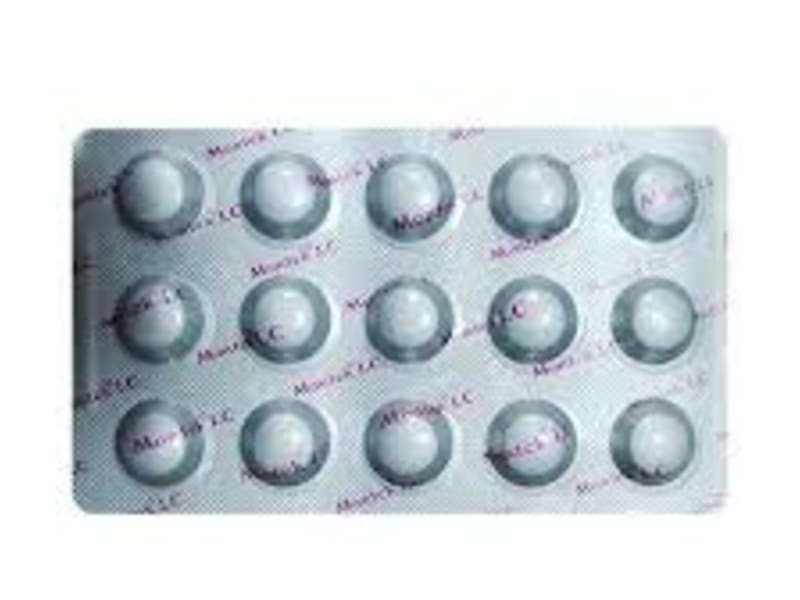
Montek LC tablet is applied in the treatment of allergies and asthma symptoms. This is an instructional manual on the usage, benefits, dosage and precautions to treat it safely and effectively.
April 11, 2026
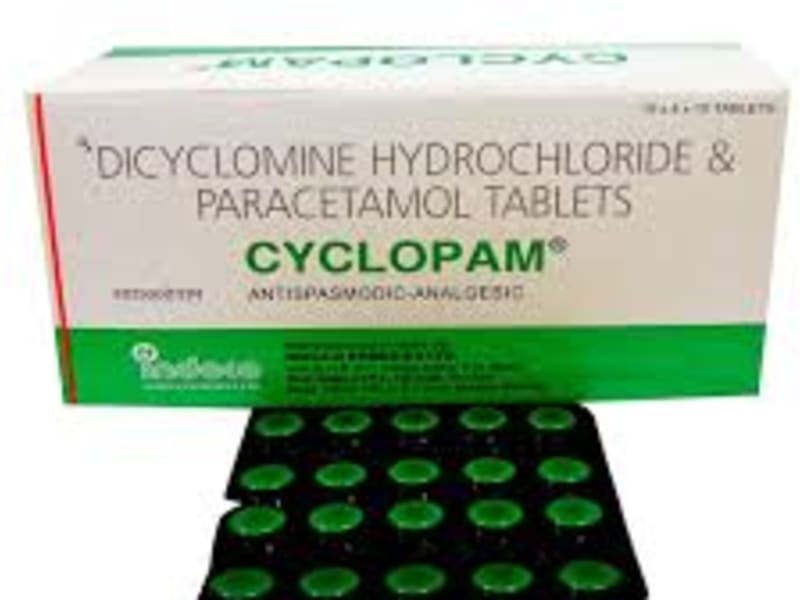
Cyclopam tablet is commonly used for abdominal pain and cramps. This guide explains its uses, benefits, dosage, and safety precautions for effective relief.
April 11, 2026