

Emergency & Help
24/7 Emergency & General Advisory
🚨 24/7 Medical Emergency
Non-Emergency Advisory
10:00 AM – 6:00 PM, Mon–Sat
For appointments & general queries.
24/7 Emergency & General Advisory
🚨 24/7 Medical Emergency
Non-Emergency Advisory
10:00 AM – 6:00 PM, Mon–Sat
For appointments & general queries.
Stay updated with our latest healthcare news and your appointments.
Understand what denatured alcohol (alcohol denat.) is, why it's used in your skincare, hand sanitizers, and other products, and its safety for topical use versus ingestion.

Have you ever picked up a skincare product or a bottle of hand sanitizer and noticed the term alcohol denat in the ingredients list? You're not alone if that leaves you scratching your head. Many people wonder what exactly denatured alcohol is and why it's used in everyday items. Let's clear up the confusion. Denatured alcohol is essentially ethanol, the same type of alcohol found in alcoholic beverages, but with certain additives mixed in. These additives make it unfit for human consumption, ensuring it's not misused for recreational drinking. It's a common ingredient in many household products, including hand sanitizers, perfumes, lotions, and even some hairsprays. Its primary roles are often as a solvent, a preservative, or an ingredient that helps other ingredients penetrate the skin. Ethanol itself is a naturally occurring substance produced through fermentation. It's the alcohol we commonly associate with drinks like beer, wine, and spirits. However, the alcohol used in industrial and cosmetic applications is often a much purer and more concentrated form. When ethanol is 'denatured,' it means specific substances have been added to it. The main reason for denaturing alcohol is to avoid the high excise duties imposed on alcohol meant for human consumption. By adding denaturants, the alcohol is rendered undrinkable, thus qualifying for a lower tax rate. Common denaturants include substances like methanol, isopropyl alcohol, acetone, or bittering agents like denatonium benzoate, which is the bitterest substance known. The concentration of denatured alcohol in products can vary. For instance, in hand sanitizers, you'll often find it at concentrations between 60% and 90%, which is effective for killing germs. In perfumes and colognes, it acts as a solvent to help the fragrance oils disperse evenly and evaporate from the skin, releasing the scent. In skincare, it can help products spread smoothly and can sometimes act as a mild astringent. Understanding the 'Denatured' Part The key difference between regular ethanol and denatured alcohol lies in those added substances. While ethanol is a simple alcohol produced by yeast fermentation of sugars, denaturing transforms it. Think of it like this: plain ethanol is like a pure spice that can be used in cooking. Denatured alcohol is that same spice, but with something added to make it unsuitable for eating directly, perhaps for safety or tax reasons. The additives are carefully chosen to be difficult to remove, ensuring the alcohol remains undrinkable. The purpose of these additives isn't to make the alcohol more potent or less effective for its intended use (like sanitizing or dissolving). Instead, their sole purpose is to deter ingestion. This is why you'll see it listed as 'alcohol denat.' on labels – it's a clear signal that this alcohol has been chemically altered to prevent drinking. Why Is Denatured Alcohol Used in Products? You might be wondering why manufacturers choose denatured alcohol over other options. Several reasons make it a practical choice: Cost-Effectiveness: As mentioned, denaturing alcohol allows it to be taxed differently, making it significantly cheaper to produce and use in bulk for manufacturing. Efficacy: In applications like hand sanitizers, high concentrations of ethanol are proven to be effective antimicrobial agents. Denatured alcohol provides this necessary concentration. Solvent Properties: Alcohol is an excellent solvent. It can dissolve oils, resins, and fragrances, making it indispensable in perfumes, cosmetics, and cleaning products. Fast Drying: Alcohol evaporates quickly, which is desirable in products like hairsprays (to dry fast) and hand sanitizers (so you don't have to wait long to get back to your activities). Preservative Action: In some formulations, alcohol can help preserve the product by inhibiting microbial growth. Denatured Alcohol in Hand Sanitizers This is perhaps where most people encounter alcohol denat. today. During times of increased health concerns, hand sanitizers become essential. The U.S. Food and Drug Administration (FDA) recommends using hand sanitizers that contain at least 60% ethanol or 70% isopropyl alcohol to effectively kill most viruses and bacteria. Denatured alcohol, often a form of ethanol, meets this requirement. However, experts consistently remind us that washing hands with soap and water for at least 20 seconds remains the most effective way to clean them. Hand sanitizers are best used when soap and water are not readily available. Denatured Alcohol in Skincare and Cosmetics In skincare and cosmetics, alcohol denat. plays a variety of roles. It can help to: Disperse Fragrances: In perfumes and colognes, it carries the scent and helps it evaporate into the air. Act as a Solvent: It helps to dissolve other ingredients in the formula. Improve Product Spreadability: It allows lotions and creams to glide smoothly onto the skin. Provide a Quick-Drying Finish: In products like hairspray, it ensures a fast-drying, non-sticky hold. Act as an Astringent: In some formulations, it can help to temporarily tighten skin and remove excess oil. A common scenario involves someone with oily skin looking for a lightweight moisturizer. They might pick up a product that lists alcohol denat. high on the ingredient list, hoping it will help control shine. The quick-drying nature of the alcohol can give an initial feeling of dryness and oil control. Denatured Alcohol in Other Household Products Beyond personal care, you'll find denatured alcohol in products like: Cleaning Solutions: It's a powerful degreaser and can be used in some household cleaners. Paints and Varnishes: It acts as a solvent for certain types of finishes. Antifreeze: In some industrial applications, it can be used as a component. Is Denatured Alcohol Safe for Skin and Hair? This is a frequently asked question, and the answer is nuanced. For its intended use in cosmetics and personal care products, denatured alcohol is generally considered safe when used in appropriate concentrations . However, it's not without potential downsides, especially for certain skin types or when used excessively. Potential Downsides: Dryness: Alcohol can strip the skin of its natural oils, leading to dryness and flakiness. This is particularly true for individuals with already dry or sensitive skin. Irritation and Redness: Some people may experience redness, stinging, or irritation, especially if the product contains a high percentage of denatured alcohol or if their skin barrier is compromised. Breakouts: While sometimes used to combat oiliness, for some individuals, the drying effect of alcohol can paradoxically trigger the skin to produce even more oil, potentially leading to breakouts. Compromised Skin Barrier: Overuse or high concentrations can weaken the skin's natural protective barrier, making it more vulnerable to environmental stressors and moisture loss. What about hair? In hair care products, denatured alcohol is often used in styling products like hairspray. It helps the product dry quickly, setting your style. However, like with skin, it can contribute to dryness and make hair feel brittle if used too frequently or in high concentrations. A Note on Fatty Alcohols: It's important to distinguish denatured alcohols from 'fatty alcohols.' Fatty alcohols, such as cetyl alcohol or stearyl alcohol, are derived from natural sources like plants and are often beneficial for the skin. They act as emollients and moisturizers, helping to soften and smooth the skin, rather than strip it. If you have concerns about dryness, look for skincare products that contain fatty alcohols and have denatured alcohol listed lower down on the ingredient list, or are formulated without it. What Happens If You Drink Denatured Alcohol? This is where the safety aspect becomes critical. Denatured alcohol is toxic and should NEVER be ingested. The additives, particularly methanol, are highly poisonous. Symptoms of Ingestion: If someone accidentally or intentionally drinks denatured alcohol, they can experience severe symptoms of alcohol poisoning very quickly. These can include: Nausea and vomiting Abdominal pain Dizziness and confusion Headaches Blurred vision Difficulty breathing Seizures Coma In severe cases, blindness or death can occur. Methanol, a common denaturant, is particularly dangerous because the body metabolizes it into formaldehyde and formic acid, which are toxic to the optic nerve and central nervous system. Even small amounts can be lethal. What to Do in Case of Ingestion If you suspect someone has ingested denatured alcohol, seek immediate medical attention. Call your local emergency number or poison control center right away. Do not try to induce vomiting unless specifically instructed to do so by a medical professional. When to Be Cautious with Products Containing Alcohol Denat. While generally safe for topical use, pay attention to your skin's reaction. If you notice any of the following, consider switching to a product with less or no alcohol denat.: Persistent dryness or flakiness Increased redness or sensitivity A feeling of tightness after application More frequent breakouts than usual If you have a condition like eczema or rosacea, you might want to be extra careful and opt for alcohol-free formulations. FAQs About Denatured Alcohol Q1: Is 'alcohol denat' the same as rubbing alcohol? Rubbing alcohol is typically isopropyl alcohol, although sometimes it can be ethanol. Both are forms of alcohol that are denatured or otherwise made unfit for consumption. Isopropyl alcohol is also toxic if ingested. Q2: Can I use denatured alcohol to clean wounds? No. While ethanol can be used as an antiseptic, denatured alcohol contains
In summary, timely diagnosis, evidence-based treatment, and prevention-focused care improve long-term health outcomes.
Visit Hospital
Near You
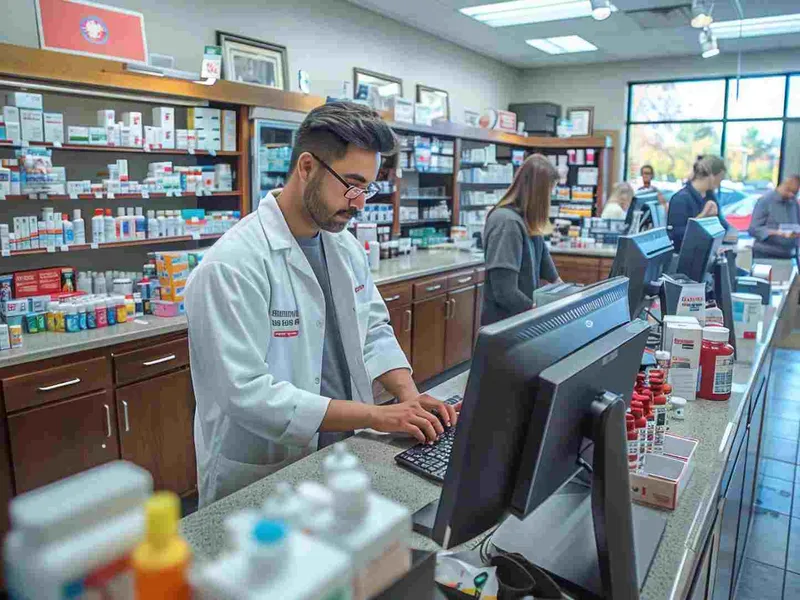
Understand if Indian chemists can legally prescribe medicines. Learn about pharmacist roles and patient safety.
April 22, 2026
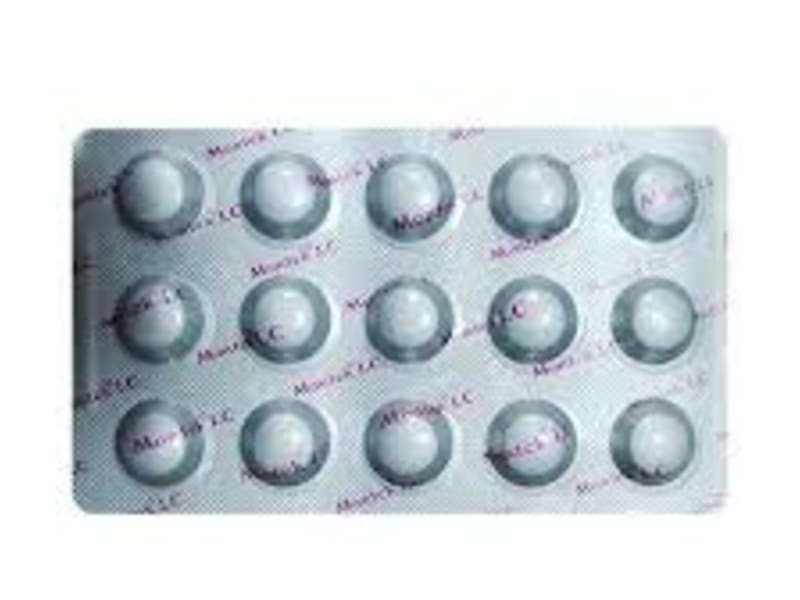
Montek LC tablet is applied in the treatment of allergies and asthma symptoms. This is an instructional manual on the usage, benefits, dosage and precautions to treat it safely and effectively.
April 11, 2026
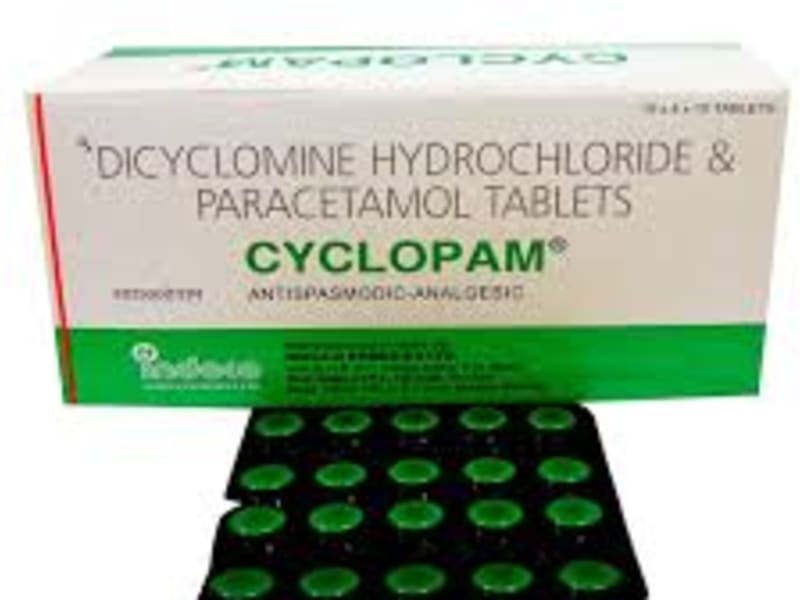
Cyclopam tablet is commonly used for abdominal pain and cramps. This guide explains its uses, benefits, dosage, and safety precautions for effective relief.
April 11, 2026