

Emergency & Help
24/7 Emergency & General Advisory
🚨 24/7 Medical Emergency
Non-Emergency Advisory
10:00 AM – 6:00 PM, Mon–Sat
For appointments & general queries.
24/7 Emergency & General Advisory
🚨 24/7 Medical Emergency
Non-Emergency Advisory
10:00 AM – 6:00 PM, Mon–Sat
For appointments & general queries.
Understand how Medicare Part B and Part C cover Keytruda, a vital immunotherapy for cancer treatment. Learn about deductibles, coinsurance, and out-of-pocket costs for Medicare beneficiaries.

Facing a cancer diagnosis can be overwhelming, and understanding your treatment options and how they are covered by insurance adds another layer of complexity. Keytruda, a revolutionary immunotherapy drug, has offered new hope for patients with several types of cancer, including melanoma and lung cancer. As a Medicare beneficiary, you might be wondering: does Medicare cover Keytruda? The good news is that for most patients, the answer is yes. Keytruda infusions are typically covered under Medicare Part B and can also be accessible through Medicare Part C plans.
This article aims to demystify Keytruda coverage within the Medicare system. We will break down how different parts of Medicare handle this vital cancer treatment, what your potential out-of-pocket costs might look like, and important considerations for beneficiaries navigating this aspect of their healthcare.
Keytruda, with the generic name pembrolizumab, is a type of immunotherapy. Unlike traditional chemotherapy that targets rapidly dividing cells (both cancerous and healthy), immunotherapy works by harnessing your body's own immune system to fight cancer. Keytruda specifically targets a protein called PD-1 (programmed cell death protein 1) found on immune cells. By blocking PD-1, Keytruda helps the immune system recognize and attack cancer cells more effectively. It is administered as an intravenous (IV) infusion, meaning it is given through a vein, usually in a doctor's office or an outpatient clinic. This method of administration is key to understanding how Medicare covers it.
Medicare is a federal health insurance program primarily for individuals aged 65 and older, as well as younger people with certain disabilities. It is divided into different parts, each covering specific types of healthcare services and medications. For Keytruda, the relevant parts of Medicare are Part B and Part C.
Medicare Part B is the part of Original Medicare that covers medically necessary outpatient services and durable medical equipment. Since Keytruda is administered as an infusion in a doctor's office or outpatient clinic, it falls under the umbrella of outpatient services. Therefore, Medicare Part B generally covers Keytruda when it is prescribed and administered as part of your cancer treatment.
When you have Original Medicare (Part A and Part B):
To understand your costs, it's important to know that Medicare Part B has a deductible and coinsurance. For 2024, the Part B deductible is $240. You must meet this deductible before Medicare starts paying for covered services and medications.
After you meet the deductible, you will typically pay 20% of the Medicare-approved amount for Keytruda infusions. The remaining 80% is covered by Medicare Part B.
Example Scenario: Imagine Mrs. Sharma, a 70-year-old Medicare beneficiary, begins her Keytruda treatment. Her first infusion costs $10,000 (the Medicare-approved amount). She has already met her $240 Part B deductible for the year. So, she will pay 20% of the $10,000, which is $2,000, for that infusion. Medicare Part B will cover the remaining $8,000.
Medicare Part C, also known as Medicare Advantage, is an alternative way to receive your Medicare benefits. These plans are offered by private insurance companies that have been approved by Medicare. Medicare Advantage plans must provide at least the same coverage as Original Medicare (Part A and Part B), and many offer additional benefits, such as prescription drug coverage, vision, dental, and hearing care.
Coverage through Part C: If you are enrolled in a Medicare Advantage plan, your Keytruda coverage will be handled by your private plan. Most Medicare Advantage plans include prescription drug coverage and cover outpatient treatments like Keytruda infusions. The specific details of your coverage, including deductibles, copayments, and coinsurance, will vary depending on the plan you choose.
Out-of-Pocket Costs with Part C: According to data from Keytruda's manufacturer, a significant portion of Medicare Advantage members experience very low out-of-pocket costs for Keytruda. Many pay nothing at all, while others pay a relatively small amount after meeting their plan's deductible. It is essential to review your specific Medicare Advantage plan's Evidence of Coverage (EOC) to understand your benefits and costs.
Medicare Part D is the part of Medicare that covers prescription drugs, primarily those you take at home. Since Keytruda is administered via infusion by a healthcare professional, it is generally not covered under Medicare Part D plans. Even if you have a Part D plan, Keytruda will likely be covered under Part B or your Part C plan instead.
For those with Original Medicare (Part A and Part B), supplemental insurance policies, often called Medigap, can help cover the out-of-pocket costs not covered by Original Medicare, such as the Part B deductible and coinsurance. However, the availability and coverage of Medigap plans have changed.
Historically, Medigap Plans C and F provided comprehensive coverage, including paying the Part B deductible and the 20% coinsurance for services like Keytruda infusions. However, these plans are no longer available to individuals who became eligible for Medicare on or after January 1, 2020. If you were enrolled in Plan C or F before this date, you can generally keep your coverage as long as your insurance company offers it.
Medigap Plans K and L offer a different cost-sharing structure. They cover a portion of your Part B coinsurance. With Plan K, you would pay 50% of the coinsurance for Keytruda. With Plan L, you would pay 25% of the coinsurance. These plans can help reduce your overall out-of-pocket expenses, but you will still have some cost-sharing.
It's important to understand the significant cost of Keytruda if you do not have any insurance coverage. Without insurance, a single 200-milligram (mg) dose of Keytruda can cost over $11,000. Given that infusions are often administered every 3 to 6 weeks, the total cost can quickly become financially unmanageable. This highlights the critical role of Medicare and other insurance in making such life-saving treatments accessible.
Navigating insurance coverage for complex treatments like Keytruda can be challenging. Here are some steps you should take:
A1: Medicare covers Keytruda for the FDA-approved indications. Your oncologist will determine if Keytruda is an appropriate treatment for your specific cancer type and stage. Medicare coverage is based on medical necessity.
A2: The frequency of Keytruda infusions depends on the type of cancer being treated and the specific treatment regimen. It can range from every 3 weeks to every 6 weeks. Your doctor will decide the best schedule for you.
A3: No, Keytruda must be administered by a licensed healthcare professional in a clinical setting, such as a doctor's office or an outpatient infusion center. It is not a medication you can take at home.
A4: Medicare Advantage plans must cover all services that Original Medicare covers. If you believe your plan is not providing coverage for a medically necessary service like Keytruda, you have the right to appeal the decision. You should also contact Medicare directly for guidance.
Visit Hospital
Near You

Understand if Indian chemists can legally prescribe medicines. Learn about pharmacist roles and patient safety.
April 22, 2026
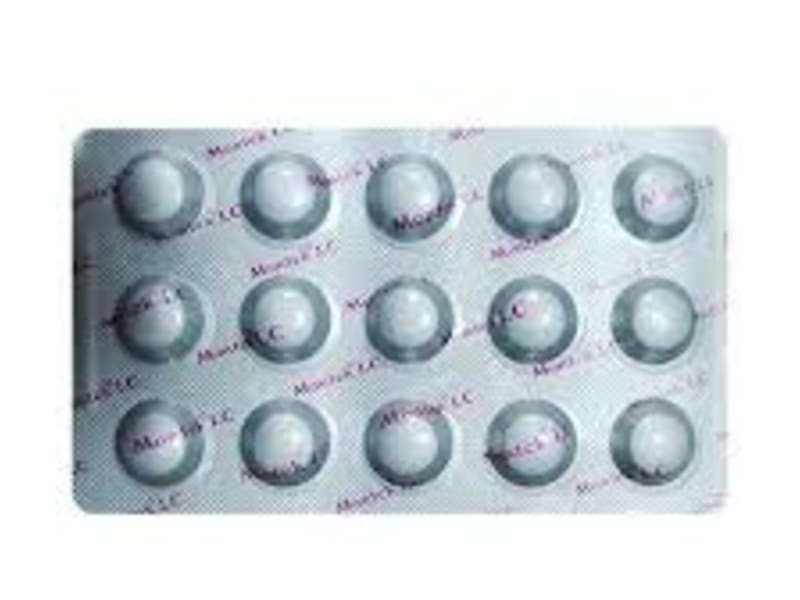
Montek LC tablet is applied in the treatment of allergies and asthma symptoms. This is an instructional manual on the usage, benefits, dosage and precautions to treat it safely and effectively.
April 11, 2026
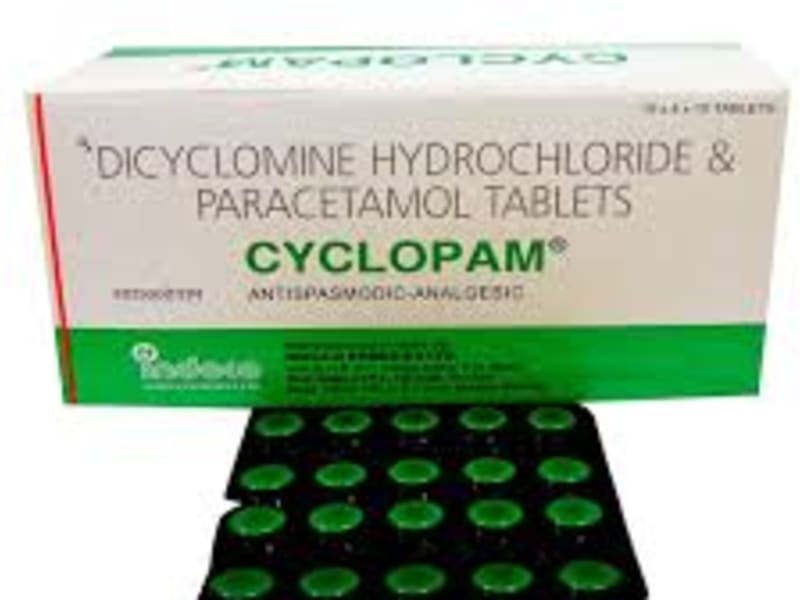
Cyclopam tablet is commonly used for abdominal pain and cramps. This guide explains its uses, benefits, dosage, and safety precautions for effective relief.
April 11, 2026