

Emergency & Help
24/7 Emergency & General Advisory
🚨 24/7 Medical Emergency
Non-Emergency Advisory
10:00 AM – 6:00 PM, Mon–Sat
For appointments & general queries.
24/7 Emergency & General Advisory
🚨 24/7 Medical Emergency
Non-Emergency Advisory
10:00 AM – 6:00 PM, Mon–Sat
For appointments & general queries.
Stay updated with our latest healthcare news and your appointments.
An in-depth look at SilverScript's Medicare Part D plans for 2026, including coverage details, costs, pharmacy networks, and how to navigate drug formularies.

As you plan for your healthcare needs, understanding prescription drug coverage is paramount, especially for those with Medicare. SilverScript, a prominent provider of Medicare Part D plans, offers a pathway to managing your medication costs. In 2026, SilverScript is set to introduce a plan named SilverScript Choice. This plan aims to provide access to a vast network of pharmacies and keep out-of-pocket expenses manageable. Let's explore what this means for you.
Medicare Part D is the part of Medicare that helps cover the cost of prescription drugs. It was introduced to help individuals with Medicare afford their medications. If you have Medicare Part A (Hospital Insurance) or Medicare Part B (Medical Insurance), you may be eligible for Part D coverage, either through a standalone prescription drug plan (PDP) or as part of a Medicare Advantage Plan (Part C) that includes drug coverage.
SilverScript has established itself as one of the largest providers of Medicare Part D coverage in the United States. For the 2024 health plan year, it became a part of Aetna Medicare, which itself is part of CVS Health. This integration means that CVS Caremark serves as the pharmacy benefit manager (PBM) for SilverScript plans.
For the upcoming 2026 plan year, SilverScript will offer one primary plan option: SilverScript Choice (PDP). The key features of this plan are designed to offer value and convenience:
Understanding the costs associated with any health plan is vital. For 2026, the anticipated premiums for SilverScript Choice will vary based on your state of residence. The plan booklet will provide specific details on these monthly premiums.
Beyond premiums, you'll also encounter other costs:
It's important to be aware of the maximum out-of-pocket expense limit. In 2025, this limit is set at $2,000, and it is projected to increase to $2,100 in 2026. Once you reach this limit, known as catastrophic coverage, you generally won't be responsible for additional costs for covered Part D drugs for the rest of the year. This cap also accounts for payments made on your behalf through programs like Extra Help, which assists individuals with limited income and resources in paying for their Medicare costs.
Every Medicare Part D plan has a formulary, which is a list of covered drugs. Sometimes, a drug you need might not be on the plan's formulary. Here's what you should know:
Step therapy is a process where your plan might require you to try one or more other drugs to treat your condition before it covers the prescribed medication. For instance, you may need to try drug X first and if it doesn't work, your plan will then cover drug Y. This is often implemented for more expensive medications, encouraging the use of equally effective but more affordable alternatives first.
Scenario: Mrs. Sharma has been managing her high blood pressure with a specific medication prescribed by her doctor. When she enrolled in a new Part D plan, she found out that this particular drug wasn't on the formulary initially. The plan required her to try a different, more common generic first. After a month, she experienced unpleasant side effects and no improvement, prompting her doctor to request a step therapy exception.
SilverScript does offer a form for step therapy exceptions. This is particularly helpful if you were already prescribed a drug that isn't covered by the new plan before you enrolled.
For certain medications, your insurance plan may require prior authorization (PA). This means your doctor's office needs to get approval from the insurance company before the drug can be covered. Your doctor's office typically handles this process, but it can take several days. The plan must grant approval before coverage is provided, and they can deny it if the medication doesn't meet their criteria. SilverScript provides a form for requesting prescription drug authorization.
Plans may also impose quantity limits, restricting the amount of a medication you can receive at one time. This is often to ensure safe and appropriate use of certain drugs.
Drugs are placed into different tiers based on their cost and type (e.g., generic, preferred brand-name, non-preferred brand-name). Drugs in lower tiers (like tier 1 generics) usually have lower copays, while drugs in higher tiers have higher copays or coinsurance. Plans can sometimes move drugs to a higher tier at their discretion.
You may also be able to request exceptions for quantity limits, tiering changes, or for reimbursement of covered drugs that you paid for out-of-pocket. Your doctor's office is usually the best point of contact to initiate these processes. Be prepared to provide necessary medical documentation to support your request.
Evaluating whether a plan is "good" depends on individual needs and circumstances. For 2025, Aetna SilverScript Medicare Part D plans received an average rating of 2.5 stars from the Centers for Medicare & Medicaid Services (CMS). This rating is slightly below the average rating of 3.06 stars for all Part D plans. Star ratings reflect a plan's quality and performance in areas such as member satisfaction, drug formulary, cost, and customer service. While a 2.5-star rating might indicate areas for improvement, it's essential to compare it with other available plans in your specific region and consider factors like formulary coverage for your personal medications, pharmacy network access, and overall costs.
SilverScript became part of Aetna Medicare in 2024. Aetna merged with CVS in 2018, and CVS Caremark manages the pharmacy benefits for SilverScript.
For 2026, SilverScript is offering one primary plan: SilverScript Choice (PDP).
You can check the SilverScript Choice plan's formulary, which is a list of covered drugs. This is typically available on the SilverScript or Aetna Medicare website, or you can request a copy. If a drug isn't listed or you have concerns about its tier or coverage, discuss it with your doctor and consider requesting an exception or prior authorization.
Talk to your doctor immediately. They can help you navigate the process of requesting a formulary exception, a step therapy exception, or prior authorization. They may also be able to prescribe a similar, covered medication. Providing your doctor with a copy of the plan's formulary can be very helpful.
Choosing a Medicare Part D plan is a significant decision. It's wise to consult with professionals who can guide you:
Making informed decisions about your prescription drug coverage ensures you can access the medications you need while managing your healthcare budget effectively.
Visit Hospital
Near You

Understand if Indian chemists can legally prescribe medicines. Learn about pharmacist roles and patient safety.
April 22, 2026

Montek LC tablet is applied in the treatment of allergies and asthma symptoms. This is an instructional manual on the usage, benefits, dosage and precautions to treat it safely and effectively.
April 11, 2026
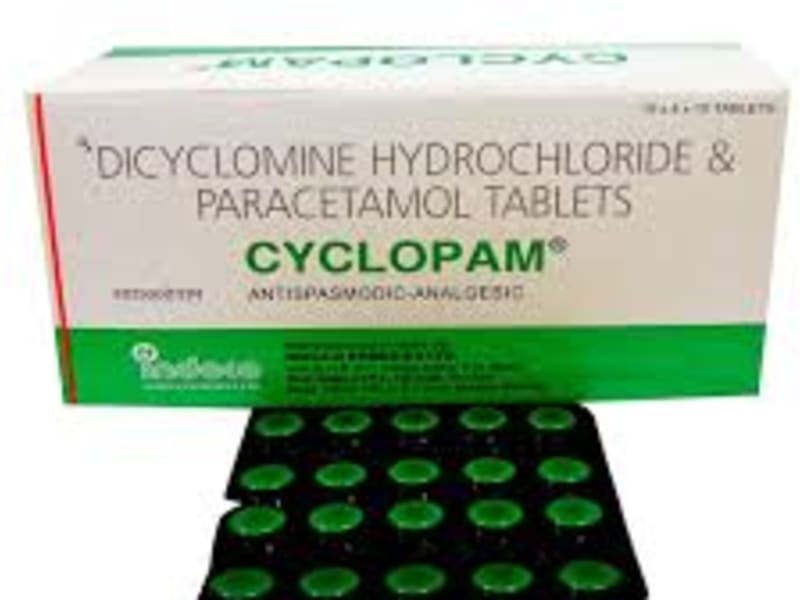
Cyclopam tablet is commonly used for abdominal pain and cramps. This guide explains its uses, benefits, dosage, and safety precautions for effective relief.
April 11, 2026