

Emergency & Help
24/7 Emergency & General Advisory
🚨 24/7 Medical Emergency
Non-Emergency Advisory
10:00 AM – 6:00 PM, Mon–Sat
For appointments & general queries.
24/7 Emergency & General Advisory
🚨 24/7 Medical Emergency
Non-Emergency Advisory
10:00 AM – 6:00 PM, Mon–Sat
For appointments & general queries.
Stay updated with our latest healthcare news and your appointments.
Discover how to manage the costs of oxycodone, explore financial assistance options, and understand factors influencing prescription prices. Learn about generic vs. brand-name drugs and smart saving strategies.

Oxycodone. The very name can bring up a host of questions, especially when it comes to the financial side of things. If you or a loved one has been prescribed this powerful pain medication, you're likely wondering about the cost. It's a valid concern, and one we're here to address. The price you pay for oxycodone isn't a fixed number; it's a dynamic figure influenced by several factors. Think of it like this: your insurance plan, the specific treatment regimen your doctor has outlined, and even the pharmacy you choose can all play a role in the final bill. Sometimes, higher strengths or the allure of brand-name versions can nudge the price up. Let's break down what goes into the cost and, more importantly, explore ways to make it more manageable.
Understanding the basics of generic versus brand-name drugs is a good starting point. Oxycodone, in its most common form, is a generic prescription drug. What does that mean for you? Essentially, a generic drug is a precise replica of the active ingredient found in a brand-name medication. Regulatory bodies ensure that generics are just as safe and effective as their brand-name counterparts. The significant advantage? Generics almost always come with a lower price tag. It's a win-win: you get the same therapeutic benefit without the hefty brand-name premium.
However, it's important to know that some specific formulations of oxycodone are still only available as brand-name drugs. For instance, the immediate-release tablets might appear as Oxaydo or Roxicodone. Then there are the extended-release (ER) versions, designed to release the medication slowly into your system over time. These come as OxyContin (extended-release tablets) and Xtampza ER (extended-release capsules). Unlike some other forms, these particular extended-release versions do not have a generic alternative available. This is where the cost can potentially be higher.
So, what exactly dictates the final price you see at the pharmacy counter? Several elements contribute:
Facing high medication costs can be stressful. Fortunately, there are several strategies you can employ to potentially reduce your long-term expenses for oxycodone:
This is your first and most important step. Always discuss with your doctor whether a generic version of oxycodone is suitable for your condition. If it is, ask them to prescribe the generic. Generic oxycodone is chemically identical to the brand-name versions and offers the same safety and efficacy profile, but at a significantly lower cost.
Many insurance plans partner with mail-order pharmacies. These services often offer a discount, especially for long-term prescriptions. You typically order your medication online or by phone, and it's delivered directly to your home. Important Note: Be aware of state laws regarding the mailing of controlled substances like oxycodone. Ensure your chosen mail-order pharmacy complies with all regulations.
Several organizations and manufacturers offer financial assistance programs for prescription medications. These can significantly lower your out-of-pocket costs. Some notable resources include:
Don't assume all pharmacies charge the same. Use online tools or simply call around to different local pharmacies and even large chain stores to compare prices for your specific oxycodone prescription. Small independent pharmacies might also offer competitive pricing.
You might be tempted to cut tablets in half yourself to stretch your prescription and save money. While cutting *immediate-release* oxycodone tablets might be advised by your doctor in some specific cases, it's generally not recommended. Why? Because cutting a tablet can lead to inaccurate dosing – you might get too much or too little of the active ingredient. If your doctor specifically instructs you to cut an immediate-release tablet, ensure you use a pill splitter for accuracy. Never attempt to cut extended-release formulations, as this will destroy the drug's intended slow-release mechanism and can be dangerous. Always, always, *always* confirm with your doctor or pharmacist before altering a tablet in any way.
Your insurance company can be a valuable resource. They can explain your coverage for oxycodone, clarify co-pays, and inform you about any preferred pharmacies or mail-order options they recommend. Sometimes, they might have a list of step therapy requirements, meaning you might need to try a different, potentially less expensive medication first.
Managing the cost of medication is important, but your health and safety are paramount. Never make changes to your prescription, dosage, or how you take your medication without consulting your healthcare provider. Specifically, reach out if:
Your doctor and pharmacist are your allies in navigating both the medical and financial aspects of your treatment. They can provide personalized advice based on your unique health situation and insurance coverage.
A: Yes, absolutely. Higher strengths generally cost more. Also, brand-name only formulations (like OxyContin or Xtampza ER) will be more expensive than generic oxycodone. Discuss the most cost-effective formulation that is still therapeutically appropriate for you with your doctor.
A: Generally, no, and it's often not recommended unless your doctor specifically instructs you to do so for immediate-release tablets, and you use a pill splitter. Cutting extended-release formulations is dangerous and should never be done. Always seek professional guidance before altering your medication.
A: Generic oxycodone contains the same active ingredient as the brand-name versions, is equally safe and effective, but typically costs much less. Brand-name versions like Roxicodone, Oxaydo, OxyContin, and Xtampza ER may have different inactive ingredients or specific formulations (especially extended-release) that contribute to their higher price.
A: You can explore resources like NeedyMeds, the Medicine Assistance Tool (MAT), and check the websites of the drug manufacturers for potential savings cards or patient assistance programs. Your insurance provider and pharmacist can also offer guidance.
Visit Hospital
Near You

Understand if Indian chemists can legally prescribe medicines. Learn about pharmacist roles and patient safety.
April 22, 2026
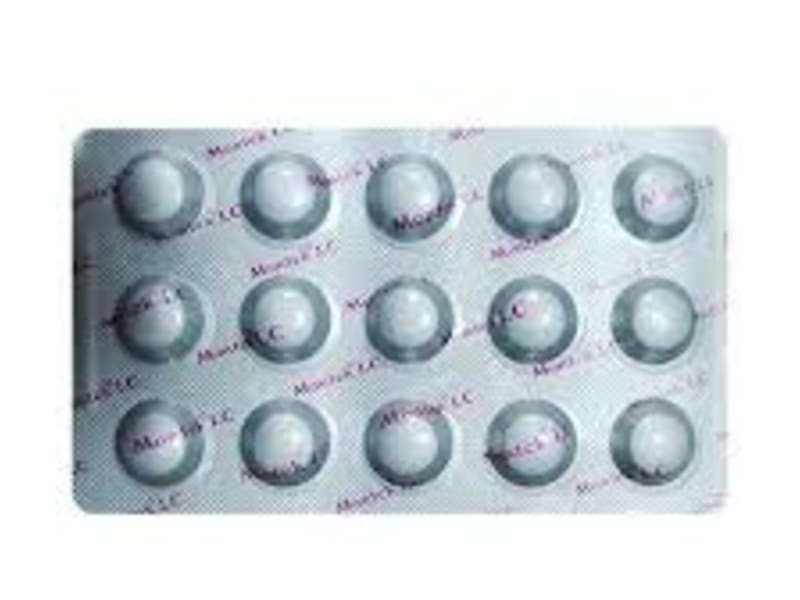
Montek LC tablet is applied in the treatment of allergies and asthma symptoms. This is an instructional manual on the usage, benefits, dosage and precautions to treat it safely and effectively.
April 11, 2026
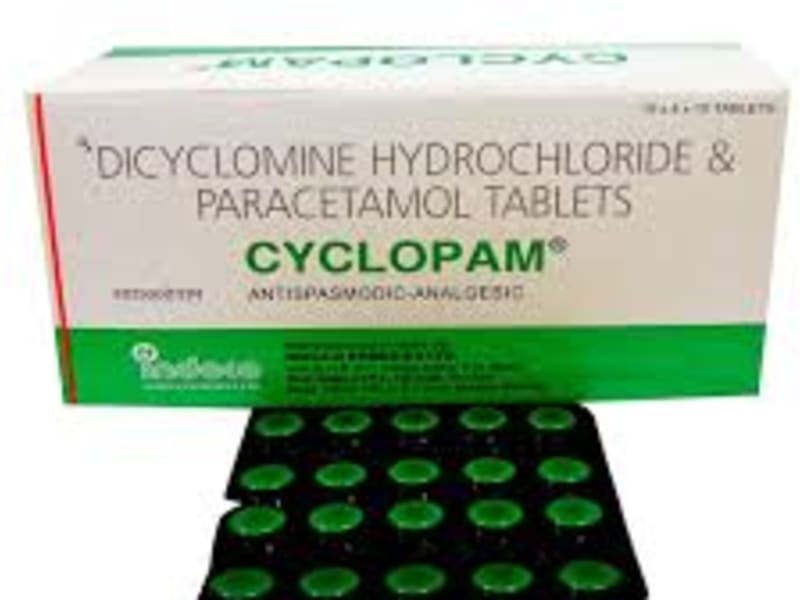
Cyclopam tablet is commonly used for abdominal pain and cramps. This guide explains its uses, benefits, dosage, and safety precautions for effective relief.
April 11, 2026