

Emergency & Help
24/7 Emergency & General Advisory
🚨 24/7 Medical Emergency
Non-Emergency Advisory
10:00 AM – 6:00 PM, Mon–Sat
For appointments & general queries.
24/7 Emergency & General Advisory
🚨 24/7 Medical Emergency
Non-Emergency Advisory
10:00 AM – 6:00 PM, Mon–Sat
For appointments & general queries.
Stay updated with our latest healthcare news and your appointments.
Explore the entourage effect: how CBD, THC, terpenes, and other cannabis compounds work together to enhance therapeutic benefits. Learn about full-spectrum vs. isolate, dosage, and safety.

When people talk about cannabis, two compounds often come to mind: CBD (cannabidiol) and THC (tetrahydrocannabinol). You've likely heard about their individual benefits, but what happens when you take them together? This is where the fascinating concept of the entourage effect comes into play. It's the theory that all the natural compounds found in the cannabis plant, not just CBD and THC, work synergistically to produce a greater therapeutic effect than any single compound alone. Think of it like an orchestra – each instrument plays its part, but it's the combined harmony that creates a beautiful symphony. What is the Entourage Effect? The cannabis plant is a complex botanical marvel, containing over 100 different phytocannabinoids , along with other compounds like terpenes and flavonoids . Phytocannabinoids are the active compounds that interact with your body's endocannabinoid system (ECS) . The ECS is a vital network that helps regulate various bodily functions, aiming to maintain a state of balance, or homeostasis. CBD and THC are the most well-known and researched of these phytocannabinoids. The entourage effect proposes that these compounds don't just act in isolation. Instead, they influence and enhance each other's effects. CBD, for instance, is non-psychoactive and doesn't produce the 'high' associated with THC. However, it can modulate THC's effects, potentially reducing some of the unwanted side effects like anxiety or paranoia that some individuals experience. Terpenes, which give cannabis its distinct aromas, are also believed to play a significant role. Different terpenes may offer their own therapeutic properties, such as anti-inflammatory or neuroprotective benefits, and can potentially enhance the overall efficacy of cannabinoids. Understanding the Key Players: CBD, THC, Terpenes, and Flavonoids Cannabidiol (CBD) CBD is celebrated for its potential therapeutic properties, including its anti-inflammatory, analgesic (pain-relieving), and anti-anxiety effects. Importantly, it does not cause intoxication. Tetrahydrocannabinol (THC) THC is the primary psychoactive compound in cannabis, responsible for the 'high.' It also possesses therapeutic benefits, such as pain relief, appetite stimulation, and nausea reduction. However, its psychoactive nature can be a barrier for some users. Terpenes These aromatic compounds are found in many plants, including cannabis. They are responsible for the diverse scents and flavors of different cannabis strains. Beyond aroma, research suggests terpenes may have their own medicinal properties and can interact with cannabinoids to influence their effects. For example, myrcene may promote relaxation, while limonene is associated with mood elevation. Flavonoids Flavonoids are another group of compounds found in cannabis that contribute to its color and may offer antioxidant and anti-inflammatory benefits. They are thought to work alongside cannabinoids and terpenes. How the Entourage Effect Might Work The theory suggests that the combination of these compounds can lead to a more profound and well-rounded therapeutic outcome compared to using isolated compounds. Here’s how it might play out: Enhanced Efficacy: The presence of multiple cannabinoids and terpenes could amplify the desired effects, meaning a lower dose of the combined product might be as effective as a higher dose of an isolated compound. Reduced Side Effects: CBD's interaction with THC is a key aspect. CBD can bind to the same receptors as THC but in a way that may temper THC's psychoactive intensity, making the experience more comfortable for those sensitive to THC. Broader Therapeutic Range: The synergistic action of various compounds could address a wider range of symptoms or conditions more effectively. For instance, a full-spectrum cannabis product (containing CBD, THC, terpenes, and other compounds) might be better for managing chronic pain than pure CBD or pure THC alone. Real-Life Scenario: Managing Chronic Pain Consider Mrs. Sharma, a 65-year-old homemaker suffering from persistent lower back pain due to arthritis. She tried isolated CBD oil, which offered mild relief but didn't fully address the deep ache and stiffness. Her doctor suggested she try a full-spectrum CBD product that also contains a small amount of THC and various terpenes. After using it consistently, Mrs. Sharma reports a significant improvement in pain management and finds she can move more freely, enjoying her gardening again without constant discomfort. The Science Behind the Theory While the entourage effect is a compelling theory, it's important to acknowledge that scientific research is still evolving. Early studies and anecdotal evidence have been promising. A 2011 review published in the British Journal of Pharmacology explored how phytocannabinoids and terpenes might work together, suggesting potential benefits for various conditions. Some research has indicated that terpenes might interact with cannabinoid receptors (like CB1 and CB2) in ways that influence the overall effects of cannabis. However, not all studies have found definitive evidence supporting the entourage effect. For example, a 2019 study found that terpenes didn't change the way THC interacted with CB1 and CB2 receptors. This highlights the need for more rigorous research to fully understand the complex interactions within the cannabis plant. Despite ongoing research, many experts and users believe the entourage effect is a real phenomenon, contributing to the 'whole plant' approach to cannabis therapy. The idea is that the natural complexity of the plant offers benefits that isolated compounds cannot fully replicate. Navigating CBD and THC Products: What You Need to Know If you're interested in exploring products that leverage the entourage effect, understanding product types is key: Full-Spectrum CBD These products contain CBD along with a broad range of other cannabinoids (including trace amounts of THC, typically less than 0.3%), terpenes, and flavonoids naturally present in the cannabis plant. This formulation is designed to maximize the potential benefits of the entourage effect. It's important to note that even though the THC content is minimal, it could potentially show up on a drug test. Broad-Spectrum CBD Similar to full-spectrum, these products contain CBD and other cannabinoids and terpenes, but the THC has been specifically removed. This offers a middle ground for those who want the synergistic effects without any THC. CBD Isolate This is pure CBD, with all other compounds from the cannabis plant removed. It's a good option if you want to consume only CBD and avoid THC entirely. Dosage and Starting Safely When experimenting with products containing CBD and THC, starting low and going slow is the golden rule. This allows your body to adjust and helps you find the most effective dosage and ratio for your needs. For THC beginners: Start with a very low dose, such as 2.5 mg to 5 mg. For CBD: A common starting point is 5 mg to 15 mg. Listen to your body. If you don't experience the desired effects, gradually increase the dose. It's also wise to keep a journal to track your dosage, the product you used, and the effects you experienced. This can help you identify what works best for you. When to Consult a Healthcare Professional Before you start using any CBD or THC product, especially if you have underlying health conditions or are taking other medications, it is essential to speak with your healthcare provider. They can: Discuss potential drug interactions between cannabis compounds and your current medications. Help you understand if cannabis-based products are appropriate for your specific health goals. Offer guidance on appropriate starting dosages and product types based on your individual needs and medical history. Self-medicating without professional advice can be risky. Your doctor can provide personalized recommendations and ensure your safety. Potential Side Effects to Be Aware Of While generally considered safe, both CBD and THC can cause side effects. Understanding these can help you manage your experience: THC side effects: Can include dry mouth, red eyes, increased heart rate, impaired coordination, anxiety, and sedation. CBD side effects: Are typically mild and may include fatigue, diarrhea, and changes in appetite. The entourage effect may help mitigate some of THC's less desirable effects, but individual reactions vary. The Future of Cannabis Research The entourage effect represents an exciting frontier in cannabis research. As studies continue, we will gain a deeper understanding of how these complex plant compounds interact with our bodies. This knowledge promises to unlock more targeted and effective therapeutic applications for a wide range of health concerns. For now, the theory offers a valuable framework for understanding the potential of whole-plant cannabis medicine. Frequently Asked Questions (FAQ) Q1: Can the entourage effect help me get high? The entourage effect theory suggests that the compounds in cannabis work together to enhance therapeutic benefits. While THC is psychoactive and causes a high, CBD can modulate THC's effects, potentially reducing anxiety. Full-spectrum products contain THC, so they can cause intoxication, but the presence of CBD and other compounds might alter the quality of the experience compared to THC alone. Q2: Are full-spectrum CBD products legal? The legality of full-spectrum CBD products often hinges on their THC content. In many places, products containing less than 0.3% THC are considered hemp-derived and legal under federal law. However, state and local laws can vary significantly, so it's always best to check your local regulations. Q3: Will taking full-spectrum CBD make me fail a drug test? It's possible. Full-spectrum CBD products contain trace amounts of THC (less than 0.3%). While this amount is
In summary, timely diagnosis, evidence-based treatment, and prevention-focused care improve long-term health outcomes.
Visit Hospital
Near You

Understand if Indian chemists can legally prescribe medicines. Learn about pharmacist roles and patient safety.
April 22, 2026

Montek LC tablet is applied in the treatment of allergies and asthma symptoms. This is an instructional manual on the usage, benefits, dosage and precautions to treat it safely and effectively.
April 11, 2026
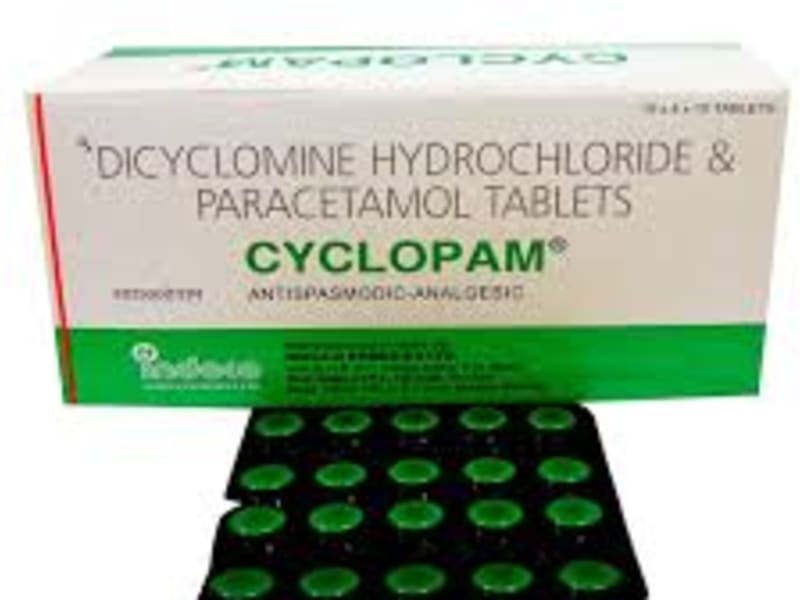
Cyclopam tablet is commonly used for abdominal pain and cramps. This guide explains its uses, benefits, dosage, and safety precautions for effective relief.
April 11, 2026