

Emergency & Help
24/7 Emergency & General Advisory
🚨 24/7 Medical Emergency
Non-Emergency Advisory
10:00 AM – 6:00 PM, Mon–Sat
For appointments & general queries.
24/7 Emergency & General Advisory
🚨 24/7 Medical Emergency
Non-Emergency Advisory
10:00 AM – 6:00 PM, Mon–Sat
For appointments & general queries.
Stay updated with our latest healthcare news and your appointments.
Curious if you can take Tylenol with prednisone? Understand the potential interactions, safety guidelines, and when to speak with your doctor for personalized advice in India.

Navigating the world of medications can feel like a maze, especially when you're dealing with multiple health concerns. You've probably heard of Tylenol (acetaminophen) and prednisone. Tylenol is a household name, a go-to for everyday aches and fevers. Prednisone, on the other hand, is a powerful prescription drug often used for more serious inflammatory conditions. The big question on many minds is: can you safely take Tylenol and prednisone together? Let's break this down in a way that's easy to understand for everyone in India, keeping your health and safety front and centre.
Many people in India rely on over-the-counter (OTC) medications like Tylenol for common ailments. It's estimated that a significant portion of adults use acetaminophen weekly. Prednisone, a corticosteroid, is a prescription powerhouse used to combat inflammation and manage conditions ranging from asthma to autoimmune diseases. When you're prescribed prednisone, or if you're already taking it for a chronic condition, you might wonder if you can still reach for that bottle of Tylenol when a headache strikes or a fever pops up. The good news is, generally speaking, Tylenol and prednisone do not have a known direct interaction with each other. This means that when taken as directed, they are usually considered safe to use concurrently.
Tylenol, with its active ingredient acetaminophen, is a widely used pain reliever and fever reducer. It works by interfering with specific chemical signals in your brain that are responsible for transmitting pain and regulating body temperature. Think of it as a smart signal blocker, helping to ease discomfort and bring down a fever.
What Tylenol is used for:
It's readily available without a prescription in various strengths. However, it's absolutely vital to stick to the recommended dosage. Taking too much acetaminophen can lead to severe liver damage, a serious risk that unfortunately causes deaths each year. While liver damage is rare when the dose is followed correctly, it's a stark reminder of the importance of responsible medication use. Manufacturers have even lowered the maximum daily dose for some Extra Strength Tylenol products to 3,000 mg to enhance safety.
Prednisone is a prescription corticosteroid. It's a potent medication that works by reducing inflammation throughout the body and suppressing the immune system. This makes it incredibly effective for a range of conditions where inflammation or an overactive immune response is the culprit.
Common uses for Prednisone include:
Because it's a powerful drug, prednisone is only available with a doctor's prescription. It comes with its own set of potential side effects, which is why doctors carefully monitor patients using it.
So, back to the main question: is it safe to combine Tylenol and prednisone? The medical consensus is that there's no known direct negative interaction between acetaminophen and prednisone when both are taken at their recommended doses. This is excellent news for individuals who might need both for different health needs.
However, this doesn't mean you can just start mixing medications without a second thought. Here's why caution and consultation are key:
This is where things get a bit more complex, and why talking to your doctor or pharmacist is non-negotiable.
While Tylenol itself is generally safe, it's important to remember that acetaminophen is the active ingredient in many other products. You must check the labels of all medications you take, including cold and flu remedies, other pain relievers, and even some prescription drugs, to avoid accidentally exceeding the safe daily limit of acetaminophen. Taking too much can be dangerous.
Tylenol can also interact with certain classes of drugs, potentially leading to serious complications. These include:
Prednisone, due to its potent effects on the immune system and metabolism, can interact with a wide array of other medications. Some notable examples include:
This list is not exhaustive! It highlights why a professional medical opinion is so important. Your doctor or pharmacist has access to comprehensive drug interaction databases and can assess your specific medication regimen.
It's always a good practice to inform your doctor about all the medications, supplements, and even herbal remedies you are taking. This is especially true when:
Your doctor can provide personalized advice based on your health status, other medications, and the specific condition being treated with prednisone.
Here are some practical tips for managing your medications safely:
Yes, generally you can take Tylenol (acetaminophen) for a fever or mild pain while on prednisone, as there is no known direct interaction. However, it's always best to confirm with your doctor, especially if you have other health conditions or are taking other medications.
The primary risks are not from a direct interaction between Tylenol and prednisone themselves, but rather from potential interactions with other medications you might be taking, or if you exceed the recommended dosage of Tylenol, which can cause liver damage.
The safety of taking them together depends on the duration of your prednisone treatment and your overall health. Prednisone is usually prescribed for a specific period. Your doctor will guide you on the appropriate duration for both medications.
There is no evidence to suggest that prednisone makes Tylenol less effective. Their mechanisms of action are different.
The risk of liver damage comes from taking too much acetaminophen (Tylenol), not from combining it with prednisone. Always adhere strictly to the recommended dosage on the Tylenol packaging or as prescribed by your doctor.
In summary, while Tylenol and prednisone can typically be taken together without direct conflict, responsible medication use and open communication with your healthcare provider are paramount. Your health is a journey, and we're here to help you navigate it with clarity and confidence.
Visit Hospital
Near You

Understand if Indian chemists can legally prescribe medicines. Learn about pharmacist roles and patient safety.
April 22, 2026

Montek LC tablet is applied in the treatment of allergies and asthma symptoms. This is an instructional manual on the usage, benefits, dosage and precautions to treat it safely and effectively.
April 11, 2026
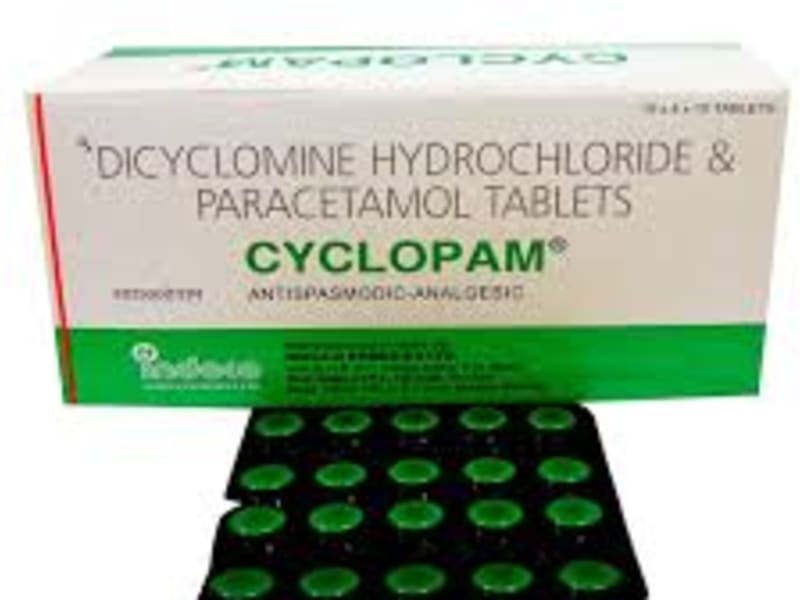
Cyclopam tablet is commonly used for abdominal pain and cramps. This guide explains its uses, benefits, dosage, and safety precautions for effective relief.
April 11, 2026