

Emergency & Help
24/7 Emergency & General Advisory
🚨 24/7 Medical Emergency
Non-Emergency Advisory
10:00 AM – 6:00 PM, Mon–Sat
For appointments & general queries.
24/7 Emergency & General Advisory
🚨 24/7 Medical Emergency
Non-Emergency Advisory
10:00 AM – 6:00 PM, Mon–Sat
For appointments & general queries.
Stay updated with our latest healthcare news and your appointments.
Understand controlled substances in India, their classification under the NDPS Act, associated risks, medical uses, and prevention strategies. Learn when to seek professional help.

What Are Controlled Substances? In India, like in many other countries, certain drugs and substances are classified as 'controlled substances'. This classification is based on their potential for misuse, abuse, and dependence, as well as their recognized medical uses. The primary aim of controlling these substances is to ensure public safety, facilitate their legitimate medical and scientific use, and prevent their diversion for illicit purposes. The Narcotic Drugs and Psychotropic Substances (NDPS) Act, 1985, is the principal legislation in India that governs these substances. This Act categorizes drugs into various groups based on their properties and potential for harm. Understanding the Schedules of Controlled Substances in India The NDPS Act categorizes substances into different schedules, each with specific regulations. While the US uses a 'Schedule' system (Schedule I to V), India's approach under the NDPS Act is slightly different, focusing on the type of drug and its classification. However, the underlying principle of categorizing substances based on their potential for harm and medical utility remains similar. The Act prohibits the production, possession, sale, purchase, transport, and consumption of certain narcotic drugs and psychotropic substances without proper authorization. Key Categories and Their Implications The NDPS Act primarily deals with: Narcotic Drugs: These are drugs derived from or related to opium, coca plant, or cannabis plant. Examples include opium, morphine, codeine, and cannabis (ganja, charas, bhang). Psychotropic Substances: These are substances that affect mental processes, mood, and behavior. Examples include LSD, amphetamines, and certain sedatives. The Act specifies penalties for various offenses related to these substances, which can range from imprisonment to rigorous imprisonment and fines, depending on the quantity of the substance involved and the nature of the offense. Potential Risks Associated with Controlled Substances Controlled substances, by their very nature, carry significant risks, especially when misused or abused. These risks can be: Dependence and Addiction: Many controlled substances have the potential to cause physical and psychological dependence. Regular use can lead to addiction, a chronic relapsing brain disease characterized by compulsive drug seeking and use, despite harmful consequences. Health Problems: Misuse can lead to a wide range of health issues, including organ damage (liver, kidneys, heart), respiratory problems, neurological disorders, and mental health issues like psychosis and severe depression. Overdose: High doses of many controlled substances can lead to overdose, which can be fatal. Symptoms can include slowed breathing, loss of consciousness, and cardiac arrest. Social and Economic Consequences: Addiction and legal issues related to controlled substances can lead to job loss, financial instability, strained relationships, and involvement in criminal activities. Medical Use of Controlled Substances It is crucial to understand that not all controlled substances are illicit. Many are essential medicines used to manage severe pain, anxiety, sleep disorders, and other medical conditions. When prescribed by a qualified healthcare professional and used under strict medical supervision, these substances can be highly beneficial. For instance: Opioids (like Morphine, Codeine): Used for managing severe pain, especially post-surgery or in cases of chronic pain conditions. Sedatives and Hypnotics (like Benzodiazepines): Used for treating anxiety disorders, insomnia, and seizures. Stimulants (like Amphetamines): Used in the management of ADHD and narcolepsy. The key is that their use is regulated. Doctors must adhere to strict guidelines for prescribing and dispensing these medications, and patients must use them exactly as directed to minimize risks. Diagnosis and Monitoring Diagnosing the misuse or abuse of controlled substances often involves: Medical History and Physical Examination: Doctors will inquire about substance use and look for physical signs of drug abuse. Urine Drug Tests: These tests can detect the presence of various controlled substances in the body. Blood Tests: Can also be used to detect certain substances and assess their levels. Psychological Evaluation: To assess mental health status and the extent of addiction. Monitoring is also critical for patients prescribed controlled substances for legitimate medical reasons. Regular check-ups, prescription drug monitoring programs, and urine tests can help ensure the medication is being used as intended and not being diverted or abused. Treatment for Substance Abuse If someone is struggling with the misuse or addiction to controlled substances, effective treatment options are available: Detoxification: Medically supervised withdrawal to manage the physical symptoms of stopping the drug. Behavioral Therapies: Including counseling, cognitive-behavioral therapy (CBT), and motivational interviewing to address psychological aspects of addiction and develop coping strategies. Medication-Assisted Treatment (MAT): For certain substances, medications can help reduce cravings and withdrawal symptoms, making recovery more manageable. Support Groups: Peer support groups like Narcotics Anonymous (NA) can provide a strong support network during and after treatment. Prevention Strategies Preventing the misuse of controlled substances involves a multi-faceted approach: Education: Raising awareness about the risks associated with controlled substances among the public, especially young people. Responsible Prescribing: Healthcare professionals must exercise caution and follow guidelines when prescribing controlled medications. Secure Storage: Keeping prescription medications, especially controlled ones, securely stored at home to prevent diversion. Proper Disposal: Safely disposing of unused or expired medications to prevent them from falling into the wrong hands. Many pharmacies and local authorities offer drug take-back programs. Awareness of Legal Frameworks: Understanding the laws and regulations surrounding controlled substances in India is crucial for both individuals and healthcare providers. When to Consult a Doctor It is essential to consult a doctor or a qualified healthcare professional in the following situations: If you are prescribed a controlled substance and have concerns about its use, side effects, or potential for addiction. If you suspect
In summary, timely diagnosis, evidence-based treatment, and prevention-focused care improve long-term health outcomes.
Visit Hospital
Near You

Understand if Indian chemists can legally prescribe medicines. Learn about pharmacist roles and patient safety.
April 22, 2026
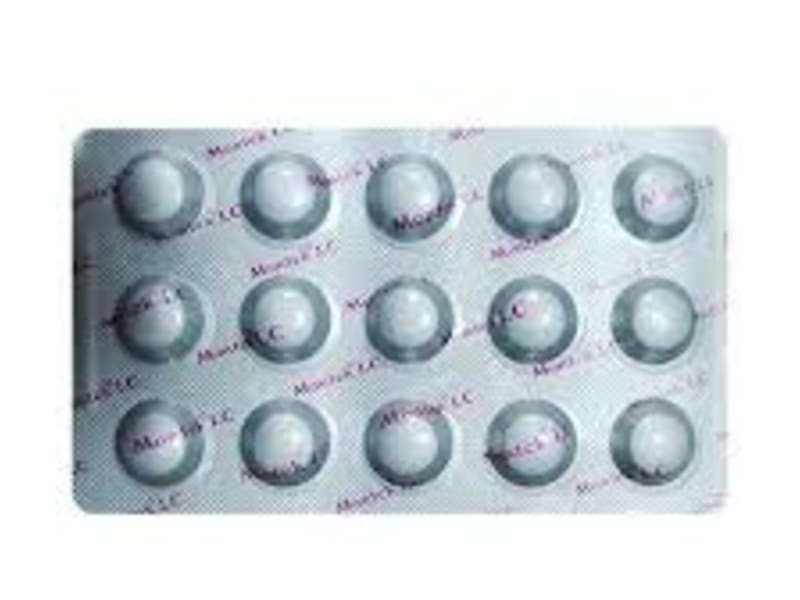
Montek LC tablet is applied in the treatment of allergies and asthma symptoms. This is an instructional manual on the usage, benefits, dosage and precautions to treat it safely and effectively.
April 11, 2026
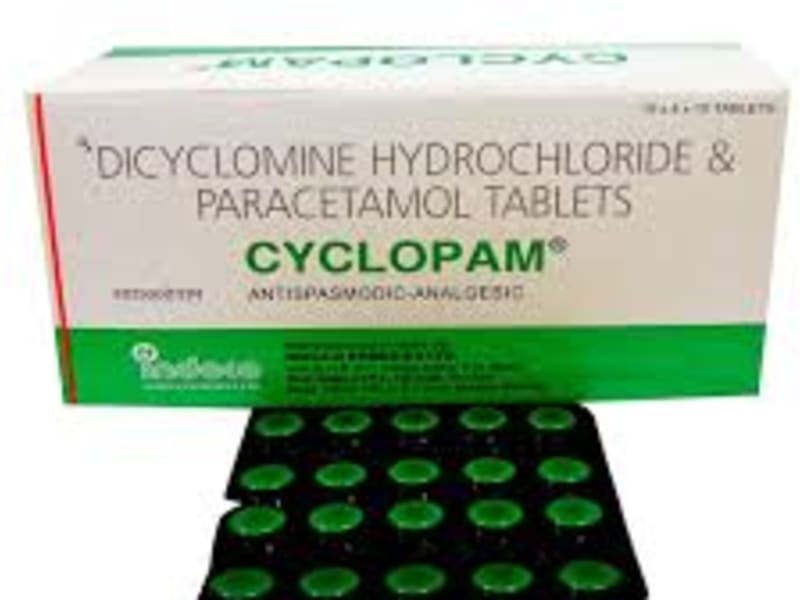
Cyclopam tablet is commonly used for abdominal pain and cramps. This guide explains its uses, benefits, dosage, and safety precautions for effective relief.
April 11, 2026