

Emergency & Help
24/7 Emergency & General Advisory
🚨 24/7 Medical Emergency
Non-Emergency Advisory
10:00 AM – 6:00 PM, Mon–Sat
For appointments & general queries.
24/7 Emergency & General Advisory
🚨 24/7 Medical Emergency
Non-Emergency Advisory
10:00 AM – 6:00 PM, Mon–Sat
For appointments & general queries.
Stay updated with our latest healthcare news and your appointments.
Explore the cost of Gazyva (Obinutuzumab), a crucial treatment for CLL and follicular lymphoma. Learn about factors influencing its price, insurance coverage, and various patient assistance programs to help manage treatment expenses.

Receiving a diagnosis of chronic lymphocytic leukemia (CLL) or follicular lymphoma (FL) can be overwhelming, and the path to treatment often involves complex decisions. For many patients, Gazyva (obinutuzumab) emerges as a vital therapeutic option. Gazyva is a targeted therapy designed to fight certain types of blood cancers, offering hope and improved outcomes. However, like many advanced biologic medications, its cost can be a significant concern for patients and their families. Understanding the various factors that influence the price of Gazyva, exploring potential financial assistance programs, and navigating insurance coverage are crucial steps in managing the economic burden of treatment. This comprehensive guide aims to shed light on the intricacies of Gazyva's cost, empowering patients with the knowledge to make informed decisions and access the support they need.
Gazyva, manufactured by Genentech, is a prescription medication administered intravenously (into a vein) by a healthcare professional. It is approved by regulatory bodies like the U.S. Food and Drug Administration (FDA) for specific indications, primarily in combination with other chemotherapy agents or as monotherapy in certain settings. Its efficacy in treating CLL and FL has made it a cornerstone of modern oncology, but its innovative nature often translates into a high price tag. This article will delve into what Gazyva is, the conditions it treats, the multitude of factors that contribute to its overall cost, and practical strategies for mitigating these expenses.
Gazyva, with the generic name obinutuzumab, is a monoclonal antibody that belongs to a class of drugs known as CD20-directed cytolytic antibodies. It works by targeting the CD20 protein found on the surface of B-cells, a type of white blood cell. In cancers like CLL and FL, B-cells grow uncontrollably, leading to the disease. By binding to CD20, Gazyva helps to destroy these cancerous B-cells, either directly or by signaling the body's immune system to attack them. This targeted approach makes Gazyva an effective treatment, often used in combination with chemotherapy or as a maintenance therapy.
Gazyva's mechanism of action involves several pathways:
These combined actions make Gazyva a potent weapon against B-cell malignancies, distinguishing it from older CD20 antibodies like rituximab through its enhanced ability to induce ADCC and direct cell death.
Gazyva is approved for the treatment of two primary types of B-cell non-Hodgkin lymphoma:
CLL is a slow-growing cancer of the blood and bone marrow that affects lymphocytes, a type of white blood cell. Gazyva is indicated for the treatment of previously untreated CLL in combination with chlorambucil, for patients with coexisting medical conditions that make full-dose fludarabine-based therapy unsuitable. It is also approved for patients with relapsed or refractory CLL in combination with bendamustine, or as monotherapy for maintenance treatment.
FL is a slow-growing type of non-Hodgkin lymphoma that develops from B-lymphocytes. Gazyva is approved for patients with previously untreated follicular lymphoma in combination with chemotherapy, followed by Gazyva monotherapy as maintenance treatment in patients who achieved at least a partial response. It is also indicated for patients with follicular lymphoma that did not respond to or came back after treatment with rituximab-containing regimens.
The specific regimen, dosage, and duration of Gazyva treatment depend on the patient's individual condition, previous treatments, and overall health, all of which significantly impact the total cost.
The price of Gazyva, like many complex biologic drugs, is not a single, fixed number. It is influenced by a multitude of factors, making it challenging to predict the exact out-of-pocket expenses without a detailed understanding of a patient's specific circumstances. These factors include:
Gazyva is a brand-name biologic drug manufactured by Genentech, a member of the Roche Group. The pharmaceutical industry's pricing strategies for innovative drugs often reflect the extensive research and development costs, clinical trials, and regulatory approval processes. Biologics, in particular, are complex to manufacture, involving living cells, which contributes to their higher production costs compared to traditional small-molecule drugs. The lack of direct generic equivalents (though biosimilars exist for some biologics, Gazyva currently does not have an approved biosimilar) also limits price competition.
The total cost of Gazyva is directly proportional to the amount of drug needed and the length of treatment. Gazyva is typically administered in cycles, with specific doses per infusion. For instance, a common regimen for CLL might involve an initial dose followed by weekly infusions for a period, then monthly infusions. For FL, maintenance therapy can extend for two years. Higher doses, more frequent infusions, or longer treatment durations will naturally lead to a higher overall cost. The prescribed dosage is determined by the patient's body surface area and the specific indication.
The cost of Gazyva can vary significantly depending on the country, region, and even the specific healthcare facility where it is administered. Different countries have varying drug pricing regulations, reimbursement policies, and healthcare infrastructure. Within a country, hospital systems, outpatient infusion centers, and specialty pharmacies may have different pricing structures and administrative fees. For example, the cost of Gazyva in the United States is typically higher than in many European countries or Canada due to different healthcare funding models and drug price negotiation policies.
This is perhaps the most critical factor for individual patients. The extent to which a patient's health insurance covers Gazyva will profoundly impact their out-of-pocket expenses. Coverage can vary widely based on:
The cost of Gazyva is not just the drug itself. It also includes the fees associated with its preparation and administration. Since Gazyva is an intravenous infusion, it must be prepared by a pharmacist and administered by trained healthcare professionals (nurses or doctors) in a hospital, clinic, or specialized infusion center. These administration fees, which cover the facility, staff, supplies, and monitoring during the infusion, can add substantially to the overall cost. Additionally, the pharmacy that procures and dispenses the drug may apply its own markup.
While not a factor in the base price of the drug, the availability of patient assistance programs (PAPs) and other financial aid can significantly reduce a patient's out-of-pocket costs. These programs, often sponsored by manufacturers, non-profit organizations, or government entities, are designed to help eligible patients afford their medication. They can provide free drug, copay assistance, or other forms of financial support.
Treatment with Gazyva often involves other associated costs. These can include:
These indirect costs, while not directly part of the drug's price, contribute to the total financial burden of Gazyva treatment.
To provide a clearer picture, let's consider the various components that make up the total cost of a Gazyva treatment course. It's important to note that these figures are generalized and can vary widely based on the factors discussed above. A single dose of Gazyva is typically supplied in a 1,000 mg/40 mL single-dose vial.
The wholesale acquisition cost (WAC) for a single 1,000 mg vial of Gazyva in the U.S. can range from tens of thousands of dollars. For illustrative purposes, if one vial costs approximately $15,000 to $20,000, and a patient requires multiple vials over a treatment course, the drug cost alone quickly escalates.
A full course of Gazyva treatment, especially for conditions like follicular lymphoma requiring maintenance therapy for two years, can involve numerous infusions. For example, an initial treatment phase might require 6-8 infusions, followed by monthly maintenance infusions. If a patient receives 6 cycles of induction therapy and then 2 years of maintenance (12 infusions per year, so 24 maintenance infusions), the total number of infusions could be around 30. Multiplying the cost per vial by the number of vials needed for each infusion and the total number of infusions can lead to a staggering sum, potentially ranging from hundreds of thousands to over a million dollars over the entire treatment duration without insurance or assistance.
In addition to the drug itself, administration costs are a significant component. These include:
These costs can add several hundred to several thousand dollars to each infusion session, depending on the setting (e.g., hospital outpatient department vs. freestanding infusion clinic).
As mentioned, pre-medications (e.g., antihistamines, acetaminophen, corticosteroids) to manage infusion reactions, laboratory tests to monitor blood counts and kidney function, and follow-up doctor visits all contribute to the overall expenditure. While individually less expensive than the drug or administration, they accumulate over a long treatment period.
Understand if Indian chemists can legally prescribe medicines. Learn about pharmacist roles and patient safety.
April 22, 2026
Montek LC tablet is applied in the treatment of allergies and asthma symptoms. This is an instructional manual on the usage, benefits, dosage and precautions to treat it safely and effectively.
April 11, 2026
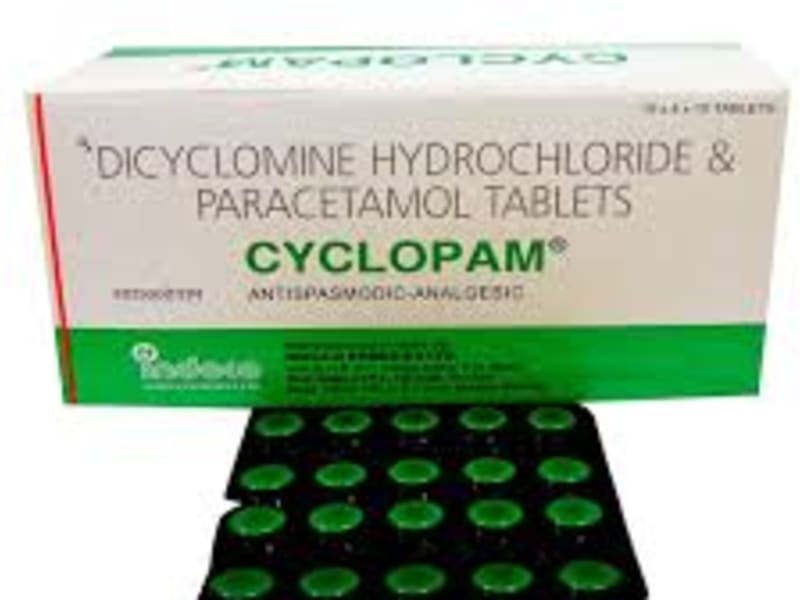
Cyclopam tablet is commonly used for abdominal pain and cramps. This guide explains its uses, benefits, dosage, and safety precautions for effective relief.
April 11, 2026