

Emergency & Help
24/7 Emergency & General Advisory
🚨 24/7 Medical Emergency
Non-Emergency Advisory
10:00 AM – 6:00 PM, Mon–Sat
For appointments & general queries.
24/7 Emergency & General Advisory
🚨 24/7 Medical Emergency
Non-Emergency Advisory
10:00 AM – 6:00 PM, Mon–Sat
For appointments & general queries.
Stay updated with our latest healthcare news and your appointments.
Explore how Medicare covers Opdivo (nivolumab), an advanced immunotherapy treatment for cancer. Understand Part B coverage, costs, and other important factors for patients.

For individuals battling advanced lung cancer or other forms of cancer that haven't responded to traditional treatments, immunotherapy has emerged as a beacon of hope. Opdivo, also known by its generic name nivolumab, is one such powerful immunotherapy drug. Approved by the FDA in 2015, it has since become a vital treatment option. However, for many patients, especially those navigating the complexities of healthcare costs, a primary concern is 'Will my insurance cover this?' This article aims to clarify how Medicare, a widely recognized health insurance system, covers Opdivo, providing insights relevant to patients in India who may be exploring similar coverage options or understanding the principles of advanced cancer treatment funding.
Opdivo is a type of immunotherapy, a treatment that harnesses the power of your own immune system to fight cancer. It works by targeting a specific protein called PD-1 (programmed cell death protein 1). Many cancer cells produce proteins that act as a shield, preventing your immune system's T-cells from recognizing and attacking them. Opdivo blocks the PD-1 pathway, essentially removing this shield and allowing your T-cells to identify and destroy cancer cells more effectively. This approach has shown significant promise in treating various cancers, including advanced non-small cell lung cancer, melanoma, and kidney cancer, among others.
Medicare is a health insurance program that plays a significant role in covering treatments for eligible individuals. When it comes to Opdivo, understanding which parts of Medicare are involved is key to managing costs.
The majority of Opdivo treatments are administered as intravenous infusions. These infusions are typically given at an outpatient treatment center or a doctor's office. This is where Medicare Part B comes into play. Part B is designed to cover medically necessary outpatient services, including physician visits, preventive services, and outpatient treatments like chemotherapy and immunotherapy infusions.
If you have Original Medicare (Part A and Part B), Opdivo administered as an outpatient infusion is generally covered under Part B. However, it's important to understand the cost implications. After you meet your annual Part B deductible, you will typically be responsible for a 20% coinsurance for the cost of the Opdivo infusion. This means that for each infusion, you'll pay one-fifth of the cost, while Medicare covers the remaining 80%.
Example Scenario: Imagine you receive an Opdivo infusion that costs ₹5,00,000. After meeting your deductible, if your coinsurance is 20%, you would pay ₹1,00,000 for that single infusion. This highlights why understanding your coverage and potential out-of-pocket expenses is so critical.
Medicare Part A primarily covers inpatient hospital stays. If you are admitted to the hospital for cancer treatment that includes Opdivo, or if Opdivo is administered to you while you are an inpatient, Part A would be the relevant coverage. This typically includes medications given during a hospital stay.
Medicare Part C, also known as Medicare Advantage, is an alternative to Original Medicare offered by private insurance companies approved by Medicare. These plans must provide at least the same level of coverage as Original Medicare (Parts A and B). This means that if you have a Medicare Advantage plan, your coverage for Opdivo infusions will be at least equivalent to what Original Medicare offers.
However, the specific costs, such as copayments and deductibles, can vary significantly between different Medicare Advantage plans. A key benefit of many Part C plans is the annual out-of-pocket maximum. This feature protects beneficiaries by capping the total amount they have to pay for covered healthcare services in a year. For 2025, this maximum is set at $9,350, but many plans offer lower limits.
Medicare Part D is the part of Medicare that covers prescription drugs. It is primarily for medications you take at home, such as oral chemotherapy drugs or medications to manage side effects like nausea or pain. Since Opdivo is administered intravenously via infusion and is not typically taken orally at home, it is not covered by Medicare Part D.
Medigap plans, also known as Medicare Supplement Insurance, can be a valuable addition for those with Original Medicare. These plans are sold by private companies and help pay for some of the healthcare costs that Original Medicare doesn't cover, such as your Part A and Part B deductibles, coinsurance, and copayments. If you have Original Medicare and are paying the 20% coinsurance for Opdivo infusions, a Medigap plan could significantly reduce your out-of-pocket expenses.
Opdivo is a specialty medication, and its cost can be substantial. Depending on the dosage and the length of your treatment plan, each infusion can range from approximately ₹5,00,000 to over ₹7,63,500. This is where insurance coverage becomes indispensable.
With Medicare coverage, many patients find their out-of-pocket costs are significantly reduced. The manufacturer reports that over 60% of individuals with insurance coverage, including Medicare, pay substantially less than the full price – often a quarter of the cost or even less. For those with Original Medicare, out-of-pocket expenses per infusion might range from 0% to 20% of the cost, after meeting the Part B deductible. This translates to potentially paying between ₹0 and ₹1,52,700 per infusion, depending on your specific plan and dosage.
Age Restriction: Opdivo is approved for adult use only. Its safety and effectiveness have not been established in individuals under the age of 18.
Treatment Schedule: The frequency of Opdivo infusions can vary. Many patients receive infusions every two weeks for about a month, but this is determined by your oncologist based on your specific cancer type, stage, and response to treatment.
Consult Your Healthcare Provider: The most critical step is to discuss your treatment plan and insurance coverage with your oncologist and your insurance provider. They can help you understand precisely what your plan covers, what your estimated out-of-pocket costs will be, and what financial assistance programs might be available.
Manufacturer Support: If you do not have Medicare or other insurance, or if you face significant out-of-pocket expenses, you can contact the Opdivo manufacturer directly. They often provide information on patient assistance programs, savings cards, or other financial support options. The contact number is typically available on the drug's official website.
If you have been diagnosed with a condition for which Opdivo is a potential treatment, or if you are considering immunotherapy, it is essential to consult with an oncologist. They will assess your individual situation, discuss the benefits and risks of the treatment, and guide you through the treatment process. Always speak with your doctor about any questions or concerns regarding your diagnosis, treatment options, and associated costs.
A1: Medicare covers a wide range of cancer treatments, including chemotherapy, radiation therapy, and surgeries, as long as they are deemed medically necessary. Coverage for specific drugs like Opdivo depends on how they are administered and which part of Medicare applies.
A2: No, Opdivo is an intravenous infusion that must be administered by a healthcare professional in a clinical setting, such as a hospital outpatient department or a specialized cancer treatment center. It is not a medication that can be taken at home.
A3: Medicare Advantage plans can have different copayments, deductibles, and coinsurance amounts than Original Medicare. However, they must offer at least the same benefits. It is crucial to review your specific plan's Summary of Benefits to understand your exact costs for Opdivo infusions.
A4: Yes, if you have high out-of-pocket costs, you can explore options like manufacturer-sponsored patient assistance programs, non-profit foundations that offer financial aid for cancer patients, and state-specific programs. Your oncologist's office can often help you navigate these resources.
Visit Hospital
Near You

Understand if Indian chemists can legally prescribe medicines. Learn about pharmacist roles and patient safety.
April 22, 2026

Montek LC tablet is applied in the treatment of allergies and asthma symptoms. This is an instructional manual on the usage, benefits, dosage and precautions to treat it safely and effectively.
April 11, 2026
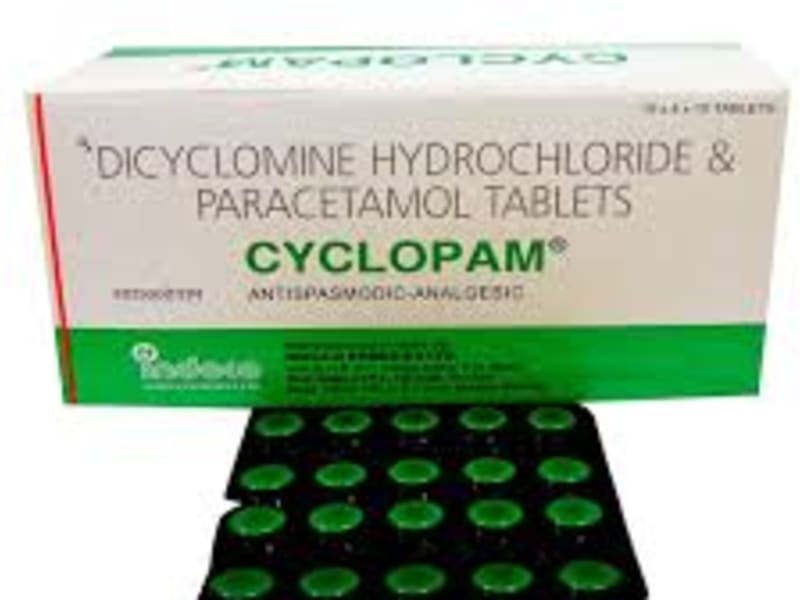
Cyclopam tablet is commonly used for abdominal pain and cramps. This guide explains its uses, benefits, dosage, and safety precautions for effective relief.
April 11, 2026