

Emergency & Help
24/7 Emergency & General Advisory
🚨 24/7 Medical Emergency
Non-Emergency Advisory
10:00 AM – 6:00 PM, Mon–Sat
For appointments & general queries.
24/7 Emergency & General Advisory
🚨 24/7 Medical Emergency
Non-Emergency Advisory
10:00 AM – 6:00 PM, Mon–Sat
For appointments & general queries.
Stay updated with our latest healthcare news and your appointments.
Understand the Medicare donut hole, its history, and how the new $2,000 out-of-pocket spending cap and monthly payment options in 2025 offer more predictable and affordable prescription drug coverage.

Navigating Medicare prescription drug coverage can feel like a maze, and for years, a significant point of confusion was the infamous 'donut hole.' You might have heard seniors talk about falling into it. But what exactly was this donut hole, and more importantly, what does it mean for your medication costs now? The good news is, the donut hole as it was known is no longer a concern for most Medicare beneficiaries. Let's break down what this change means for you and how your prescription drug costs are managed today.
The 'donut hole,' officially known as the coverage gap, was a phase within Medicare Part D prescription drug plans. It represented a period where your coverage for medications significantly changed, and you often had to pay a much larger portion of the drug's cost out-of-pocket. Imagine your drug plan's coverage as a journey. You start with your plan covering a substantial amount, then you hit a limit, and suddenly, you're in the donut hole, paying more yourself. After spending a certain amount more, you would eventually exit the donut hole and re-enter a phase of catastrophic coverage, where your out-of-pocket costs would decrease again.
This gap caused considerable financial strain for many, as prescription drug expenses can be substantial, especially for those managing chronic conditions. The unpredictability of costs within the donut hole made budgeting for healthcare a challenge.
Before 2025, the donut hole operated in distinct phases:
Why did it go away? The Inflation Reduction Act of 2022 brought significant changes to Medicare Part D, with key provisions taking effect in 2025. The primary goal was to make prescription drugs more affordable and predictable for beneficiaries. The act effectively eliminated the donut hole by introducing a new, lower out-of-pocket spending cap.
Starting in 2025, the donut hole is effectively gone. Instead of a coverage gap with fluctuating costs, there's a new out-of-pocket spending cap. This cap is set at $2,000 per year. Once you reach this $2,000 out-of-pocket limit for your covered prescription drugs, you won't pay anything more for those drugs for the rest of the year. This is a monumental shift designed to provide much greater cost certainty.
Furthermore, the new law introduces an option for beneficiaries to pay their prescription drug costs in monthly installments. This means you can spread the cost of your medications over the year, capped at $2,000 annually, rather than facing potentially large bills at the pharmacy counter. This installment option is a game-changer for many seniors who struggle with unpredictable healthcare expenses.
Key changes in 2025:
Under the new system, your Part D plan will still have a deductible and an initial coverage phase. However, once you reach your $2,000 out-of-pocket maximum, your responsibility for drug costs for the year ends. Any costs your plan pays after you've met your $2,000 cap will be considered catastrophic coverage, but you won't pay anything further.
Think of it this way: You pay for your medications as usual, with your plan contributing. As your personal spending on drugs accumulates, you'll track it towards the $2,000 cap. Once you hit that $2,000 mark, your Medicare Part D plan covers the rest of your covered prescription drug costs for the remainder of the year, at no additional cost to you. This structure provides a much more predictable and affordable experience.
Several types of costs count towards your $2,000 out-of-pocket spending cap in 2025:
Importantly, payments made by the Medicare Extra Help program, which assists low-income individuals with prescription drug costs, also count towards this cap. This ensures that even those receiving assistance benefit from the new out-of-pocket maximum.
Consider Mrs. Sharma, a 70-year-old retiree living in Delhi. She manages her diabetes and high blood pressure with several daily medications. In previous years, she would dread the months after hitting her initial coverage limit, as her copays for her essential medicines would jump significantly, making it hard to afford them alongside her other living expenses. She often had to ration her pills or skip doses, which worried her doctors. Now, with the $2,000 out-of-pocket cap and the option to pay monthly, she feels a sense of relief. She knows her medication costs won't exceed a predictable amount, and she can spread payments, making her monthly budget much more stable.
While the donut hole is gone, understanding your specific Medicare Part D plan details is still essential. Here’s when to seek advice:
Yes, the coverage gap, or donut hole, as it was structured in previous years, is eliminated starting in 2025 due to the Inflation Reduction Act. It is replaced by a new $2,000 out-of-pocket spending cap.
Once your out-of-pocket spending on covered prescription drugs reaches $2,000 in 2025, you will not have to pay any more for those drugs for the rest of the year. Your Medicare Part D plan will cover the remaining costs.
Yes, starting in 2025, Medicare Part D plans must offer beneficiaries the option to pay for their prescription drugs in capped monthly installments, making costs more manageable throughout the year.
No, the $2,000 out-of-pocket cap specifically applies to your prescription drug costs covered under Medicare Part D. It does not include other medical expenses like doctor visits or hospital stays, which are covered under other parts of Medicare (like Part B).
You can use the official Medicare website (Medicare.gov) to compare different Part D plans available in your area. Consider the plan's deductible, copayments, coinsurance, and formulary (list of covered drugs) to find the one that best suits your medication needs and budget. Consulting with your doctor or a SHIP (State Health Insurance Assistance Program) counselor can also provide valuable guidance.
Visit Hospital
Near You

Understand if Indian chemists can legally prescribe medicines. Learn about pharmacist roles and patient safety.
April 22, 2026
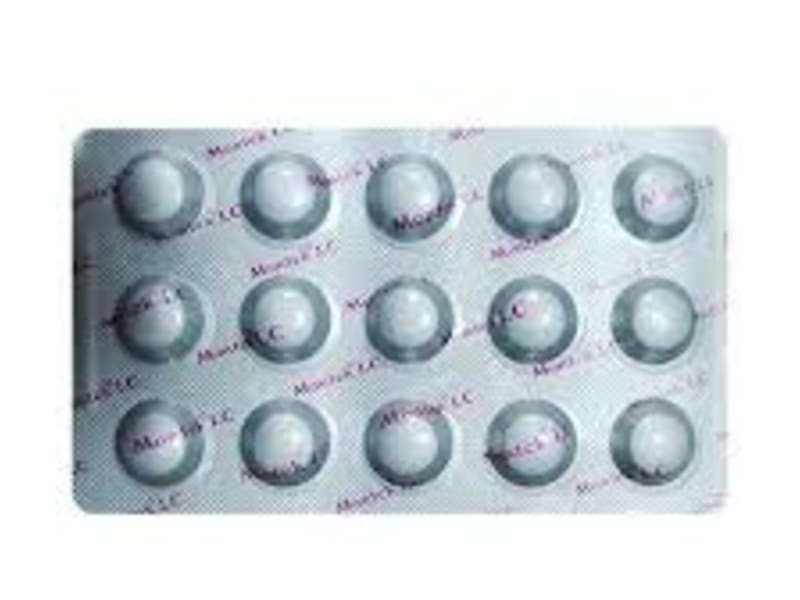
Montek LC tablet is applied in the treatment of allergies and asthma symptoms. This is an instructional manual on the usage, benefits, dosage and precautions to treat it safely and effectively.
April 11, 2026
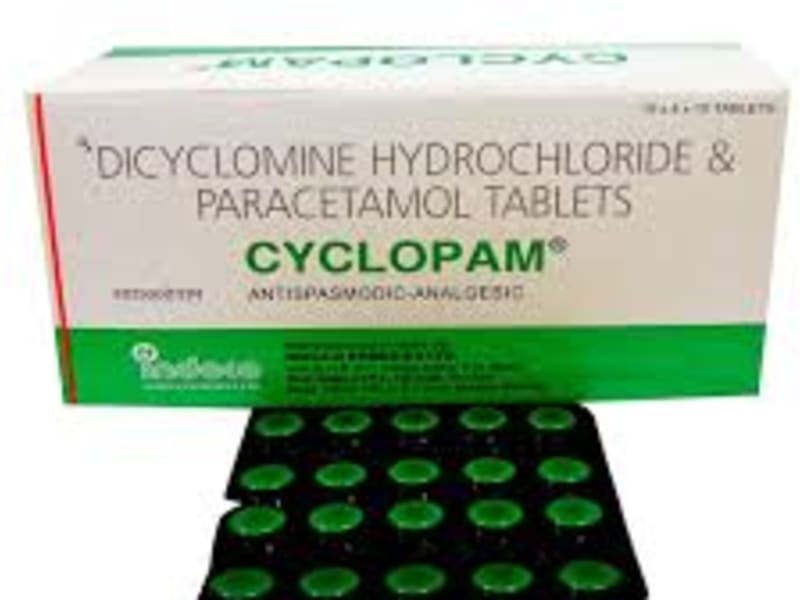
Cyclopam tablet is commonly used for abdominal pain and cramps. This guide explains its uses, benefits, dosage, and safety precautions for effective relief.
April 11, 2026