

Emergency & Help
24/7 Emergency & General Advisory
🚨 24/7 Medical Emergency
Non-Emergency Advisory
10:00 AM – 6:00 PM, Mon–Sat
For appointments & general queries.
24/7 Emergency & General Advisory
🚨 24/7 Medical Emergency
Non-Emergency Advisory
10:00 AM – 6:00 PM, Mon–Sat
For appointments & general queries.
Stay updated with our latest healthcare news and your appointments.
Learn how to understand your Medicare drug list (formulary), including drug tiers, cost-saving strategies, recent benefits, and how to choose the best Part D plan for your needs.

Navigating the world of Medicare prescription drug coverage can feel like deciphering a secret code. But understanding your Medicare drug list, also known as a formulary, is key to managing your health and your budget. Think of the formulary as your plan's approved shopping list for medications. It details exactly which prescription drugs – both brand-name and generic – your specific Medicare Part D plan covers.
Your health is paramount, and having access to the medications you need is non-negotiable. A formulary helps you know what's covered, what's not, and what your out-of-pocket costs might be. This transparency empowers you to make informed decisions about your healthcare. It's not just about knowing what your plan covers today; it's also about anticipating changes and understanding how your plan works to keep costs manageable.
Before diving into the formulary, let's briefly touch upon Medicare Part D. This is a part of Medicare that specifically helps cover the cost of prescription drugs. It's offered by private insurance companies that have been approved by Medicare. These plans develop their own drug lists, or formularies, based on various factors, including the most commonly prescribed medications.
Medicare drug plans organize covered medications into tiers. These tiers are essentially cost levels. The goal is to encourage the use of lower-cost medications, which often means generics. Here's a general breakdown:
The exact number of tiers and the drugs within them can vary significantly from one plan to another. This is why comparing formularies is so important.
Medicare has specific rules to ensure beneficiaries have access to essential medications. One of the most important is the requirement that all Medicare drug plans must cover six certain “protected classes” of medication. These classes are considered vital for managing common and serious health conditions. While the drugs within these classes are covered, you might still see differences in:
Prior authorization means your doctor needs to get approval from your plan before it will cover certain medications. This is often required for high-cost drugs or those that have less expensive alternatives.
Formularies are a primary tool Medicare plans use to manage prescription drug spending. They do this in several ways:
A Real-Life Scenario: Imagine Mrs. Sharma, who has been taking a specific brand-name blood pressure medication for years. When she compares Medicare Part D plans, she notices that Plan A covers her medication but at a high Tier 3 copay. However, Plan B covers a generic version of her medication at a Tier 1 copay. She discusses this with her doctor, who confirms the generic is equivalent. By choosing Plan B, Mrs. Sharma could significantly reduce her monthly medication expenses.
A significant new prescription drug law took effect on January 1, 2023, bringing substantial improvements for Medicare beneficiaries. These changes aim to make medications more affordable and accessible.
These changes represent a major step forward in ensuring that Medicare beneficiaries can afford the medications they need.
Selecting a Medicare Part D plan involves more than just looking at the monthly premium. Here's what you should consider when comparing plans and their formularies:
You have several resources to help you find and compare Medicare drug plans and their formularies:
It's important to know that Medicare drug plans can change their covered medications, including their formularies, during the year. However, they must follow strict Medicare guidelines. If a change will affect your current medications, the plan is required to provide you with written notice at least 30 days before the change takes effect. They must also offer you a 30-day supply of the original medication at the previous cost. This notice period gives you time to discuss alternatives with your doctor or explore other plan options.
A formulary is a list of prescription drugs that a Medicare Part D plan covers. It details which medications are covered, their cost tiers, and any specific requirements for coverage.
No, formularies vary significantly from one Medicare Part D plan to another. Each plan creates its own list of covered drugs.
You can check your plan's formulary directly on Medicare.gov's Plan Finder tool, by contacting the plan provider, or by speaking with your State Health Insurance Assistance Program (SHIP).
Drug tiers are cost levels used by Medicare Part D plans. Medications are placed in tiers based on their cost, with generics typically in the lowest, most affordable tiers.
While plans can change their formularies, they must notify you in advance if a change will affect your current medications, giving you time to adjust.
Understanding your Medicare drug list is a vital part of managing your health effectively and affordably. By taking the time to compare plans and understand your formulary, you can ensure you have access to the medications you need without breaking the bank.
Visit Hospital
Near You

Understand if Indian chemists can legally prescribe medicines. Learn about pharmacist roles and patient safety.
April 22, 2026

Montek LC tablet is applied in the treatment of allergies and asthma symptoms. This is an instructional manual on the usage, benefits, dosage and precautions to treat it safely and effectively.
April 11, 2026
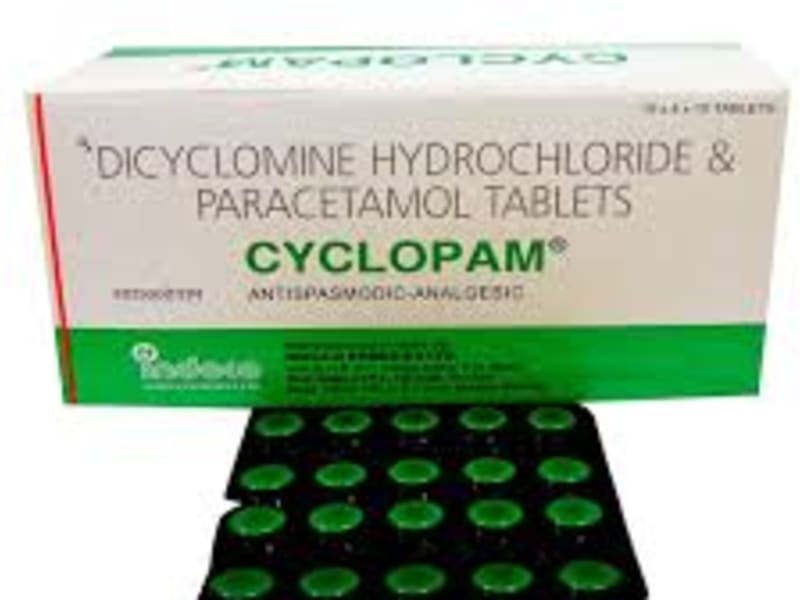
Cyclopam tablet is commonly used for abdominal pain and cramps. This guide explains its uses, benefits, dosage, and safety precautions for effective relief.
April 11, 2026