

Emergency & Help
24/7 Emergency & General Advisory
🚨 24/7 Medical Emergency
Non-Emergency Advisory
10:00 AM – 6:00 PM, Mon–Sat
For appointments & general queries.
24/7 Emergency & General Advisory
🚨 24/7 Medical Emergency
Non-Emergency Advisory
10:00 AM – 6:00 PM, Mon–Sat
For appointments & general queries.
Stay updated with our latest healthcare news and your appointments.
Learn if Medicare Part D and Medicare Advantage plans cover Trulicity for type 2 diabetes management, including costs, savings, and when to consult your doctor.

Managing type 2 diabetes often involves a combination of lifestyle changes, diet, and medication. For many people in India and around the world, Trulicity (dulaglutide) has become a valuable tool in controlling blood sugar levels and reducing the risk of heart complications associated with diabetes. But if you are enrolled in Medicare, you might wonder: does Medicare cover Trulicity? This is a common question, and understanding Medicare's coverage for this medication can help you manage your diabetes care and budget effectively.
Trulicity is a prescription medication that belongs to a class of drugs called glucagon-like peptide-1 receptor agonists (GLP-1 RAs). It works by mimicking a natural hormone that helps regulate blood sugar. It signals your pancreas to release insulin after you eat and reduces the amount of sugar your liver produces. It also slows down how quickly food leaves your stomach, which can help you feel fuller for longer.
The Food and Drug Administration (FDA) has approved Trulicity for managing type 2 diabetes and to lower the risk of major cardiovascular events like heart attack or stroke in adults with type 2 diabetes and established cardiovascular disease or multiple cardiovascular risk factors. With approximately 38.4 million people in the United States affected by diabetes, understanding medication coverage is essential for access to care.
Trulicity, with the generic name dulaglutide, is a once-weekly injectable medication. It's designed to help adults with type 2 diabetes manage their blood glucose levels. It plays a dual role: not only does it help control blood sugar, but it also offers cardiovascular benefits for those at higher risk.
Here's a closer look at its mechanism:
This multi-faceted action makes Trulicity a significant medication for many individuals managing type 2 diabetes. However, the cost can be a barrier, making insurance coverage a critical factor.
Medicare coverage for prescription drugs is primarily handled by Part D plans and some Medicare Advantage (Part C) plans. Trulicity, being an injectable medication for self-administration, typically falls under the purview of Medicare Part D.
Medicare Part D is the prescription drug benefit program. Most Part D plans include a formulary, which is a list of covered drugs. Trulicity is often included on these formularies, but coverage details can vary significantly from one plan to another.
Key points to remember about Part D coverage:
Scenario: An elderly woman, Mrs. Sharma, has been managing her type 2 diabetes for years. Her doctor recently prescribed Trulicity to help improve her blood sugar control and reduce her cardiovascular risk. She's worried about the cost, as she knows Trulicity can be expensive. She calls her Medicare Part D provider and asks if Trulicity is covered. The representative checks her plan's formulary and confirms that Trulicity is covered, but Mrs. Sharma will need to pay her plan's deductible first, followed by a copay of $45 per month for a 30-day supply.
Medicare Part C plans, also known as Medicare Advantage plans, are offered by private insurance companies approved by Medicare. These plans must cover all the benefits of Original Medicare (Parts A and B), and most also include prescription drug coverage (Part D benefits). Therefore, if you have a Medicare Advantage plan with prescription drug coverage, it will likely cover Trulicity, subject to its specific formulary and cost-sharing requirements.
When choosing a Medicare Advantage plan, it's essential to compare the prescription drug benefits, including coverage for your specific medications like Trulicity.
This is a common point of confusion. While Trulicity can lead to weight loss as a side effect due to its effect on appetite and digestion, Medicare generally does not cover Trulicity specifically for weight loss. Medicare's coverage for Trulicity is primarily for the management of type 2 diabetes and to reduce cardiovascular risk in eligible individuals.
Medicare's policy focuses on medically necessary treatments for approved indications. Unless Trulicity is prescribed for its FDA-approved uses (type 2 diabetes management and cardiovascular risk reduction in specific populations), Medicare is unlikely to provide coverage for weight loss purposes alone. This distinction is important, as many people are interested in GLP-1 agonists for their weight loss potential.
The retail price of Trulicity can be substantial, often around $987.19 per month without insurance. However, with Medicare coverage, your out-of-pocket costs will be significantly lower.
Your copay or coinsurance will depend on your specific Medicare Part D or Part C plan. It could range from $0 to $100 per month after you meet your deductible, according to the manufacturer's suggestions.
Here are ways to potentially lower your costs:
If you have type 2 diabetes and are considering Trulicity, the first step is always to talk to your doctor. They can assess if Trulicity is the right medication for your condition, considering your overall health, other medications you take, and your treatment goals.
Once your doctor prescribes Trulicity, contact your Medicare Part D or Medicare Advantage plan provider. Ask specific questions about:
Understanding these details upfront will help you navigate your treatment plan with confidence and manage the associated costs effectively.
A: Generally, no. Medicare Part B covers medications administered by a healthcare provider, such as IV infusions. Since Trulicity is a self-administered injection, it is typically covered under Medicare Part D (prescription drug coverage) or Medicare Advantage plans that include drug benefits.
A: If your plan's formulary doesn't include Trulicity, speak with your doctor. They may be able to prescribe a similar, covered medication. You can also explore the Medicare Plan Finder tool to see if other Part D plans in your area offer coverage for Trulicity. Sometimes, switching to a different Medicare plan during the open enrollment period might be an option.
A: Like all medications, Trulicity can have side effects. Common side effects include nausea, vomiting, diarrhea, abdominal pain, and decreased appetite. Serious side effects are rare but can include pancreatitis, gallbladder problems, kidney problems, and allergic reactions. It's essential to discuss potential side effects with your doctor.
A: No, Medicare generally does not cover Trulicity for prediabetes. Trulicity is approved for managing type 2 diabetes and reducing cardiovascular risk in adults with type 2 diabetes and cardiovascular disease or risk factors. Prediabetes is a different condition, and Trulicity is not indicated for its treatment.
Visit Hospital
Near You

Understand if Indian chemists can legally prescribe medicines. Learn about pharmacist roles and patient safety.
April 22, 2026

Montek LC tablet is applied in the treatment of allergies and asthma symptoms. This is an instructional manual on the usage, benefits, dosage and precautions to treat it safely and effectively.
April 11, 2026
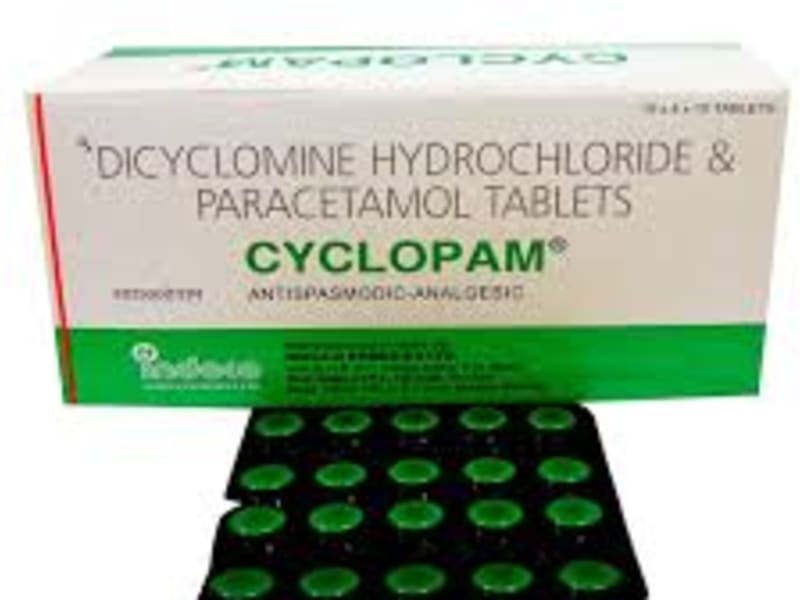
Cyclopam tablet is commonly used for abdominal pain and cramps. This guide explains its uses, benefits, dosage, and safety precautions for effective relief.
April 11, 2026