

Emergency & Help
24/7 Emergency & General Advisory
🚨 24/7 Medical Emergency
Non-Emergency Advisory
10:00 AM – 6:00 PM, Mon–Sat
For appointments & general queries.
24/7 Emergency & General Advisory
🚨 24/7 Medical Emergency
Non-Emergency Advisory
10:00 AM – 6:00 PM, Mon–Sat
For appointments & general queries.
Stay updated with our latest healthcare news and your appointments.
Understand how Medicare covers Xarelto, a common blood thinner. Learn about Part D, Medicare Advantage, formularies, and potential out-of-pocket costs.

Dealing with blood clots or conditions that put you at risk can be stressful. If your doctor prescribes Xarelto, a common blood thinner, you'll likely wonder about the cost and how your Medicare coverage works. It's a valid concern, as prescription medications can add up. This guide aims to clarify how Medicare covers Xarelto, what you might expect to pay, and where to find additional support. We'll break down the different parts of Medicare and explain which ones are most likely to help you manage the cost of this important medication.
Xarelto, with the generic name rivaroxaban, is a prescription medication that acts as a blood thinner. Its primary job is to prevent serious blood clots from forming. Doctors often prescribe Xarelto to individuals who have conditions like deep vein thrombosis (DVT) or pulmonary embolism (PE), or for those who have had certain heart procedures like valve replacement or have atrial fibrillation, a type of irregular heartbeat.
Compared to some older blood thinners, Xarelto often requires less frequent blood tests and fewer dose adjustments, which can make managing your treatment a bit simpler. However, it's important to know that Xarelto does not currently have a generic version available, meaning the brand-name medication can be quite expensive if you're paying out-of-pocket.
A common scenario: Mrs. Sharma, a 72-year-old woman, was recently diagnosed with atrial fibrillation and her cardiologist recommended Xarelto to reduce her risk of stroke. She was worried about the monthly cost, as she'd heard it could be very high, and wanted to understand how her Medicare plan would help.
The good news is that Medicare does cover Xarelto in most situations. However, coverage isn't automatic and depends on specific plans and conditions. Xarelto is a prescription drug, so you'll need a Medicare plan that includes prescription drug benefits.
Understanding the different parts of Medicare is key to knowing your coverage:
In summary: To get coverage for Xarelto at home, you will most likely need either a Medicare Part D plan or a Medicare Advantage plan that includes Part D prescription drug benefits.
A crucial aspect of your Medicare prescription drug coverage is the formulary. This is a list of prescription drugs that your specific Medicare plan has decided to cover. Most Medicare prescription drug plans include a wide range of medications, with approximately 96% of commonly prescribed drugs found on these formularies. Xarelto is usually included, but it's essential to check your plan's formulary to be sure.
Action Step: Before or when you start taking Xarelto, ask your doctor and your insurance provider for a copy of your plan's formulary, or find it on your plan's website. Look for Xarelto (rivaroxaban) to confirm its coverage status and its tier on the formulary, as this affects your cost.
The cash price for a 30-day supply of Xarelto can range significantly, often from around $542 to over $600. However, with Medicare coverage, your costs will be substantially lower.
Your exact out-of-pocket expense depends on your specific Medicare plan, including:
Generally, with Medicare coverage, you might expect to pay around $89 per month for a 30-day supply of Xarelto. For a 90-day supply, the cost could be approximately $250. These figures are estimates and can vary.
If the estimated costs are still a concern, there are additional avenues for assistance:
Action Step: Discuss your financial concerns openly with your doctor and pharmacist. They can guide you toward available savings programs and help you find the most cost-effective way to get your prescription filled.
It's always best to have a clear understanding of your medication coverage. Here are situations where you should reach out:
Medicare Part D and Medicare Advantage plans cover many blood thinners, but coverage varies by plan and the specific drug. It's essential to check your plan's formulary.
No, Medicare covers a wide range of blood thinners, including warfarin, apixaban (Eliquis), and dabigatran (Pradaxa), provided they are on your plan's formulary. Xarelto is just one example.
If Xarelto is not on your plan's formulary, you have a few options: you can ask your doctor if a different, covered blood thinner would be suitable, or you can check if your plan offers an exception process for non-formulary drugs. You might also consider switching to a plan that does cover Xarelto during the next open enrollment period.
Navigating Medicare coverage for prescription medications like Xarelto can seem complicated, but understanding the basics empowers you to make informed decisions about your health and finances. Always confirm coverage details with your specific plan and discuss any concerns with your healthcare provider.
Visit Hospital
Near You

Understand if Indian chemists can legally prescribe medicines. Learn about pharmacist roles and patient safety.
April 22, 2026

Montek LC tablet is applied in the treatment of allergies and asthma symptoms. This is an instructional manual on the usage, benefits, dosage and precautions to treat it safely and effectively.
April 11, 2026
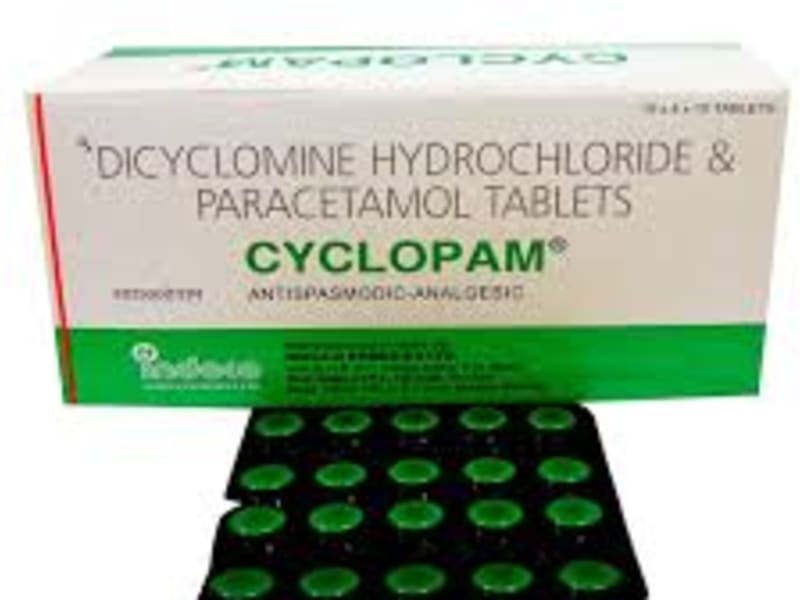
Cyclopam tablet is commonly used for abdominal pain and cramps. This guide explains its uses, benefits, dosage, and safety precautions for effective relief.
April 11, 2026