

Emergency & Help
24/7 Emergency & General Advisory
🚨 24/7 Medical Emergency
Non-Emergency Advisory
10:00 AM – 6:00 PM, Mon–Sat
For appointments & general queries.
24/7 Emergency & General Advisory
🚨 24/7 Medical Emergency
Non-Emergency Advisory
10:00 AM – 6:00 PM, Mon–Sat
For appointments & general queries.
Stay updated with our latest healthcare news and your appointments.
Learn about Baqsimi, a nasal glucagon spray for emergency treatment of severe low blood sugar in people with diabetes. Understand its use, dosage, storage, and side effects.
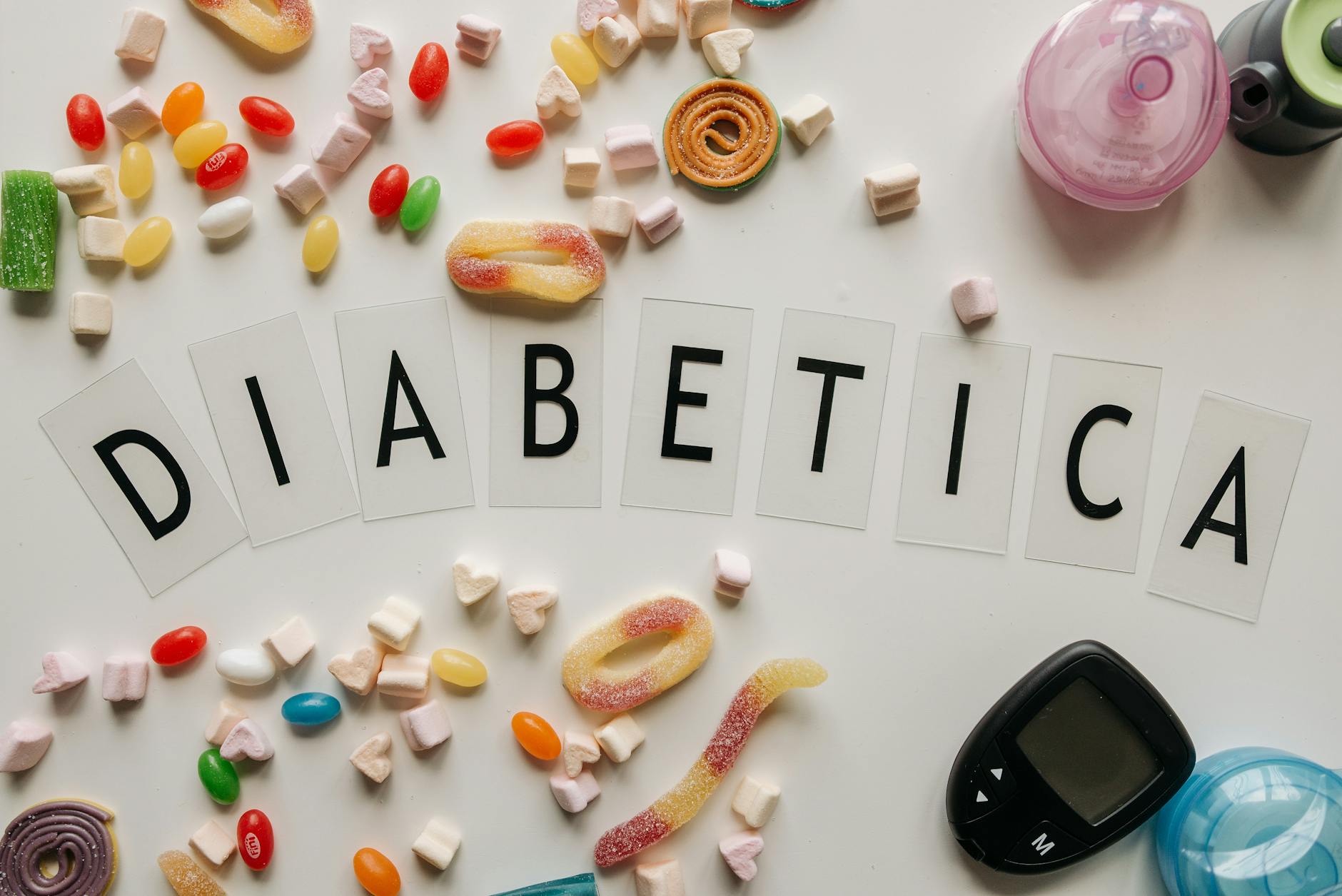
Living with diabetes can feel like a constant balancing act. You manage your diet, monitor your blood glucose levels, and remember your medications. Most of the time, things go smoothly. But sometimes, despite your best efforts, your blood sugar can drop to dangerously low levels. This condition, known as severe hypoglycemia, is a medical emergency that requires immediate attention. Fortunately, advancements in medicine offer solutions like Baqsimi, a nasal glucagon product designed to quickly and effectively raise blood sugar levels when they plummet. This article will explore Baqsimi in detail. We'll cover what it is, how it works, who can benefit from it, and what you need to know about its use, storage, and potential side effects. Our goal is to empower you with the knowledge to handle severe low blood sugar emergencies confidently. What is Baqsimi? Baqsimi is a prescription medication containing the active ingredient glucagon. It's specifically formulated as a dry powder for nasal inhalation. Think of it as a fast-acting rescue treatment for those terrifying moments when your blood sugar levels become critically low, and you might not be able to swallow or self-administer other forms of glucose. It's a brand-name drug and does not have a generic version available. How Does Baqsimi Work? Glucagon, the active component in Baqsimi, is a hormone naturally produced by your pancreas. Its primary job is to counteract the effects of insulin. When your blood sugar levels drop too low (hypoglycemia), your pancreas normally releases glucagon. Glucagon then signals your liver to release stored glucose (sugar) into your bloodstream. This process helps bring your blood sugar levels back up to a safe range. Baqsimi delivers a dose of glucagon directly into your nasal passages. The powder is absorbed through the nasal lining and quickly enters your bloodstream. This bypasses the need for injection and is particularly useful when someone is experiencing severe hypoglycemia and may be confused, drowsy, or even unconscious, making oral intake impossible or unsafe. Who Can Use Baqsimi? Baqsimi is prescribed for individuals with diabetes, both adults and children aged 4 years and older, who are at risk of experiencing severe hypoglycemia. Severe hypoglycemia is defined as a low blood sugar event that requires assistance from another person to administer carbohydrates, glucagon, or other life-saving measures. This is because the person with the low blood sugar may be unable to help themselves. It's important to understand that Baqsimi is not a replacement for regular diabetes management. It's an emergency rescue medication. Your doctor will determine if Baqsimi is appropriate for your specific diabetes treatment plan. Baqsimi vs. Gvoke: What's the Difference? You might have heard of other glucagon products, such as Gvoke. Both Baqsimi and Gvoke contain the same active ingredient: glucagon. They serve the same purpose – to treat severe low blood sugar. However, they differ in their delivery method. Baqsimi: Administered as a nasal powder. Gvoke: Administered as a subcutaneous injection (under the skin). Gvoke can be prescribed for adults and children as young as 2 years old, while Baqsimi is for individuals aged 4 years and older. The choice between them often depends on the patient's age, preference, and the doctor's recommendation. How to Use Baqsimi Using Baqsimi correctly is vital for its effectiveness. The medication comes in a shrink-wrapped tube containing a nasal device. It's designed for single use. Preparation: Ensure the person needing Baqsimi is experiencing a severe low blood sugar episode. If they are conscious and able to swallow, offering them a fast-acting carbohydrate source like glucose tablets or juice might be the first step. However, if they are unable to swallow, drowsy, confused, or unconscious, Baqsimi is indicated. Assembly (if needed): The nasal device is typically pre-assembled. You'll need to remove the protective shrink wrap. Administration: Gently insert the tip of the nasal applicator into one nostril. Tilt the head back slightly and press the plunger firmly until it stops. This releases the powder into the nostril. Second Dose (if necessary): If the person's blood sugar does not improve or they do not regain consciousness within 15 minutes, a second dose may be administered. It's important to use the other nostril for the second dose. Seek Medical Help: Immediately after administering the first dose of Baqsimi, you or someone with you must call 911 or your local emergency number. Baqsimi is a rescue treatment, and professional medical evaluation is essential to ensure the person is stable and to investigate the cause of the severe hypoglycemia. Storage and Shelf Life Proper storage ensures Baqsimi remains effective until it's needed. Here's what you need to know: Temperature: Store Baqsimi at room temperature, up to 86°F (30°C). Protection: Keep the device in its original shrink-wrapped tube until you are ready to use it. This protects the powder from moisture. Expiration: Baqsimi has a shelf life of 2 years from the manufacturing date. Always check the expiration date on the packaging and do not use the medication if it has expired. Potential Side Effects of Baqsimi While Baqsimi is generally safe and effective for its intended use, like all medications, it can have side effects. Most side effects are mild and temporary. However, serious side effects can occur, though they are uncommon. Common Side Effects: Runny nose Nasal discomfort or irritation Watery eyes Sore throat Cough Nausea These symptoms usually resolve on their own. If they persist or are bothersome, speak with your doctor. Serious Side Effects: Serious side effects are rare but require immediate medical attention. Allergic Reactions: Signs of a severe allergic reaction can include rash, itching, swelling (especially of the face, tongue, or throat), severe dizziness, or trouble breathing. If you suspect an allergic reaction, call 911 or your local emergency number immediately. Persistent Symptoms: If the low blood sugar symptoms do not improve after the second dose, or if the person remains unresponsive, seek emergency medical help. Always call your doctor right away if you experience serious side effects. If you believe you are experiencing a medical emergency, call 911 or your local emergency number. Baqsimi Cost and Savings The cost of prescription medications can be a significant concern for many. Baqsimi, being a brand-name drug, may have a considerable price tag. The actual amount you pay can vary based on several factors: Your health insurance plan The pharmacy you use Any available discount programs or coupons If you have health insurance, check with your provider about coverage for Baqsimi. If you don't have insurance or are facing high out-of-pocket costs, explore options like manufacturer savings programs or discount cards. Websites like Optum Perks may offer savings coupons, but remember these typically cannot be used in conjunction with insurance benefits. It's always a good idea to discuss cost-saving strategies with your doctor or pharmacist. They can provide guidance on navigating prescription costs and accessing financial assistance if available. When to Consult a Doctor While Baqsimi is for emergencies, regular medical consultation is paramount for diabetes management. You should consult your doctor: If you experience frequent episodes of low blood sugar. If your blood sugar levels are consistently difficult to manage. To discuss whether Baqsimi is the right emergency treatment for you. To review your diabetes management plan and make necessary adjustments. If you have any questions or concerns about Baqsimi or your diabetes care. After using Baqsimi, to understand the cause of the severe hypoglycemia and prevent future occurrences. Frequently Asked Questions about Baqsimi Q1: Can I use Baqsimi if I don't have diabetes? No, Baqsimi is specifically indicated for individuals with diabetes who are at risk of severe low blood sugar episodes. It is not intended for use by people without diabetes. Q2: How quickly does Baqsimi work? Baqsimi is designed to work rapidly. Many people experience an improvement in their blood sugar levels within minutes of administration. However, the exact onset of action can vary. Q3: What should I do after someone uses Baqsimi? Immediately after the first dose, call 911 or your local emergency number. Stay with the person until emergency medical help arrives. Monitor their breathing and consciousness. Once they are more alert, try to give them a form of fast-acting sugar if they can swallow safely, as advised by emergency responders. Q4: Can Baqsimi be stored in the refrigerator? No, Baqsimi should be stored at room temperature, up to 86°F (30°C). Do not freeze it. Keep it in its original packaging to protect it from moisture. Q5: Is Baqsimi painful to use? Baqsimi is administered nasally and does not involve an injection. Some people may experience temporary nasal discomfort, a runny nose, or a sore throat, but it is generally considered less invasive than an injection for those who fear needles. Living with diabetes requires vigilance, and having a plan for emergencies like severe hypoglycemia is essential. Baqsimi offers a valuable tool for managing these critical situations, providing a rapid and accessible way to restore safe blood sugar levels. Always work closely with your healthcare team to ensure you have the right tools and knowledge to
In summary, timely diagnosis, evidence-based treatment, and prevention-focused care improve long-term health outcomes.
Visit Hospital
Near You

Confused about whether CBD can get you high? Understand the difference between CBD and THC, their effects on your body, and what to look for in safe, non-intoxicating CBD products.
April 1, 2026

Learn about anticoagulants and antiplatelet drugs, often called blood thinners. Understand how they prevent blood clots, when they're prescribed, their side effects, and essential safety tips for Indian readers.
April 1, 2026

Confused about Plan B and abortion pills? Understand the key differences, how they work, and their effectiveness for informed reproductive health decisions.
April 1, 2026