

Emergency & Help
24/7 Emergency & General Advisory
🚨 24/7 Medical Emergency
Non-Emergency Advisory
10:00 AM – 6:00 PM, Mon–Sat
For appointments & general queries.
24/7 Emergency & General Advisory
🚨 24/7 Medical Emergency
Non-Emergency Advisory
10:00 AM – 6:00 PM, Mon–Sat
For appointments & general queries.
Stay updated with our latest healthcare news and your appointments.
An in-depth look at Blincyto (blinatumomab) dosage, administration, and important considerations for treating acute lymphoblastic leukemia (ALL) in India.
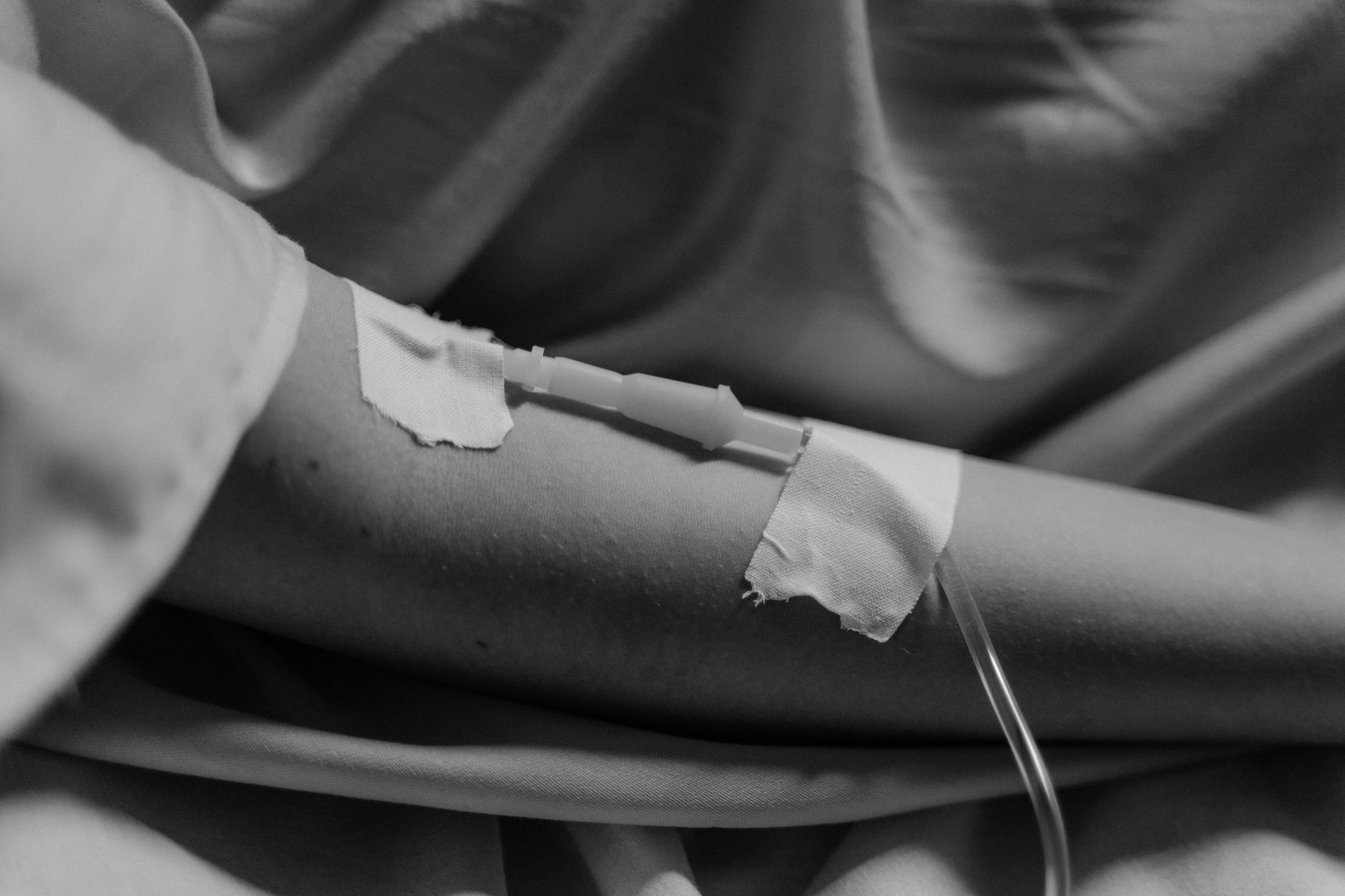
Understanding Blincyto Dosage for Acute Lymphoblastic Leukemia (ALL) in India Blincyto, with the active ingredient blinatumomab, is a targeted therapy used in the treatment of certain types of acute lymphoblastic leukemia (ALL). As a prescription medication, it is administered intravenously (IV) by a healthcare professional. The dosage and administration of Blincyto are crucial for its effectiveness and safety, and they are tailored to the individual patient's needs, including their weight, body surface area, and the specific stage and type of ALL being treated. This article provides a comprehensive overview of Blincyto dosage and administration, particularly relevant for patients and healthcare providers in India. What is Blincyto and How Does it Work? Blincyto belongs to a class of drugs known as monoclonal antibodies. It is a biologic drug, meaning it is derived from living cells. Blincyto works by targeting specific proteins on the surface of leukemia cells and certain immune cells (T-cells). It acts as a bridge, bringing the T-cells closer to the leukemia cells, thereby enabling the T-cells to recognize and destroy the cancer cells. This targeted approach aims to minimize damage to healthy cells. Blincyto Strength and Form Blincyto is available in a single strength of 35 micrograms (mcg). It comes as a powder that is reconstituted into a liquid solution for intravenous infusion. The administration is always performed by a qualified healthcare professional in a clinical setting. Dosage and Administration for Adults The dosage of Blincyto for adults is determined based on their weight or body surface area (BSA). BSA is a measurement calculated from a person's height and weight. Treatment Cycles for ALL in Remission with Minimal Residual Disease (MRD) For adults with ALL that is in remission but still shows minimal residual disease (detected by blood tests), Blincyto is administered in treatment cycles. A typical regimen includes: Induction Therapy: One cycle to initiate treatment. Consolidation Therapy: Up to three additional cycles. Consolidation therapy is given after induction to target any remaining cancer cells in the body. Each cycle involves a continuous IV infusion of Blincyto over 28 days, followed by a 14-day break. This results in a total cycle length of 42 days. Treatment Cycles for Relapsed or Refractory ALL For adults whose ALL has relapsed (returned) or is refractory (did not respond to previous treatments), the dosing schedule is different: Induction Therapy: Up to two cycles. The total treatment duration and dosage adjustments are carefully monitored by the oncologist. Dosage and Administration for Children Blincyto is also approved for use in children with certain types of ALL. The dosage for pediatric patients is also based on their weight or body surface area. The administration follows similar principles of continuous IV infusion, with cycles of treatment and rest periods designed to maximize efficacy while managing potential side effects. Dosage Calculation Based on Weight and BSA The specific dosage calculation is a critical aspect of Blincyto administration: Patients weighing 45 kg (approximately 99 lb) or more: Typically receive a fixed dose. Patients weighing less than 45 kg: The dosage is calculated based on their body surface area (BSA) in square meters (m²). This ensures a personalized dose that accounts for individual body size. Important Considerations During Infusion There are specific situations where dose adjustments or interruptions might be necessary during the Blincyto infusion: During the first 9 days of the first Blincyto treatment cycle: Close monitoring is essential due to the potential for certain side effects. During the first 2 days of the second cycle: Continued vigilance is important. If treatment is paused for 4 or more hours: The infusion may need to be restarted at a reduced rate or with specific protocols. These adjustments are made to manage potential toxicities and ensure patient safety. Potential Side Effects and Management Like all medications, Blincyto can cause side effects. Some common side effects include fever, infusion-related reactions, low blood cell counts, and infections. More serious side effects can include cytokine release syndrome (CRS) and neurological toxicities. Healthcare providers monitor patients closely for these reactions and have protocols in place to manage them, which may include dose adjustments, temporary interruptions, or supportive care. When to Consult a Doctor It is essential for patients undergoing Blincyto treatment to maintain open communication with their healthcare team. You should consult your doctor or oncologist immediately if you experience any of the following: High fever or chills Signs of infection (e.g., redness, swelling, pain, or discharge from any site) Severe headache, confusion, seizures, or difficulty speaking Shortness of breath or difficulty breathing Unusual bleeding or bruising Any new or worsening symptoms Your doctor will provide specific instructions regarding your treatment schedule, potential side effects, and when to seek medical attention. Blincyto in the Indian Healthcare Context The availability and administration of Blincyto in India follow international guidelines. However, access and cost can be significant considerations. Patients are encouraged to discuss financial assistance programs and insurance coverage with their healthcare provider and the hospital's administrative department. Regular follow-ups and adherence to the prescribed treatment plan are paramount for achieving the best possible outcomes in the fight against ALL. Conclusion Blincyto is a vital medication in the treatment of ALL, offering a targeted approach to combatting this aggressive form of leukemia. Understanding its dosage, administration, and potential side effects is crucial for patients and their families. The personalized nature of Blincyto dosing, based on individual patient characteristics, underscores the importance of expert medical supervision throughout
In summary, timely diagnosis, evidence-based treatment, and prevention-focused care improve long-term health outcomes.
Visit Hospital
Near You

Confused about whether CBD can get you high? Understand the difference between CBD and THC, their effects on your body, and what to look for in safe, non-intoxicating CBD products.
April 1, 2026

Learn about anticoagulants and antiplatelet drugs, often called blood thinners. Understand how they prevent blood clots, when they're prescribed, their side effects, and essential safety tips for Indian readers.
April 1, 2026

Confused about Plan B and abortion pills? Understand the key differences, how they work, and their effectiveness for informed reproductive health decisions.
April 1, 2026