

Emergency & Help
24/7 Emergency & General Advisory
🚨 24/7 Medical Emergency
Non-Emergency Advisory
10:00 AM – 6:00 PM, Mon–Sat
For appointments & general queries.
24/7 Emergency & General Advisory
🚨 24/7 Medical Emergency
Non-Emergency Advisory
10:00 AM – 6:00 PM, Mon–Sat
For appointments & general queries.
Stay updated with our latest healthcare news and your appointments.
Learn about Brilinta (ticagrelor) dosage, strengths, and how to take it for heart conditions and stroke prevention. Understand loading doses, maintenance doses, and aspirin combination therapy.
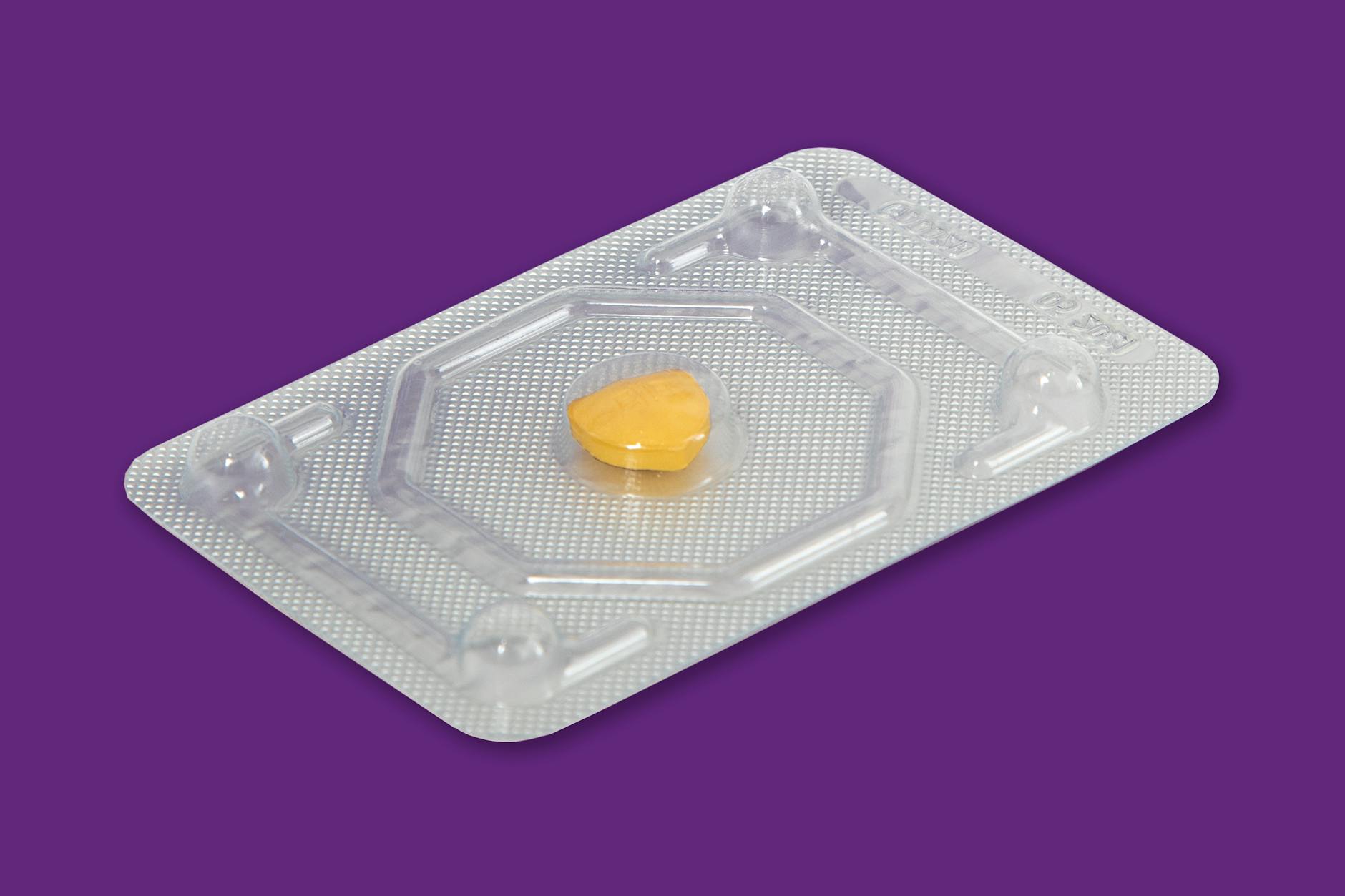
Brilinta, with the active ingredient ticagrelor, is a crucial medication for individuals managing certain heart conditions and stroke risks. As an antiplatelet drug, it works by preventing blood clots, thereby lowering the chances of serious cardiovascular events like heart attacks and strokes. This guide aims to provide clear, practical information about Brilinta dosages, strengths, and how to take it, tailored for our readers in India. It is essential to remember that this information is for educational purposes and should not replace the advice of your healthcare provider. Always follow your doctor's specific prescription.
Brilinta belongs to a class of drugs called antiplatelets. Platelets are tiny blood cells that clump together to form clots. In conditions like acute coronary syndrome (ACS) or coronary artery disease (CAD), excessive platelet aggregation can lead to dangerous blockages in blood vessels, resulting in heart attacks or strokes. Brilinta inhibits this process, making platelets less likely to stick together and form clots. This action is vital in preventing serious cardiovascular events in at-risk individuals.
In India, Brilinta is typically available in two main strengths:
Your doctor will prescribe the strength that is most appropriate for your specific condition and medical history.
The dosage of Brilinta is highly individualized and depends on several factors, including your medical history, the specific condition being treated, and whether you are starting the medication or continuing it long-term. Your doctor will determine the optimal dosage for you.
If you have been diagnosed with ACS or have recently experienced a heart attack, your treatment regimen will likely involve a loading dose followed by a maintenance dose.
Important Note on Aspirin: Patients taking Brilinta for ACS or after a heart attack are usually also prescribed a daily dose of aspirin. The typical aspirin dosage is 75 mg to 100 mg once daily. Your doctor will advise on the exact aspirin dosage.
If you have been diagnosed with CAD but have not experienced a stroke or heart attack, your Brilinta dosage will differ.
Important Note on Aspirin: Similar to the above, a daily dose of aspirin (75 mg to 100 mg once daily) is often prescribed alongside Brilinta for CAD patients. Always confirm with your doctor.
If you have a history of stroke or TIA, Brilinta may be prescribed to reduce the risk of future events.
Following the placement of a coronary stent, Brilinta is often prescribed to prevent blood clots from forming around the stent.
Brilinta comes in the form of a tablet that you swallow whole. It should not be crushed, chewed, or broken.
Like all medications, Brilinta can cause side effects. The most common side effect is bleeding, which can range from minor (like nosebleeds or bruising) to severe. It is crucial to report any signs of unusual or prolonged bleeding to your doctor immediately.
Other potential side effects may include:
Precautions:
It is essential to consult your doctor immediately if you experience any of the following:
Always maintain regular follow-up appointments with your cardiologist or healthcare provider to monitor your condition and the effectiveness of Brilinta.
A: No, you should never stop taking Brilinta without consulting your doctor. Stopping the medication prematurely can significantly increase your risk of a heart attack, stroke, or other serious cardiovascular events.
A: The duration of Brilinta treatment varies depending on your specific condition. It can range from a few months to a year or longer. Your doctor will decide the appropriate treatment duration for you.
A: Both Brilinta (ticagrelor) and aspirin are antiplatelet medications, but they work in slightly different ways and are often used in combination. Brilinta is a more potent P2Y12 inhibitor, while aspirin inhibits the COX-1 enzyme. Your doctor prescribes them together to provide maximum protection against blood clots.
A: While moderate alcohol consumption may be acceptable for some, it's best to discuss this with your doctor. Alcohol can sometimes increase the risk of bleeding or interact with medications. Your doctor can advise based on your overall health.
Brilinta is a vital medication for managing serious heart conditions and reducing the risk of stroke. Understanding its dosage, strengths, and how to take it correctly is crucial for effective treatment. Always adhere to your doctor's prescription, report any concerns or side effects promptly, and attend all scheduled follow-up appointments. This guide provides general information, but your healthcare provider's advice is paramount in your treatment journey.
Visit Hospital
Near You

Confused about whether CBD can get you high? Understand the difference between CBD and THC, their effects on your body, and what to look for in safe, non-intoxicating CBD products.
April 1, 2026

Learn about anticoagulants and antiplatelet drugs, often called blood thinners. Understand how they prevent blood clots, when they're prescribed, their side effects, and essential safety tips for Indian readers.
April 1, 2026

Confused about Plan B and abortion pills? Understand the key differences, how they work, and their effectiveness for informed reproductive health decisions.
April 1, 2026