

Emergency & Help
24/7 Emergency & General Advisory
🚨 24/7 Medical Emergency
Non-Emergency Advisory
10:00 AM – 6:00 PM, Mon–Sat
For appointments & general queries.
24/7 Emergency & General Advisory
🚨 24/7 Medical Emergency
Non-Emergency Advisory
10:00 AM – 6:00 PM, Mon–Sat
For appointments & general queries.
Stay updated with our latest healthcare news and your appointments.
Explore the potential benefits and risks of CBD for athletes, including pain relief, inflammation, and drug testing concerns. Learn what you need to know before trying CBD.
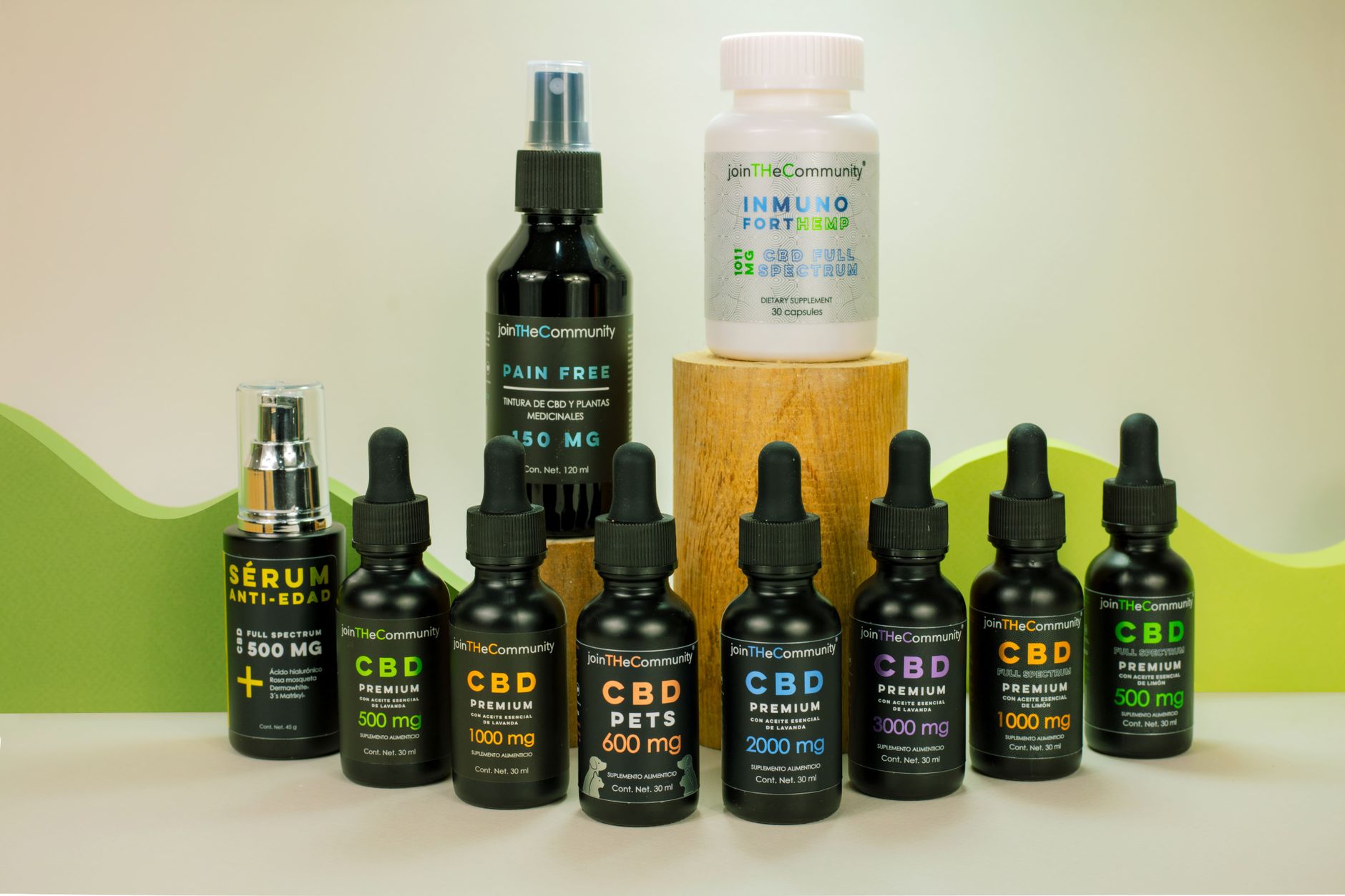
In the world of sports, pushing your body to its limits is part of the game. Athletes constantly seek ways to recover faster, manage pain, and enhance performance. Recently, cannabidiol, or CBD, has emerged as a popular option. You might have heard athletes like Megan Rapinoe or Rob Gronkowski talk about it. But what exactly is CBD, and how can it help athletes? Let's break down the science, the potential benefits, and the important things to consider before you try it.
CBD is one of over 100 compounds found naturally in the cannabis plant. Unlike its well-known cousin, tetrahydrocannabinol (THC), CBD is not psychoactive. This means it won't give you that 'high' feeling associated with marijuana. Instead, research suggests CBD may offer therapeutic benefits, particularly for conditions related to athletic activity.
Intense training and competition can take a toll on an athlete's body. Athletes often deal with issues like inflammation, muscle soreness, and joint pain. CBD shows promise in helping to manage these very problems.
Studies suggest that CBD can help reduce pain and inflammation. For athletes, this could mean faster recovery after strenuous workouts or games. Imagine finishing a tough marathon, feeling sore, and using a CBD cream to ease that muscle discomfort. This could allow you to get back to training sooner.
While not directly related to performance, CBD's potential to help with addiction is noteworthy. Some research indicates that CBD might be used as a tool to manage addiction to substances like opioids, which carry a higher risk of dependence. This is a significant area of ongoing study.
Unlike THC, which can impair cognitive functions like short-term memory, CBD does not appear to have these effects. This is a critical distinction for athletes who need to maintain peak mental performance. A 2004 study on lab rats indicated that THC could affect memory, but CBD did not show the same potential.
It's essential to understand the difference between CBD and THC. While both come from the cannabis plant, their effects on the body are distinct. THC is psychoactive, meaning it alters your mental state. CBD, on the other hand, is non-psychoactive. This difference is vital for athletes, especially those subject to drug testing.
The World Anti-Doping Agency (WADA) has removed CBD from its list of prohibited substances. However, many sports leagues still prohibit THC. This means choosing CBD products carefully is paramount to avoid accidental THC exposure.
While generally considered safe, CBD can cause some side effects. Research from 2017 identified the most common ones:
It's important to remember that these side effects are not experienced by everyone, and they are often mild. Starting with a low dose can help you gauge your body's reaction.
This is a major concern for many athletes. While CBD itself is legal and not prohibited by WADA, the risk of contamination or mislabeling in CBD products is real. Some products, especially full-spectrum CBD, may contain trace amounts of THC.
A 2018 report from the World Health Organization highlighted that CBD does not appear to have the potential for misuse or dependence, unlike THC or opioids. However, there have been instances where individuals tested positive for THC after using CBD products. This risk is higher if the product comes from an unreliable source.
Scenario: An athlete training for a national competition uses a CBD topical for muscle soreness. They are careful to buy from a reputable brand. However, due to a slight mislabeling or contamination in the batch, the product contains a small amount of THC. Even a trace amount could lead to a failed drug test, jeopardizing their career.
Recommendation: If you are an athlete subject to drug testing, consult with your sports organization's policy. If you choose to use CBD, opt for CBD isolate products, which contain only CBD and no other cannabinoids, including THC. Always buy from reputable brands that provide third-party lab testing results (Certificates of Analysis) for their products.
If you decide to try CBD, how should you go about it? Here are some practical steps:
Research into CBD is still evolving. While initial findings are promising for pain management, inflammation, and recovery, more extensive studies are needed. Athletes and sports organizations are closely watching these developments. As more is understood, CBD's role in athletic wellness may become clearer.
It's wise to speak with a doctor before trying CBD, especially if:
Your doctor can provide personalized advice based on your health status and medication regimen.
It's possible, though unlikely with pure CBD isolate. Some products may contain trace amounts of THC due to contamination or mislabeling. If you are subject to drug testing, it's best to be cautious or consult your sports organization.
CBD derived from hemp containing less than 0.3% THC is legal in many places. WADA has removed CBD from its prohibited list. However, specific sports leagues might have their own rules regarding THC, which is still prohibited in most cases.
THC is psychoactive and causes a 'high'. CBD is non-psychoactive and does not cause a 'high'. CBD may offer therapeutic benefits without the intoxicating effects of THC.
Visit Hospital
Near You

Confused about whether CBD can get you high? Understand the difference between CBD and THC, their effects on your body, and what to look for in safe, non-intoxicating CBD products.
April 1, 2026

Learn about anticoagulants and antiplatelet drugs, often called blood thinners. Understand how they prevent blood clots, when they're prescribed, their side effects, and essential safety tips for Indian readers.
April 1, 2026

Confused about Plan B and abortion pills? Understand the key differences, how they work, and their effectiveness for informed reproductive health decisions.
April 1, 2026