

Emergency & Help
24/7 Emergency & General Advisory
🚨 24/7 Medical Emergency
Non-Emergency Advisory
10:00 AM – 6:00 PM, Mon–Sat
For appointments & general queries.
24/7 Emergency & General Advisory
🚨 24/7 Medical Emergency
Non-Emergency Advisory
10:00 AM – 6:00 PM, Mon–Sat
For appointments & general queries.
Stay updated with our latest healthcare news and your appointments.
A detailed guide on Celebrex (celecoxib) dosage, strengths, usage, and safety for Indian patients managing pain and inflammation from conditions like arthritis and menstrual cramps.
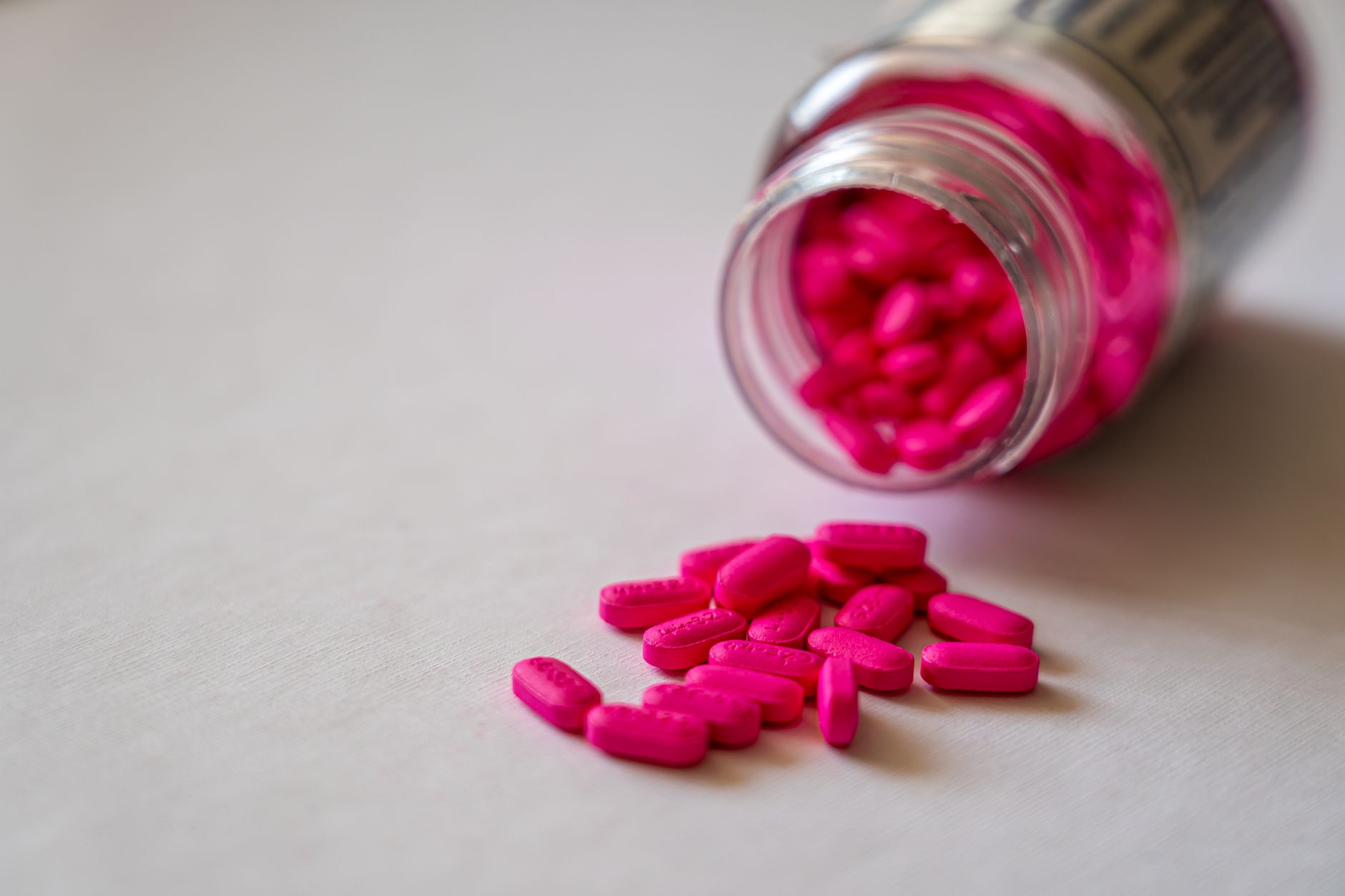
Celebrex, with the active ingredient celecoxib, is a widely prescribed medication belonging to the class of nonsteroidal anti-inflammatory drugs (NSAIDs). It is commonly used in India and globally to manage pain and inflammation associated with various conditions, including osteoarthritis, rheumatoid arthritis, and acute pain. This comprehensive guide aims to provide clear, practical information about Celebrex dosages, strengths, and usage tailored for Indian readers, emphasizing safety and efficacy.
Celebrex (celecoxib) works by inhibiting specific enzymes in the body called cyclooxygenase-2 (COX-2). These enzymes are involved in the production of prostaglandins, which are substances that contribute to pain, inflammation, and fever. By blocking COX-2, Celebrex effectively reduces these symptoms. Unlike some older NSAIDs, Celebrex is designed to be more selective for COX-2, which may lead to a lower risk of certain gastrointestinal side effects.
In India, Celebrex capsules are typically available in the following strengths:
The choice of strength and dosage will depend on the specific condition being treated, its severity, and individual patient factors. It is crucial to use only the dosage prescribed by your doctor.
The dosage of Celebrex is highly individualized and depends on the condition it is prescribed for. Here are the general dosage recommendations for adults in India:
For acute pain conditions like back pain or pain resulting from an injury, the initial dose for adults is often 400 mg. If necessary, a second dose of 200 mg can be taken on the same day. Following this, the usual daily maintenance dose is 200 mg, which can be taken once or twice a day as needed. The duration of treatment is typically short-term.
For the management of osteoarthritis, the typical adult dosage is 200 mg per day. This can be administered as a single 200 mg dose or divided into two 100 mg doses taken twice daily. The maximum recommended daily dose for osteoarthritis is generally 200 mg.
In cases of rheumatoid arthritis, the recommended adult dosage is usually between 100 mg and 200 mg, taken twice daily. The maximum recommended daily dose for rheumatoid arthritis can be up to 400 mg, taken as 200 mg twice daily.
For the relief of menstrual pain, the recommended starting dose for adults is 400 mg. A second dose of 200 mg may be taken on the same day if needed. The typical daily dose thereafter is 200 mg, which can be taken once or twice daily as required. Treatment is usually initiated at the onset of symptoms.
Celebrex is also approved for treating JIA in children aged 2 years and older. The dosage for children is determined based on their body weight:
Note: 1 kilogram (kg) is approximately equal to 2.2 pounds (lb).
Doctor's Prescription is Key: Always adhere strictly to the dosage prescribed by your healthcare provider. Self-adjusting the dose or duration of treatment can be dangerous. Your doctor will determine the lowest effective dose for your condition.
Swallow Capsules Whole: Celebrex comes in capsule form and should be swallowed whole with a full glass of water. Do not crush, chew, or open the capsules.
With or Without Food: Celebrex can be taken with or without food. However, taking it with food may help reduce the risk of stomach upset for some individuals.
Long-term vs. Short-term Use: For acute pain, Celebrex is typically used for a short duration. For chronic conditions like arthritis, it may be prescribed for longer periods. Your doctor will monitor your condition and adjust the treatment plan accordingly.
If you miss a dose of Celebrex, take it as soon as you remember, unless it is almost time for your next scheduled dose. In that case, skip the missed dose and continue with your regular dosing schedule. Do not take a double dose to make up for a missed one.
Taking too much Celebrex can lead to serious health consequences. Symptoms of an overdose may include nausea, vomiting, stomach pain, drowsiness, heartburn, headache, blurred vision, ringing in the ears, confusion, and difficulty breathing. In severe cases, it can lead to kidney problems, liver damage, or gastrointestinal bleeding.
If you suspect you have taken too much Celebrex, contact your doctor immediately. You can also reach out to India's National Poisons Information Centre or seek emergency medical help. If you experience severe symptoms, call emergency services (like 108 or 112 in India) or go to the nearest hospital emergency room without delay.
Like all medications, Celebrex can cause side effects. Common side effects include:
Serious side effects, though less common, require immediate medical attention. These include signs of allergic reactions (rash, itching, swelling, severe dizziness, trouble breathing), severe stomach pain, black or tarry stools, vomiting blood, changes in vision, unexplained weight gain, or signs of kidney or liver problems (yellowing of skin or eyes, dark urine, persistent nausea/vomiting).
It is essential to consult your doctor before starting Celebrex, especially if you have:
You should also consult your doctor if your symptoms do not improve, or if you experience any concerning side effects while taking Celebrex.
While Celebrex is effective for pain and inflammation, lifestyle modifications can complement its treatment and improve overall well-being:
Generally, it is not recommended to take Celebrex with other NSAIDs (like ibuprofen or naproxen) or aspirin without consulting your doctor, as this increases the risk of side effects, particularly gastrointestinal bleeding.
The onset of action can vary, but many people start to feel relief from pain and inflammation within a few hours to a couple of days after starting the medication.
Celebrex can be used long-term for chronic conditions under a doctor's supervision. However, continuous monitoring is necessary to manage potential risks, especially cardiovascular and gastrointestinal ones.
Alternatives may include other NSAIDs, acetaminophen (paracetamol), physical therapy, and in some cases, other classes of medications depending on the condition. Always discuss alternatives with your doctor.
Celebrex is generally not recommended during pregnancy, especially in the third trimester, due to potential risks to the fetus. Consult your doctor for guidance.
Disclaimer: This information is intended for educational purposes only and does not constitute medical advice. Always consult with a qualified healthcare professional for any health concerns or before making any decisions related to your health or treatment.
Visit Hospital
Near You

Confused about whether CBD can get you high? Understand the difference between CBD and THC, their effects on your body, and what to look for in safe, non-intoxicating CBD products.
April 1, 2026

Learn about anticoagulants and antiplatelet drugs, often called blood thinners. Understand how they prevent blood clots, when they're prescribed, their side effects, and essential safety tips for Indian readers.
April 1, 2026

Confused about Plan B and abortion pills? Understand the key differences, how they work, and their effectiveness for informed reproductive health decisions.
April 1, 2026