

Emergency & Help
24/7 Emergency & General Advisory
🚨 24/7 Medical Emergency
Non-Emergency Advisory
10:00 AM – 6:00 PM, Mon–Sat
For appointments & general queries.
24/7 Emergency & General Advisory
🚨 24/7 Medical Emergency
Non-Emergency Advisory
10:00 AM – 6:00 PM, Mon–Sat
For appointments & general queries.
Stay updated with our latest healthcare news and your appointments.
Understand Celexa dosage, strengths, and how it's prescribed for depression treatment in adults and children. Learn about starting doses, maximum limits, and important considerations for safe and effective use.
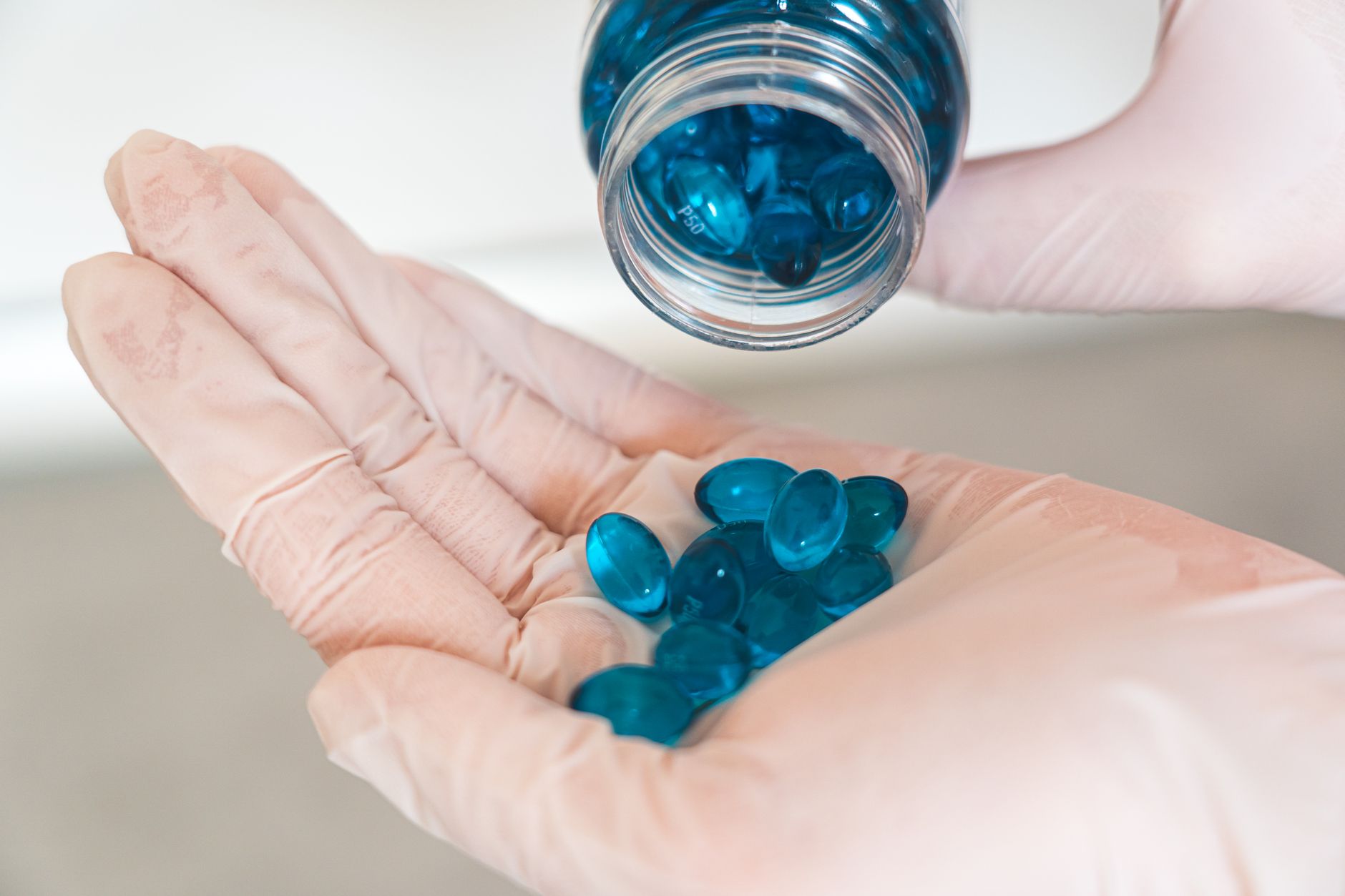
Depression is a common yet serious mental health condition that affects millions of people worldwide. If you or a loved one are struggling with depression, a healthcare provider might suggest Celexa (citalopram) as a treatment option. Celexa is a prescription medication belonging to a class of drugs known as selective serotonin reuptake inhibitors (SSRIs). It works by increasing the levels of serotonin, a neurotransmitter that plays a crucial role in mood regulation, in the brain. This guide aims to provide comprehensive information about Celexa dosage, strengths, and how it is typically prescribed for adults and, in some cases, children in India, keeping in mind the nuances of local healthcare practices and patient needs.
Celexa, with its active ingredient citalopram, is primarily used to treat major depressive disorder (MDD) in adults. It functions by selectively inhibiting the reuptupake of serotonin in the brain. Serotonin is a chemical messenger that helps transmit signals between nerve cells. By preventing the reabsorption of serotonin, Celexa increases its availability in the synaptic cleft, which can help improve mood and alleviate symptoms of depression. It's important to understand that antidepressants like Celexa do not produce immediate effects; it typically takes several weeks of consistent use to notice significant improvements in mood and well-being.
Celexa is available in tablet form, designed to be swallowed. These tablets come in various strengths to allow for precise dosing and gradual adjustment by healthcare professionals. The common strengths available for Celexa tablets include:
Some tablets may be scored, meaning they have a line down the middle. This scoring can sometimes be used as a guide to split a tablet in half, allowing for smaller dose adjustments. However, it is crucial to consult your doctor or pharmacist before attempting to split or crush any medication, as not all tablets are designed for this, and it could affect the drug's efficacy or safety.
For adults diagnosed with depression, a healthcare provider will typically initiate treatment with a low dose of Celexa. The usual starting dose is 20 mg once per day. This conservative approach allows the body to adjust to the medication and helps minimize the potential for side effects. Your doctor will monitor your response to this initial dose and may gradually increase it over time if necessary to achieve the desired therapeutic effect. The goal is always to find the lowest effective dose that provides relief from depressive symptoms while minimizing side effects.
The recommended maximum daily dosage for treating depression in adults is generally 40 mg per day. Exceeding this dosage may increase the risk of adverse effects. It is imperative to adhere strictly to the dosage prescribed by your doctor. Self-adjusting the dose or taking more than prescribed can be dangerous and may lead to serious health complications. Your doctor will determine the appropriate maximum dose based on your individual condition, response to treatment, and overall health status.
Celexa may sometimes be prescribed for children and adolescents, although this is often considered an off-label use in some regions, meaning it's prescribed for a condition not specifically approved by regulatory bodies for that age group. When Celexa is prescribed for younger individuals, the dosage is usually lower than that for adults and is carefully determined by the prescribing doctor based on their experience, the child's age, and the specific condition being treated. For example, dosages might differ for children aged 7 to 11 years compared to older adolescents. It is crucial to be aware of the boxed warning associated with Celexa regarding the risk of suicidal thoughts and behaviors in children and young adults. If Celexa is prescribed for a child, close monitoring by the doctor is essential.
Certain individuals may require dosage adjustments or may not tolerate higher doses. Your doctor might decide to keep your dosage at the starting level of 20 mg per day if:
It is vital to inform your doctor about all other medications, supplements, and herbal products you are taking to avoid potential drug interactions. Your doctor will consider these factors when determining the optimal Celexa dosage for you.
If you miss a dose of Celexa, take it as soon as you remember, unless it is almost time for your next scheduled dose. In that case, skip the missed dose and continue with your regular dosing schedule. Do not double up on doses to compensate for a missed one. If you accidentally take more than the prescribed dose, contact your doctor immediately. You can also reach out to a poison control center for guidance. In case of severe symptoms, such as extreme confusion, rapid heartbeat, fainting, or seizures, seek emergency medical attention by calling 108 (or your local emergency number) or going to the nearest hospital emergency room.
Celexa is typically prescribed as a long-term treatment for depression. The decision to continue or discontinue the medication is made jointly by you and your doctor. If both you and your doctor determine that Celexa is safe and effective for managing your condition, it may be continued for an extended period. Abruptly stopping Celexa can lead to withdrawal symptoms, so any changes to your dosage or discontinuation should be done under medical supervision.
It is essential to consult your doctor before starting Celexa or if you have any questions or concerns about your prescription. You should also seek medical advice if you experience any of the following:
Regular follow-up appointments with your doctor are crucial to monitor your progress, adjust your dosage if needed, and ensure the continued effectiveness and safety of your treatment.
Disclaimer: This information is intended for general knowledge and informational purposes only, and does not constitute medical advice. It is essential to consult with a qualified healthcare professional for any health concerns or before making any decisions related to your health or treatment.
Visit Hospital
Near You

Confused about whether CBD can get you high? Understand the difference between CBD and THC, their effects on your body, and what to look for in safe, non-intoxicating CBD products.
April 1, 2026

Learn about anticoagulants and antiplatelet drugs, often called blood thinners. Understand how they prevent blood clots, when they're prescribed, their side effects, and essential safety tips for Indian readers.
April 1, 2026

Confused about Plan B and abortion pills? Understand the key differences, how they work, and their effectiveness for informed reproductive health decisions.
April 1, 2026