

Emergency & Help
24/7 Emergency & General Advisory
🚨 24/7 Medical Emergency
Non-Emergency Advisory
10:00 AM – 6:00 PM, Mon–Sat
For appointments & general queries.
24/7 Emergency & General Advisory
🚨 24/7 Medical Emergency
Non-Emergency Advisory
10:00 AM – 6:00 PM, Mon–Sat
For appointments & general queries.
Stay updated with our latest healthcare news and your appointments.
Learn about clopidogrel, its role in preventing heart attack and stroke, understanding its cost, available savings options, and important considerations for patients in India.
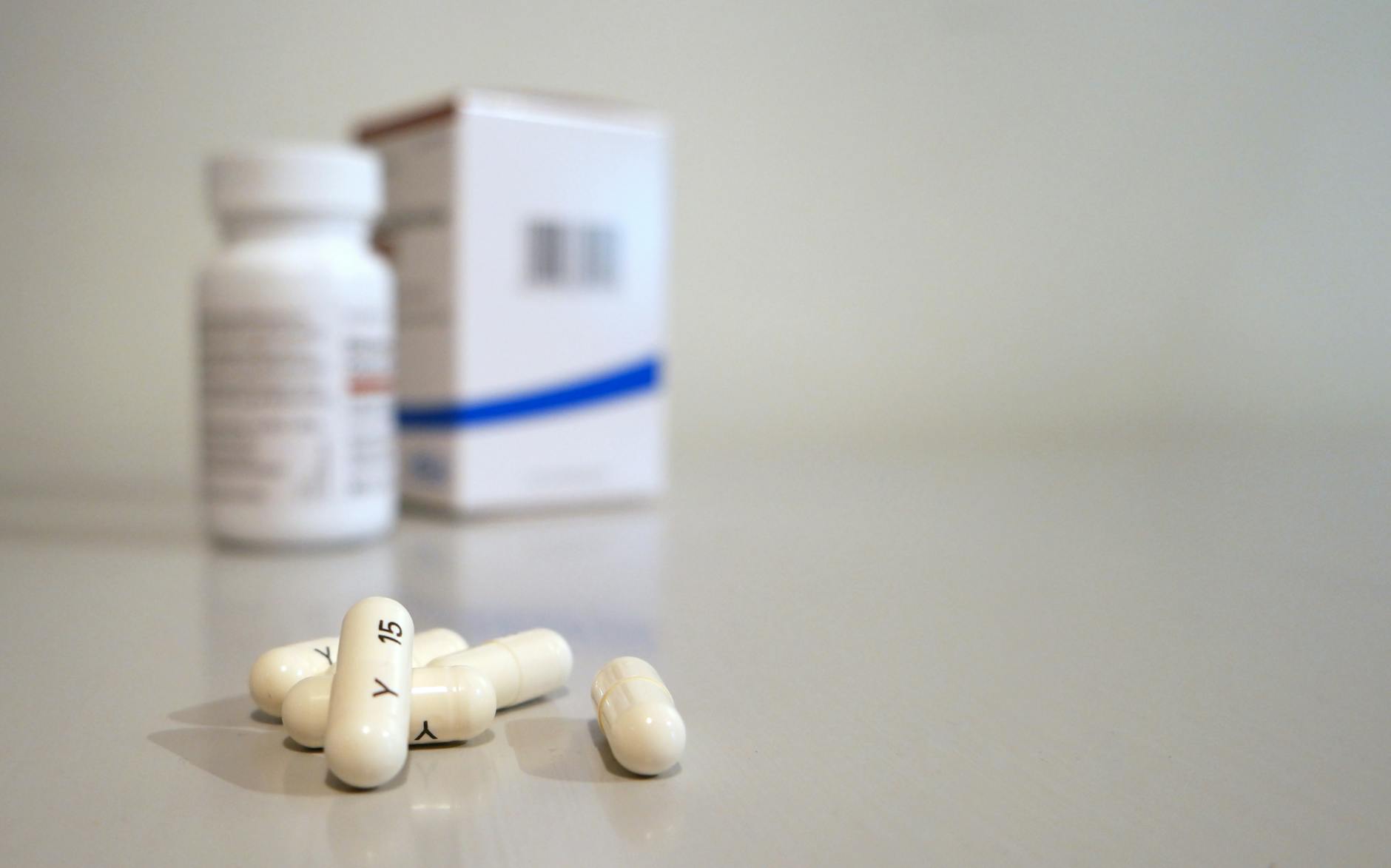
Understanding Clopidogrel: A Lifesaving Medication for Heart Health Clopidogrel is a crucial medication widely prescribed to help prevent serious cardiovascular events such as heart attack and stroke. It belongs to a class of drugs known as antiplatelet agents, which work by preventing blood platelets from clumping together and forming clots. These clots can block blood flow to the heart or brain, leading to a heart attack or stroke, respectively. For individuals with a history of these conditions, or those at high risk, clopidogrel plays a vital role in maintaining their health and well-being. How Clopidogrel Works Blood platelets are small, irregular-shaped cells in your blood that play a key role in blood clotting. When a blood vessel is injured, platelets gather at the site of injury and stick together, forming a plug. While this is a necessary process to stop bleeding, in certain conditions, this clotting process can become dangerous. Clopidogrel inhibits a specific receptor on the surface of platelets, known as P2Y12, which is essential for platelet aggregation. By blocking this receptor, clopidogrel makes platelets less likely to stick together, thereby reducing the risk of harmful clot formation in arteries. Indications for Use Clopidogrel is typically prescribed in several scenarios: After a Heart Attack or Stroke: Patients who have recently experienced a heart attack or ischemic stroke are often prescribed clopidogrel to reduce the risk of another event. Peripheral Artery Disease (PAD): Individuals with PAD, a condition where arteries in the limbs become narrowed, may also benefit from clopidogrel to prevent blood clots. After Certain Procedures: It is commonly used after procedures like angioplasty and stenting, where a small mesh tube (stent) is inserted into a blocked artery to keep it open. Clopidogrel helps prevent clots from forming on the stent. High Risk Patients: In some cases, individuals with multiple risk factors for cardiovascular disease may be prescribed clopidogrel as a preventive measure, often in combination with aspirin (a regimen known as dual antiplatelet therapy or DAPT). Dosage and Administration Clopidogrel is taken orally as a tablet. The typical maintenance dose is 75 mg once daily. However, a higher loading dose may be given initially, especially after certain procedures. It is crucial to take clopidogrel exactly as prescribed by your doctor and not to stop taking it without consulting them, even if you feel well. Abruptly stopping the medication can significantly increase the risk of heart attack or stroke. Understanding the Cost of Clopidogrel The cost of clopidogrel can be a significant concern for many patients. As a generic medication, it is generally more affordable than its brand-name equivalent, Plavix. However, the price can still vary considerably based on several factors: Cost with Insurance If you have health insurance, your out-of-pocket cost for clopidogrel will depend on your specific insurance plan benefits. This includes: Drug Copay: The fixed amount you pay for a prescription. Deductible: The amount you must pay before your insurance starts covering costs. Formulary: Whether clopidogrel is listed on your plan's list of covered drugs. To determine your exact copay, it is best to contact your insurance provider directly or consult your doctor's office. They can provide the most accurate information based on your plan details. Cost Without Insurance For individuals without health insurance, the cost of clopidogrel can be substantially higher. The price can fluctuate based on the pharmacy, the quantity prescribed (e.g., 30-day vs. 90-day supply), and any available discounts or savings programs. Available Savings and Coupons Fortunately, there are several ways to potentially reduce the cost of clopidogrel: Manufacturer Coupons and Savings Cards: Pharmaceutical manufacturers often provide coupons or savings cards that can offer significant discounts, sometimes reducing the cost by up to 80%. These are typically available through the drug manufacturer's website or third-party discount programs. It's important to note that these coupons usually cannot be combined with insurance benefits. Pharmacy Discount Programs: Many pharmacies offer their own discount cards or programs that can lower the price of generic medications. Online Pharmacies: Comparing prices across different online pharmacies can sometimes yield lower costs, but always ensure you are purchasing from a reputable and licensed source. Patient Assistance Programs (PAPs): For those with limited income and no insurance, pharmaceutical companies and non-profit organizations may offer patient assistance programs that provide medication at a reduced cost or even free of charge. Eligibility criteria apply. To find the most current savings options, you can visit websites like Optum Perks, which often provides estimates and coupons for medications. Remember to check the terms and conditions, as coupons are generally not usable with insurance. Potential Side Effects Like all medications, clopidogrel can cause side effects. The most significant and common side effect is an increased risk of bleeding. This can range from minor bruising or nosebleeds to more serious internal bleeding. Other potential side effects include: Stomach upset or pain Diarrhea Rash It is essential to report any unusual bleeding or bruising to your doctor immediately. If you experience signs of severe bleeding, such as blood in your stool, vomiting blood, or severe headaches, seek emergency medical attention. When to Consult a Doctor It is crucial to consult with your healthcare provider before starting clopidogrel or if you have any questions or concerns about its use. You should also speak to your doctor if: You are pregnant, planning to become pregnant, or breastfeeding. You have any other medical conditions, especially liver or kidney disease, or a history
In summary, timely diagnosis, evidence-based treatment, and prevention-focused care improve long-term health outcomes.
Visit Hospital
Near You

Confused about whether CBD can get you high? Understand the difference between CBD and THC, their effects on your body, and what to look for in safe, non-intoxicating CBD products.
April 1, 2026

Learn about anticoagulants and antiplatelet drugs, often called blood thinners. Understand how they prevent blood clots, when they're prescribed, their side effects, and essential safety tips for Indian readers.
April 1, 2026

Confused about Plan B and abortion pills? Understand the key differences, how they work, and their effectiveness for informed reproductive health decisions.
April 1, 2026