

Emergency & Help
24/7 Emergency & General Advisory
🚨 24/7 Medical Emergency
Non-Emergency Advisory
10:00 AM – 6:00 PM, Mon–Sat
For appointments & general queries.
24/7 Emergency & General Advisory
🚨 24/7 Medical Emergency
Non-Emergency Advisory
10:00 AM – 6:00 PM, Mon–Sat
For appointments & general queries.
Stay updated with our latest healthcare news and your appointments.
A detailed guide on Concerta dosage for ADHD treatment in India, covering strengths, administration, side effects, and important considerations for children, adolescents, and adults.
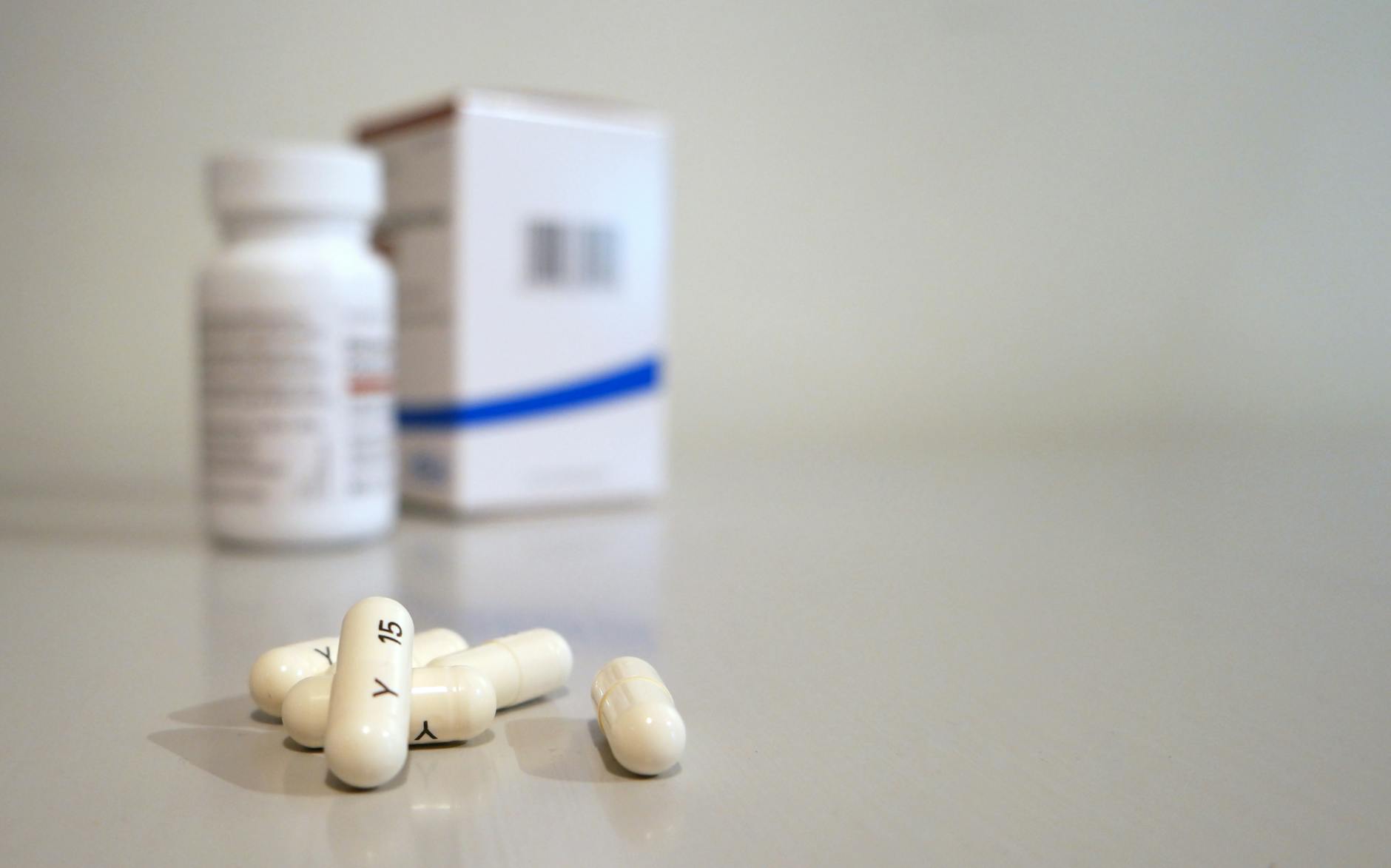
Understanding Concerta Dosage for ADHD Treatment in India Attention Deficit Hyperactivity Disorder (ADHD) is a neurodevelopmental condition that affects millions worldwide, including many in India. It's characterized by persistent patterns of inattention and/or hyperactivity-impulsivity that interfere with functioning or development. While behavioral therapies are crucial, medication often plays a significant role in managing ADHD symptoms. Concerta, a brand name for methylphenidate hydrochloride extended-release tablets, is one such medication frequently prescribed. This article provides a detailed look at Concerta dosage, its strengths, and how it's managed for adults and children in the Indian context, emphasizing safety and efficacy. What is Concerta and How Does it Work? Concerta belongs to a class of drugs known as central nervous system (CNS) stimulants. The active ingredient, methylphenidate, works by increasing the levels of certain neurotransmitters in the brain, primarily dopamine and norepinephrine. These neurotransmitters are crucial for attention, focus, and impulse control. By balancing these chemicals, Concerta helps individuals with ADHD to concentrate better, reduce impulsive behaviors, and manage hyperactivity. Concerta is an extended-release tablet, meaning it's designed to release the medication slowly over a period of 10 to 12 hours. This allows for a once-daily dosage, which is convenient for patients and helps maintain stable medication levels throughout the day, reducing the need for multiple doses and potential 'wear-off' effects. Concerta Strengths Available In India, as in other countries, Concerta is typically available in several strengths to allow for precise titration (gradual adjustment of dosage). The common strengths are: 18 mg 27 mg 36 mg 54 mg It's important to note that while the maximum daily dose for some individuals might be 72 mg, Concerta tablets do not come in a 72 mg strength. In such cases, a doctor might prescribe two 36 mg tablets to achieve the desired total daily dosage. Dosage for Children (6-12 Years) For children aged 6 to 12 years, ADHD management with Concerta usually begins with a low dose. The recommended starting dosage is typically 18 mg once daily . The doctor will then gradually increase the dose, usually by 18 mg increments per week, based on the child's response, symptom improvement, and any side effects observed. The goal is to find the smallest effective dose that provides optimal symptom control with minimal adverse effects. The maximum daily dosage for children in this age group is generally capped at 54 mg . Dosage for Adolescents (13-17 Years) For adolescents aged 13 to 17 years, the dosage regimen can be similar to that for younger children, but the maximum limits differ. The starting dose is often 18 mg once daily, with gradual increases as needed. However, the maximum daily dosage for adolescents can go up to 72 mg . The doctor will carefully calculate the appropriate dose, considering the adolescent's weight and response to treatment. A specific guideline notes that the maximum daily dosage should not exceed 2 mg of Concerta per kilogram (kg) of body weight for children and adolescents. Dosage for Adults (18-65 Years) For adults diagnosed with ADHD, the recommended starting dosage is usually 18 mg or 36 mg once daily . Similar to children and adolescents, the doctor will adjust the dosage incrementally, typically by 18 mg each week, until the most effective dose is found. This process ensures that the medication is tailored to the individual's needs. The maximum daily dosage for adults is generally 72 mg . As mentioned, this is often achieved by taking two 36 mg tablets. Factors Influencing Concerta Dosage Several factors are considered by doctors when determining the right Concerta dosage for an individual: Age: Different age groups have different recommended starting and maximum doses. Weight: Particularly for younger patients, weight can be a crucial factor in dose calculation. Severity of Symptoms: The intensity of ADHD symptoms will influence how high the dose needs to be. Response to Treatment: How well the patient's symptoms improve is a primary indicator for dose adjustment. Side Effects: The occurrence and severity of side effects will guide the doctor in adjusting the dose or considering alternative medications. Other Medical Conditions: Pre-existing health issues, especially cardiovascular problems or a history of tics, may affect medication choice and dosage. How to Take Concerta Concerta tablets should be swallowed whole with water. They should not be chewed, crushed, or broken. The extended-release mechanism relies on the tablet remaining intact to ensure the medication is released gradually throughout the day. If a dose is missed, it should be taken as soon as remembered, unless it is almost time for the next dose. In that case, the missed dose should be skipped, and the regular dosing schedule should be resumed. Doubling up on doses is not recommended. Potential Side Effects and When to Consult a Doctor Like all medications, Concerta can cause side effects. Common side effects may include: Decreased appetite Difficulty sleeping (insomnia) Headache Stomach pain Nausea or vomiting Dizziness Increased heart rate or blood pressure Anxiety or irritability Concerta carries a boxed warning regarding the risks of misuse and addiction. It is crucial to take Concerta exactly as prescribed by your doctor and not to share it with others. You should contact your doctor immediately if you experience any of the following: Severe or persistent side effects. Symptoms of serious cardiovascular problems, such as chest pain, shortness of breath, or fainting. New or worsening psychiatric symptoms, such as hallucinations, mania, or aggression. Signs of circulation problems
In summary, timely diagnosis, evidence-based treatment, and prevention-focused care improve long-term health outcomes.
Visit Hospital
Near You

Confused about whether CBD can get you high? Understand the difference between CBD and THC, their effects on your body, and what to look for in safe, non-intoxicating CBD products.
April 1, 2026

Learn about anticoagulants and antiplatelet drugs, often called blood thinners. Understand how they prevent blood clots, when they're prescribed, their side effects, and essential safety tips for Indian readers.
April 1, 2026

Confused about Plan B and abortion pills? Understand the key differences, how they work, and their effectiveness for informed reproductive health decisions.
April 1, 2026