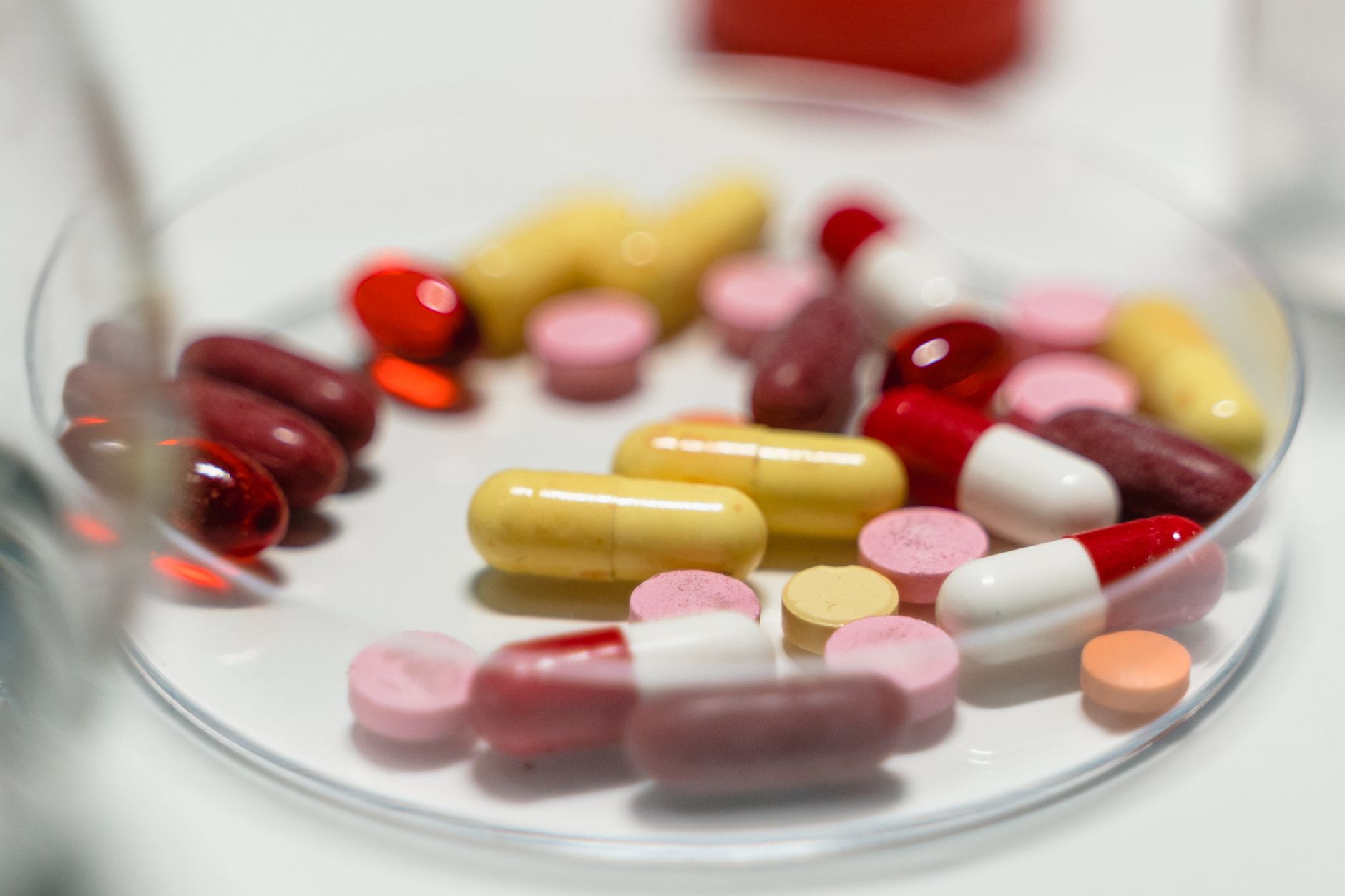
Many men seeking to treat erectile dysfunction (ED) wonder about the quickest way to make their medication work. A common question is, "Will chewing Viagra make it work faster?" This article explores the science behind Viagra (sildenafil) absorption, compares different formulations, and offers practical advice for Indian readers to maximize its effectiveness while ensuring safety. Understanding How Viagra Works Viagra, with its active ingredient sildenafil, is a well-known medication for erectile dysfunction. It belongs to a class of drugs called phosphodiesterase type 5 (PDE5) inhibitors. These inhibitors work by relaxing the blood vessels in the penis, allowing for increased blood flow. This enhanced blood flow is essential for achieving and maintaining an erection during sexual stimulation. When you take a Viagra tablet, your body needs to break it down through the digestive system. This process takes time. The sildenafil then enters your bloodstream and travels to the penis, where it can exert its effects. On average, it takes about 30 to 60 minutes for Viagra to start working. However, for some individuals, this can extend up to 2 hours. It's important to remember that Viagra does not cause an erection on its own; sexual arousal is necessary for the medication to be effective. The Myth of Chewing Viagra for Faster Results Let's address the core question directly: Does chewing Viagra make it work faster? The scientific answer is no. When you chew a standard Viagra tablet, it still needs to undergo the same digestive process as a swallowed tablet. Chewing simply breaks the tablet into smaller pieces, but it doesn't bypass the digestive tract or significantly speed up the absorption of sildenafil into your bloodstream. The medication must still be absorbed from your stomach or intestines, which is the rate-limiting step. A 2017 study specifically investigated this, comparing chewable sildenafil citrate tablets with standard oral tablets. The findings indicated that both formulations took the same amount of time to start working and were equally effective. Therefore, chewing the tablet offers no advantage in terms of speed or efficacy. Exploring Different Viagra Formulations While chewing a standard tablet doesn't speed things up, research has explored other formulations that might offer different absorption profiles. These include: Oral Disintegrating Film (ODF) Formulations Some studies have compared standard sildenafil tablets (film-coated tablets or FCT) with oral disintegrating film formulations (ODF). These ODFs are designed to dissolve quickly in the mouth, potentially leading to faster absorption. Research, including studies from 2017, 2019, and 2020, has shown that these ODF formulations have similar effectiveness and side effect profiles to the standard tablets. However, ODF Viagra or sildenafil is not currently available in the United States, and availability in India may vary. Sublingual Formulations A 2018 study looked at different ways sildenafil could be administered: sublingual (under the tongue) oral dissolving film (ODF), oral dissolving tablets (ODT), and standard film-coated tablets (FCT). This research suggested that the ODF formulation might be absorbed the fastest, starting to work within an hour and potentially having fewer side effects compared to other forms. It's crucial to understand that the availability of these specialized formulations can be limited. Always consult with your doctor or pharmacist about what options are accessible to you. Viagra vs. Sildenafil: What's the Difference? Viagra is the brand name for the medication sildenafil. They contain the exact same active ingredient and work in precisely the same way. The primary difference is cost: brand-name Viagra is typically more expensive than generic sildenafil. Generic sildenafil undergoes rigorous testing to prove its safety and effectiveness to regulatory bodies like the FDA (in the US) and similar authorities in India before it can be approved for sale. While the pills might look different in terms of size, color, or shape, this does not affect their pharmacological action. These visual differences are mainly for branding purposes. An interesting point is that while Viagra is exclusively approved for ED, generic sildenafil has broader approvals. It is also used to treat pulmonary arterial hypertension (PAH), a serious lung condition. Optimizing Viagra Effectiveness: Practical Tips Since chewing doesn't help, how can you ensure Viagra works as effectively as possible? Here are some practical tips: Timing is Key: Take Viagra on an empty stomach or after a light meal. Avoid heavy, fatty meals before taking the medication, as they can slow down absorption. Aim to take it about 30 to 60 minutes before you plan to engage in sexual activity. Understand the Duration: The effects of Viagra can last for up to 4 hours. This means you have a window of time where you can achieve an erection with stimulation. Arousal is Essential: Remember, Viagra only works when there is sexual arousal. It's a facilitator, not a cause, of an erection. Dosage Matters: Never take more than one dose of Viagra in a 24-hour period. Exceeding the prescribed dose can increase the risk of side effects without necessarily improving effectiveness. Consult Your Doctor: Discuss your medical history and any other medications you are taking with your doctor. Certain conditions and drugs can interact with Viagra, affecting its safety and efficacy. Potential Side Effects and When to Seek Help Like all medications, Viagra can have side effects. Common ones include headache, flushing, indigestion, and nasal congestion. These are usually mild and temporary. However, in rare cases, more serious side effects can occur. Seek immediate medical attention if you experience any of the following: Priapism: This is a prolonged erection lasting longer than 4 hours. It is a medical emergency that requires prompt treatment to prevent permanent damage. Sudden Vision or Hearing Changes: If you experience a sudden decrease or loss of vision or hearing, contact your doctor immediately. Symptoms of a Serious Allergic Reaction: These can include rash, itching or swelling (especially of the face, tongue, or throat), severe dizziness, or trouble breathing. Call emergency services (like 108 or 112 in India) if you experience these. Prescription and Safety Considerations Viagra is a prescription medication. It's essential to obtain it only from a licensed healthcare provider after a thorough medical evaluation. Self-medicating or buying Viagra from unverified sources can be dangerous due to the risk of counterfeit or substandard products. Your doctor will determine the appropriate dosage based on your health status and other medications you might be taking. They will also discuss potential interactions and contraindications. Compounded Medications: A Note of Caution In some cases, when an FDA-approved product isn't suitable or available, doctors might prescribe compounded medications. This involves a pharmacist creating a custom dosage or formulation based on a doctor's prescription. For example, a pharmacist might create a liquid form of sildenafil from tablets. It is vital to understand that compounded medications are not FDA-approved. This means that the FDA has not verified their safety or effectiveness. While they can be a valuable option in specific circumstances, they should only be used under strict medical supervision. When to Consult a Doctor It's always best to have an open conversation with your doctor about erectile dysfunction and its treatment. You should consult your doctor if: You are experiencing symptoms of ED for the first time. You are considering starting Viagra or any other ED medication. You have experienced side effects from ED medication. Your current ED treatment is not effective. You have any underlying health conditions that might be affected by ED medication. Scenario: Ramesh, a 55-year-old man, recently started experiencing difficulties maintaining an erection. He read online that chewing Viagra might help him get results faster before an important anniversary dinner. He decided to try it, but he noticed no difference in how quickly the medication worked compared to swallowing the pill whole. He felt disappointed and worried. Ramesh's situation highlights a common misconception. Instead of relying on unproven methods like chewing, the best next step for Ramesh would be to schedule an appointment with his doctor to discuss his concerns. The doctor can assess his overall health, adjust his dosage if needed, or explore alternative ED treatments that might be more suitable for him. Frequently Asked Questions (FAQ) Q1: Can I take Viagra with food? A: It is best to take Viagra on an empty stomach or with a light meal. High-fat meals can delay the absorption of the medication, potentially making it take longer to work. Q2: How long does Viagra take to start working? A: Typically, Viagra begins to work within 30 to 60 minutes, but for some individuals, it may take up to 2 hours. Sexual stimulation is required for the medication to be effective. Q3: What is the difference between Viagra and generic sildenafil? A: Viagra is the brand name; sildenafil is the active ingredient. They are chemically identical and work the same way. Generic sildenafil is usually more affordable and is equally effective as brand-name Viagra. Q4: Can I drink alcohol while taking Viagra? A: While moderate alcohol consumption might not significantly affect Viagra's efficacy for everyone, heavy drinking can impair erectile function and may increase the risk of side effects like dizziness and low blood pressure. It's
In summary, timely diagnosis, evidence-based treatment, and prevention-focused care improve long-term health outcomes.