

Emergency & Help
24/7 Emergency & General Advisory
🚨 24/7 Medical Emergency
Non-Emergency Advisory
10:00 AM – 6:00 PM, Mon–Sat
For appointments & general queries.
24/7 Emergency & General Advisory
🚨 24/7 Medical Emergency
Non-Emergency Advisory
10:00 AM – 6:00 PM, Mon–Sat
For appointments & general queries.
Stay updated with our latest healthcare news and your appointments.
Learn about potential interactions with Elahere, a cancer medication. Understand its effects with alcohol, antifungal drugs, HIV medications, and heart drugs. Discuss breastfeeding and consult your doctor for safe treatment.
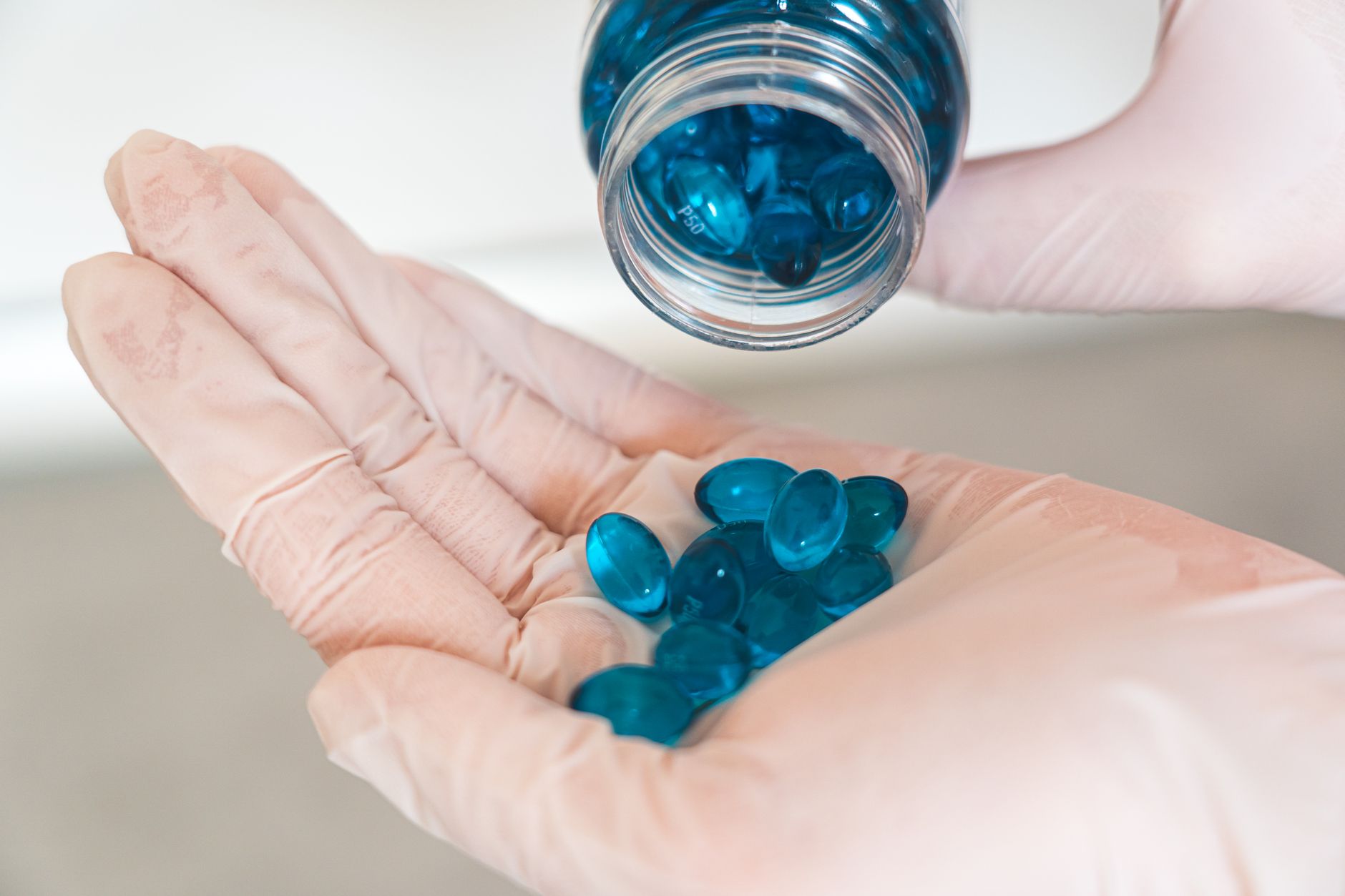
Elahere, a prescription medication containing the active ingredient mirvetuximab soravtansine-gynx, is a vital treatment option for adults battling certain types of cancer. Administered intravenously by a healthcare professional, Elahere plays a crucial role in cancer therapy. However, like many potent medications, it has the potential to interact with other substances, including certain drugs and even alcohol, which can alter its effectiveness or increase the risk of side effects. This guide aims to provide a clear, practical understanding of Elahere's potential interactions, focusing on information relevant to patients in India.
Elahere is specifically approved for treating certain forms of ovarian, fallopian tube, and primary peritoneal cancer in adults. Its active component, mirvetuximab soravtansine-gynx, is designed to target and combat cancer cells. It is administered as an intravenous (IV) infusion, meaning it is given directly into a vein over a period of time. The designation "-gynx" in the name signifies its unique status as a distinct drug, differentiating it from similar medications that might be developed in the future.
A drug interaction occurs when one substance influences how another substance works in the body. This can lead to unexpected effects, either by reducing the effectiveness of a medication or by increasing the likelihood or severity of side effects. It's crucial to be aware of these potential interactions to ensure the safety and efficacy of your treatment. Elahere can interact with various medications, and in some cases, certain pre-existing health conditions can also increase the risk of adverse events.
While Elahere is not known to have direct chemical interactions with alcohol, consuming alcohol during treatment can exacerbate certain side effects. Both Elahere and alcohol can independently cause symptoms such as nausea and fatigue (a feeling of low energy). Therefore, if you drink alcohol while undergoing Elahere treatment, you might experience these side effects more intensely. It is always best to discuss your alcohol consumption habits with your doctor or pharmacist to make informed decisions about your health during treatment.
Elahere can interact with several classes of medications. Your doctor will carefully consider your current medications and health history before prescribing Elahere. Here are some key interactions to be aware of:
Certain antifungal drugs used to treat fungal infections can interact with Elahere. Examples include:
If you are taking Elahere and require treatment for a fungal infection with these medications, your doctor will monitor you closely for any signs of increased side effects. It is essential to inform your doctor about all medications you are taking, including over-the-counter drugs and herbal supplements.
Some medications used to manage Human Immunodeficiency Virus (HIV) can also interact with Elahere. These include:
When Elahere is prescribed alongside these HIV medications, your doctor will pay close attention to your response to Elahere to manage potential side effects effectively.
Elahere can interact with specific heart medications, such as:
These drugs are commonly prescribed for conditions like high blood pressure, angina (chest pain), and certain heart rhythm disorders. Taking Elahere with diltiazem or verapamil can increase the concentration of Elahere in your body, potentially leading to a higher risk of side effects.
In some situations, certain health conditions or other factors may make it unsafe for you to take Elahere. These are known as contraindications. Your doctor will assess your overall health to determine if Elahere is the right treatment for you. Always be open with your doctor about any pre-existing medical conditions you have.
It is crucial for women undergoing Elahere treatment to understand its implications for breastfeeding. You should not breastfeed during Elahere therapy and for at least one month after your last dose. If you are breastfeeding or planning to do so, discuss your options with your doctor. They can provide guidance on safe alternatives and manage your treatment plan accordingly.
Open communication with your healthcare provider is paramount throughout your treatment with Elahere. You should consult your doctor or pharmacist immediately if:
Your doctor is your best resource for personalized advice and management of your Elahere treatment. They can help you navigate potential interactions and ensure you receive the safest and most effective care possible.
Elahere is a powerful medication used in the fight against certain cancers. Understanding its potential interactions with other drugs, alcohol, and its implications for breastfeeding is essential for patients. By staying informed and maintaining open communication with your healthcare team, you can manage your treatment effectively and minimize risks. Always rely on your doctor's advice for personalized medical guidance.
Visit Hospital
Near You

Confused about whether CBD can get you high? Understand the difference between CBD and THC, their effects on your body, and what to look for in safe, non-intoxicating CBD products.
April 1, 2026

Learn about anticoagulants and antiplatelet drugs, often called blood thinners. Understand how they prevent blood clots, when they're prescribed, their side effects, and essential safety tips for Indian readers.
April 1, 2026

Confused about Plan B and abortion pills? Understand the key differences, how they work, and their effectiveness for informed reproductive health decisions.
April 1, 2026