

Emergency & Help
24/7 Emergency & General Advisory
🚨 24/7 Medical Emergency
Non-Emergency Advisory
10:00 AM – 6:00 PM, Mon–Sat
For appointments & general queries.
24/7 Emergency & General Advisory
🚨 24/7 Medical Emergency
Non-Emergency Advisory
10:00 AM – 6:00 PM, Mon–Sat
For appointments & general queries.
Stay updated with our latest healthcare news and your appointments.
A comprehensive guide to Femara (letrozole) for Indian readers, covering its uses in breast cancer treatment, how it works, dosage, side effects, and management strategies.
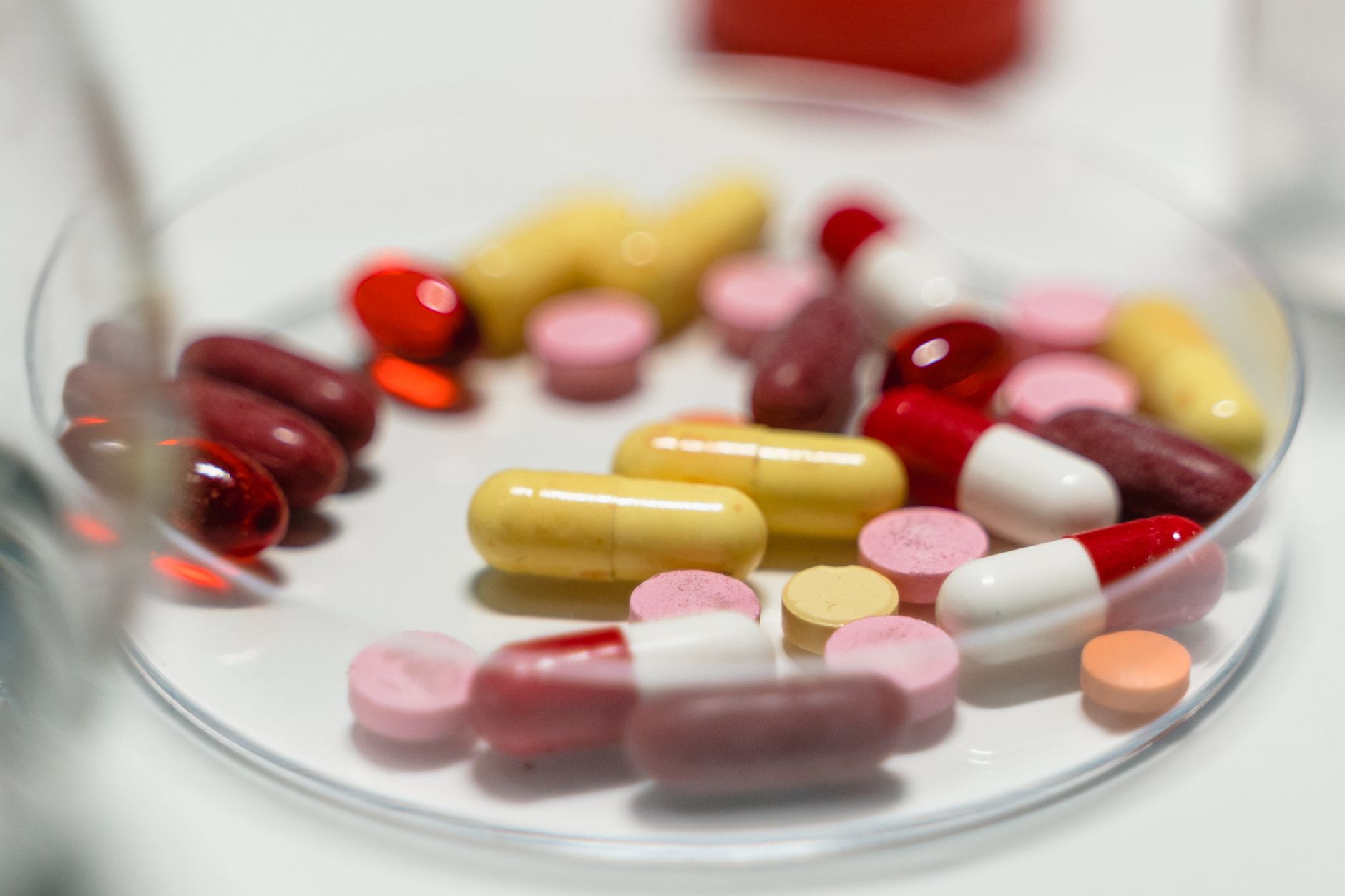
Facing breast cancer is one of the most challenging journeys a woman can undertake. In India, where awareness and treatment options are continually evolving, understanding the medications used in this fight is paramount. Femara, with its active ingredient letrozole, stands as a significant player in hormone therapy for specific types of breast cancer. This article aims to provide a clear, practical, and empathetic guide to Femara for Indian readers, covering its uses, how it works, potential side effects, and what you can expect during treatment. What is Femara (Letrozole)? Femara is a prescription medication belonging to a class of drugs known as aromatase inhibitors. Its active component, letrozole, is also available as a generic drug. Think of it as a targeted therapy. It works by reducing the amount of estrogen your body produces. Why is this important? Because certain breast cancers, particularly hormone receptor-positive (HR+) or those with unknown HR status, rely on estrogen to grow. By lowering estrogen levels, Femara effectively helps to slow down or stop the growth of these cancer cells. In India, Femara is primarily prescribed for postmenopausal women diagnosed with specific types of breast cancer. This includes early-stage breast cancer that has previously been treated with surgery and tamoxifen (another common breast cancer drug) for at least five years. It is also used for hormone receptor-positive or HR status unknown breast cancer. The goal here is to significantly reduce the risk of the cancer returning after initial treatment. How Does Femara Work? To understand Femara's mechanism, we need a little biology lesson. In premenopausal women, ovaries are the primary source of estrogen. However, after menopause, the body's main source of estrogen becomes a group of enzymes called aromatase, which convert androgens (male hormones) into estrogens in tissues like fat, muscle, and the adrenal glands. Aromatase inhibitors, like Femara, block the action of these aromatase enzymes. By inhibiting aromatase, Femara dramatically lowers circulating estrogen levels, thereby starving hormone-sensitive breast cancer cells of the fuel they need to proliferate. This targeted approach makes Femara a powerful tool. Unlike traditional chemotherapy that affects rapidly dividing cells throughout the body, Femara specifically targets estrogen-dependent cancer growth. This often translates to a more manageable side effect profile for many patients, although side effects are still a significant consideration. Femara Dosage and Administration Femara comes in tablet form, typically containing 2.5 milligrams (mg) of letrozole. The standard dosage prescribed by doctors in India, and indeed worldwide, is one tablet taken by mouth once daily. It's crucial to take Femara exactly as your doctor prescribes. Do not skip doses, double up on doses, or stop taking the medication without consulting your healthcare provider. Consistency is key in ensuring the medication works effectively to manage your condition. The duration of Femara treatment can vary. Many women take Femara for at least five years. Some may continue for longer periods depending on their individual response to treatment and their doctor's recommendation. Your oncologist will monitor your progress closely and make informed decisions about the length of your therapy. If you have concerns about stopping treatment after five years, a conversation with your doctor is the best course of action. Potential Side Effects of Femara Like all medications, Femara can cause side effects. While many are mild and manageable, some can be serious. It's vital to be aware of these possibilities so you can report any changes to your doctor promptly. The occurrence and severity of side effects can depend on individual factors, including your overall health, other medications you might be taking, and your specific medical condition. Common Mild Side Effects: Hot flashes (flushes): A temporary feeling of warmth, redness, or a deepening of skin color. This is one of the most frequently reported side effects. Swelling: You might notice swelling, particularly in your arms, hands, feet, or legs. Joint pain and stiffness: Aches or discomfort in your joints. Fatigue: Feeling unusually tired or lacking energy. Headaches: Mild to moderate head pain. Nausea: Feeling sick to your stomach. Increased sweating: Sweating more than usual. Hair thinning: A noticeable decrease in hair volume. Vaginal dryness: Discomfort or dryness in the vaginal area. Most mild side effects tend to diminish over time, often within a few days or weeks of starting the medication. However, if these symptoms become bothersome or persistent, don't hesitate to discuss them with your doctor or pharmacist. They can offer strategies to alleviate discomfort. Serious Side Effects to Watch For: While less common, serious side effects can occur. Prompt medical attention is necessary if you experience any of the following: Severe allergic reaction: Symptoms can include rash, itching/swelling (especially of the face/tongue/throat), severe dizziness, or trouble breathing. If you suspect an allergic reaction, seek immediate medical help. Bone fractures: Femara can sometimes affect bone density. If you experience unusual bone pain or suspect a fracture, consult your doctor. Liver problems: Symptoms might include persistent nausea/vomiting, loss of appetite, stomach/abdominal pain, yellowing of the eyes/skin, or dark urine. Blood clots: Though rare, signs like sudden shortness of breath, chest pain, or swelling/pain in a leg can indicate a blood clot. Cardiovascular issues: While less common, any new or worsening heart problems should be reported. Important Note for Indian Readers: Always keep your doctor and pharmacist informed about any new or worsening symptoms. They are your primary resource for managing side effects effectively and safely within the Indian healthcare context. Managing Side Effects Dealing with side effects is a significant part of any cancer treatment. Here are some practical tips: Headaches: For mild headaches, applying an ice pack or heating pad to your head for about 10 minutes several times a day can help. A warm shower or bath might also offer relief. If headaches are severe or persistent, inform your doctor. Hot flashes: Dress in layers, wear breathable fabrics, and keep cool drinks handy. Practicing relaxation techniques like deep breathing can also be beneficial. Joint pain: Gentle exercise, as approved by your doctor, may help maintain joint flexibility. Over-the-counter pain relievers might be recommended by your doctor. Fatigue: Pace yourself throughout the day. Prioritize rest when needed. Gentle walks can sometimes help combat fatigue. Femara vs. Tamoxifen You might hear about Tamoxifen when discussing Femara. Both are used in breast cancer treatment, but they work differently. Tamoxifen is a Selective Estrogen Receptor Modulator (SERM). It blocks estrogen's effects in breast tissue but can act like estrogen in other tissues. Femara, as an aromatase inhibitor, reduces the total amount of estrogen produced in the body after menopause. Often, doctors prescribe Tamoxifen first, and then switch to Femara after several years of Tamoxifen treatment to further reduce recurrence risk. Your doctor will determine the best sequence for you. When to Consult a Doctor Immediate medical attention is necessary if you experience: Signs of a severe allergic reaction. Sudden, severe headache, dizziness, or confusion. Chest pain or shortness of breath. Sudden weakness or numbness in an arm or leg. Vision changes. Signs of liver problems (jaundice, dark urine, severe nausea). Any other symptom that feels like a medical emergency. You should also contact your doctor if you experience side effects that are persistent, severe, or significantly impact your quality of life. Regular follow-up appointments are essential for monitoring your health and treatment progress. Prevention and Lifestyle Considerations While Femara is a medical treatment, adopting a healthy lifestyle can complement your therapy and improve overall well-being. Consider these aspects: Nutrition: Focus on a balanced diet rich in fruits, vegetables, and whole grains. Consult a nutritionist for personalized advice, especially considering dietary recommendations in India. Exercise: Engage in regular physical activity as approved by your doctor. This can help manage weight, improve mood, and potentially reduce bone loss. Bone Health: Discuss bone density monitoring and calcium/Vitamin D intake with your doctor. Mental Wellness: Cancer treatment can be emotionally taxing. Seek support from family, friends, support groups, or mental health professionals. Frequently Asked Questions (FAQ) Q1: Can men take Femara? Femara is approved for treating certain types of breast cancer in postmenopausal women. Its use in men is generally off-label and would be under strict medical supervision for specific conditions, often related to hormonal imbalances or certain cancer types. Always consult a doctor. Q2: How long does Femara stay in your system? Femara has a half-life of about 2 days. This means it takes approximately 2 days for the level of the drug in your body to reduce by half. It takes longer for the drug to be completely eliminated. Q3: Can I drink alcohol while taking Femara? Alcohol consumption can sometimes exacerbate side effects like hot flashes and may impact overall health. It's best to discuss alcohol intake with your doctor. They can provide guidance based on your specific health status. Q4: What happens if I miss a dose of Femara? If you miss a dose, take it as soon as you remember, unless it's almost time for your next scheduled dose. In that case, skip the missed dose and continue with your regular dosing schedule. Do not
In summary, timely diagnosis, evidence-based treatment, and prevention-focused care improve long-term health outcomes.
Visit Hospital
Near You

Confused about whether CBD can get you high? Understand the difference between CBD and THC, their effects on your body, and what to look for in safe, non-intoxicating CBD products.
April 1, 2026

Learn about anticoagulants and antiplatelet drugs, often called blood thinners. Understand how they prevent blood clots, when they're prescribed, their side effects, and essential safety tips for Indian readers.
April 1, 2026

Confused about Plan B and abortion pills? Understand the key differences, how they work, and their effectiveness for informed reproductive health decisions.
April 1, 2026