

Emergency & Help
24/7 Emergency & General Advisory
🚨 24/7 Medical Emergency
Non-Emergency Advisory
10:00 AM – 6:00 PM, Mon–Sat
For appointments & general queries.
24/7 Emergency & General Advisory
🚨 24/7 Medical Emergency
Non-Emergency Advisory
10:00 AM – 6:00 PM, Mon–Sat
For appointments & general queries.
Stay updated with our latest healthcare news and your appointments.
Explore the potential benefits and mixed research on using fish oil supplements for dry eyes. Learn about omega-3 fatty acids, how they might help, and when to consult your doctor.
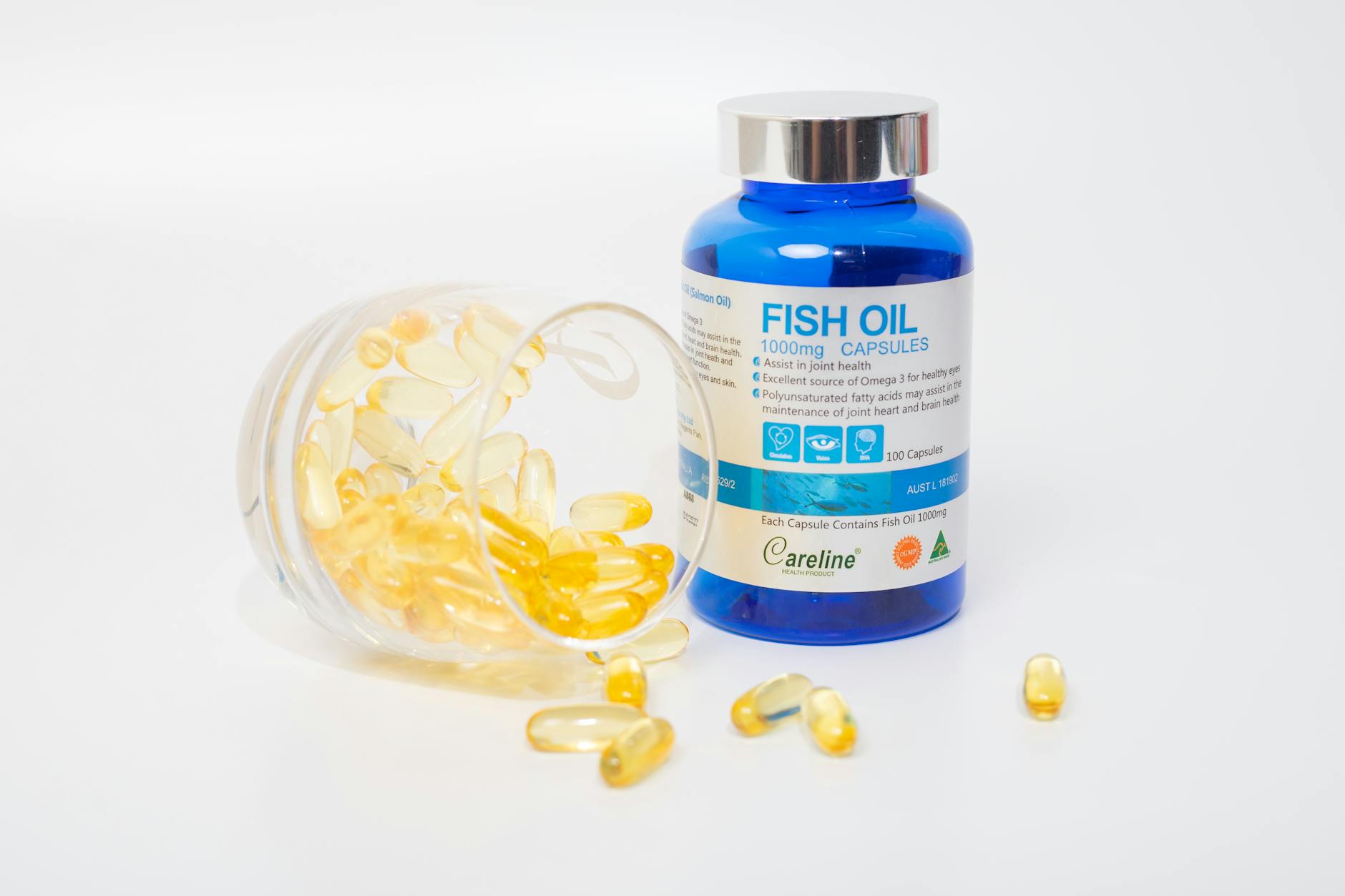
Many people in India experience dry eyes, a common condition that can be uncomfortable and affect vision. You might have tried over-the-counter (OTC) eye drops or even prescription medications. But what about natural remedies? Fish oil, rich in omega-3 fatty acids, is often suggested for various health benefits, including eye health. But does it truly work for dry eyes? Let's explore what the science says, keeping in mind the Indian context and common concerns.
Before diving into fish oil, let's understand what dry eyes are. Your eyes are constantly lubricated by tears, which are a complex mix of water, oil, and mucus. This delicate balance is essential for clear vision and protecting your eyes from dust and debris. When this balance is disrupted, either by producing too few tears or tears that evaporate too quickly, you get dry eyes.
Symptoms can range from a mild grittiness or burning sensation to significant discomfort, blurred vision, and even increased sensitivity to light. Several factors can contribute to dry eyes, including:
Imagine this: You've been working on your laptop for hours, preparing for a big presentation. Suddenly, your eyes start to feel gritty and watery, and your vision blurs slightly. You rub them, but it only makes the discomfort worse. This is a classic scenario many experience daily.
Fish oil is derived from the tissues of oily fish like salmon, mackerel, and sardines. It's a rich source of two vital omega-3 fatty acids: eicosapentaenoic acid (EPA) and docosahexaenoic acid (DHA). These fatty acids are not produced by our bodies in sufficient amounts, so we need to get them from our diet.
EPA and DHA are fundamental components of our cell membranes and play a role in many bodily functions, including reducing inflammation. This anti-inflammatory property is why fish oil is often explored for conditions involving inflammation, like dry eyes.
The theory behind using fish oil for dry eyes centres on its omega-3 content. Here’s how it might work:
This is where things get a bit complex. While the idea of fish oil for dry eyes is appealing, the scientific evidence is mixed. Some studies suggest a benefit, while others show little to no improvement.
A notable study called the DREAM study (Dry Eye Assessment and Management) found that participants with dry eyes who took omega-3 supplements for a year and then stopped for another year did not experience a significant worsening of their symptoms compared to those who continued the supplements. This suggests that while omega-3s might not be harmful, their long-term benefit for everyone with dry eyes isn't definitively proven.
Some earlier research hinted at potential risks, such as a link between certain fatty acids and prostate cancer. However, more recent studies have not affirmed this connection, and some even suggest omega-3s might offer protective benefits against certain diseases. Similarly, the evidence linking omega-3s to reduced risk of stroke or sudden death is not consistently strong.
You can increase your omega-3 intake through diet or supplements. Eating oily fish a couple of times a week is recommended by health organisations like the American Heart Association.
For example, about 3-4 ounces of salmon can provide a good amount of omega-3s. If you don't eat fish, or if you're looking for a more concentrated dose, fish oil supplements are readily available. These typically contain around 300 milligrams (mg) of omega-3s per capsule, but the dosage can vary significantly.
For those who prefer to avoid fish or are vegetarian/vegan, algae-based supplements offer a plant-derived source of DHA and EPA.
The National Institutes of Health (NIH) suggests a daily intake of 1.1 to 1.6 grams (g) of omega-3 fatty acids. The American Heart Association recommends eating fish twice a week. If you're considering supplements, the amount of EPA and DHA can vary, so check the label carefully. It's important not to overdo it, as excessive intake can potentially lead to issues like increased bleeding risk.
Given the mixed research and the availability of other treatments, it's always best to talk to your doctor or an eye specialist (ophthalmologist) before starting fish oil supplements for dry eyes. They can help you understand if it's appropriate for your specific situation, especially considering your overall health and any other medications you might be taking.
Your doctor can also discuss other proven treatments for dry eyes, which may include:
While generally considered safe for most people when taken in recommended doses, fish oil supplements can have side effects. These may include:
In higher doses, fish oil can thin the blood, increasing the risk of bleeding. This is particularly important if you are on blood-thinning medications like warfarin or aspirin, or if you are scheduled for surgery.
For dry eyes, fish oil might offer some benefits, especially due to its anti-inflammatory properties and potential to improve tear film quality. However, it's not a guaranteed solution, and the scientific evidence is not conclusive. It's best viewed as a potential complementary therapy rather than a primary treatment.
Always consult your eye doctor to get a proper diagnosis and discuss the most effective treatment plan for your dry eyes. They can guide you on whether fish oil is a suitable addition to your regimen, along with conventional therapies.
Visit Hospital
Near You

Confused about whether CBD can get you high? Understand the difference between CBD and THC, their effects on your body, and what to look for in safe, non-intoxicating CBD products.
April 1, 2026

Learn about anticoagulants and antiplatelet drugs, often called blood thinners. Understand how they prevent blood clots, when they're prescribed, their side effects, and essential safety tips for Indian readers.
April 1, 2026

Confused about Plan B and abortion pills? Understand the key differences, how they work, and their effectiveness for informed reproductive health decisions.
April 1, 2026