

Emergency & Help
24/7 Emergency & General Advisory
🚨 24/7 Medical Emergency
Non-Emergency Advisory
10:00 AM – 6:00 PM, Mon–Sat
For appointments & general queries.
24/7 Emergency & General Advisory
🚨 24/7 Medical Emergency
Non-Emergency Advisory
10:00 AM – 6:00 PM, Mon–Sat
For appointments & general queries.
Stay updated with our latest healthcare news and your appointments.
A comprehensive guide to Invokana (canagliflozin) for Indian patients with type 2 diabetes, covering uses, side effects, dosage, and lifestyle management.
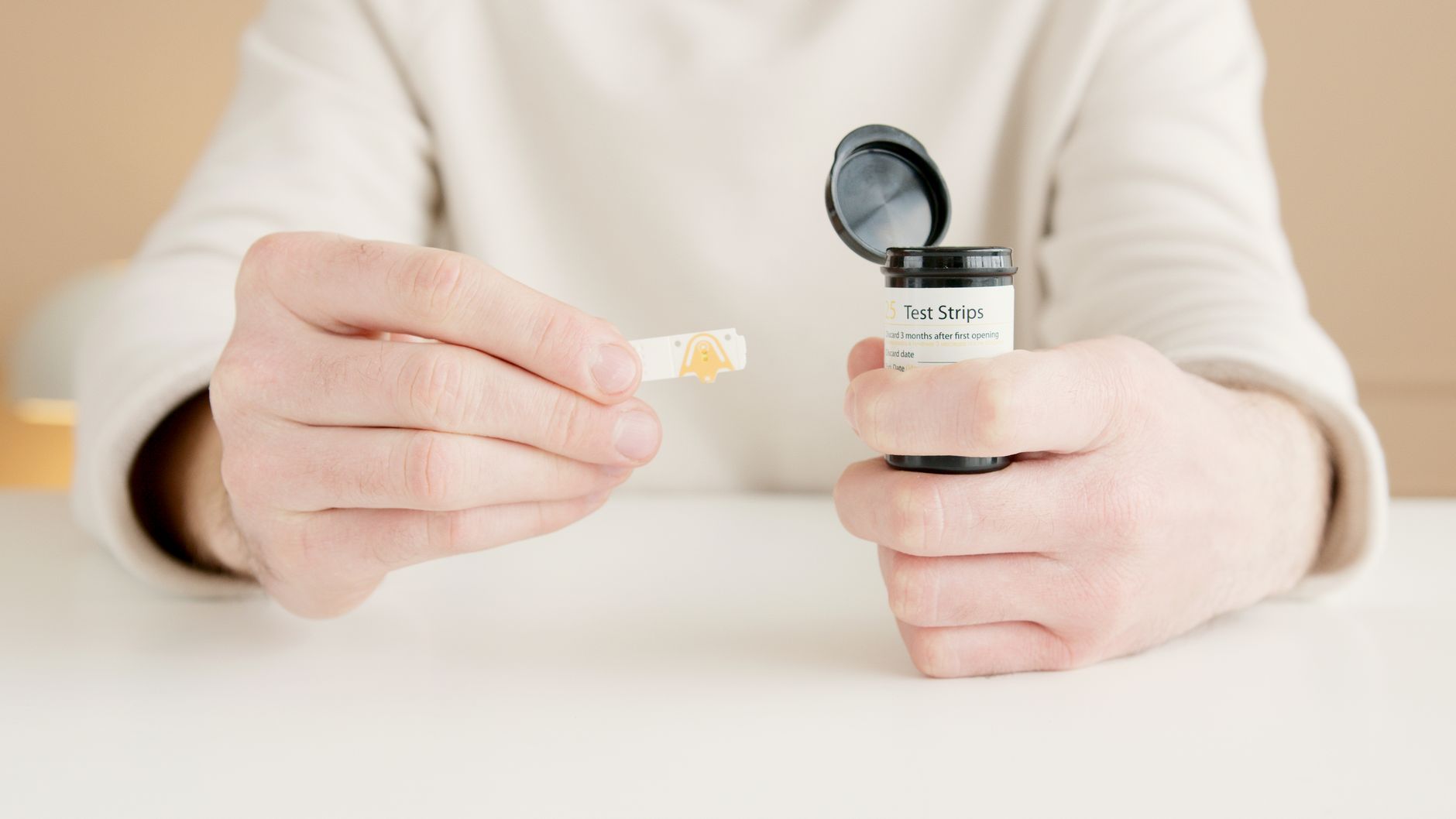
Diabetes, a pervasive health concern in India, demands vigilant management. For individuals navigating type 2 diabetes, understanding treatment options is paramount. Invokana, a prescription medication containing the active drug canagliflozin, emerges as a significant player in this landscape. It belongs to a class of drugs known as sodium-glucose transport protein 2 (SGLT2) inhibitors. These medications work differently from older diabetes drugs, offering a new avenue for blood sugar control and even protecting against certain diabetes-related complications. This guide aims to demystify Invokana for our readers across India. We will explore its uses, how it functions, potential side effects (both common and serious), dosage information, and what to expect when considering this treatment. Remember, this information is for educational purposes and should not replace a consultation with your healthcare provider. Your doctor, armed with your specific health profile, remains the best source of guidance. What is Invokana and How Does It Work? Invokana’s active ingredient is canagliflozin. As an SGLT2 inhibitor, it targets a specific protein in your kidneys responsible for reabsorbing sugar back into your bloodstream. By blocking SGLT2, Invokana essentially tells your kidneys to excrete more sugar through your urine. This action leads to a reduction in your blood glucose levels. It's a fascinating mechanism that utilizes your body's natural processes to achieve better diabetes control. Beyond just lowering blood sugar, Invokana has demonstrated benefits in managing cardiovascular health and protecting kidney function in certain individuals with type 2 diabetes. This dual action makes it a valuable tool for a more holistic approach to diabetes management, addressing not just the sugar levels but also the significant risks associated with the condition. Key Uses of Invokana: Blood Sugar Management: The primary role of Invokana is to help adults with type 2 diabetes achieve better control over their blood glucose levels, especially when used in conjunction with a healthy diet and regular exercise. Cardiovascular Risk Reduction: For individuals who already have established cardiovascular disease, Invokana can help lower the risk of serious heart-related events like heart attack and stroke. Kidney Protection: Invokana is also prescribed to reduce the risk of certain complications arising from diabetic nephropathy, which is kidney damage caused by diabetes. This protective effect on the kidneys is a significant advantage. Dosage and Administration Invokana is available in tablet form and is taken orally. The typical strengths prescribed are 100 mg and 300 mg. Your doctor will determine the appropriate dosage based on your individual needs, medical history, and how well you respond to the medication. It's crucial to take Invokana exactly as prescribed by your doctor. Do not alter the dosage or stop taking the medication without consulting your doctor first. Typically, Invokana is taken once a day, often before your first meal. However, always follow your doctor’s specific instructions regarding timing and administration. Consistency is key to achieving the best therapeutic outcomes. Potential Side Effects: What to Watch For Like all medications, Invokana can cause side effects. While many are mild and temporary, it’s important to be aware of the potential for more serious reactions. Open communication with your doctor about any new or bothersome symptoms is essential. Common Mild Side Effects: These side effects often resolve on their own within a few days or weeks. If they persist or become troublesome, seek medical advice. Increased urination (polyuria) Genital yeast infections (thrush) in both men and women Urinary tract infections (UTIs) Increased thirst Constipation Nausea Dizziness Serious Side Effects: A Cause for Concern While less common, serious side effects require immediate medical attention. If you experience any of the following, stop taking Invokana and contact your doctor immediately. If you believe you are experiencing a life-threatening emergency, call your local emergency services (like 108 or 112 in India) without delay. Diabetic Ketoacidosis (DKA): This is a serious condition where there is a high level of ketones in your blood or urine. Symptoms can include nausea, vomiting, stomach pain, unusual tiredness, and difficulty breathing. DKA requires urgent hospital treatment. Severe Urinary Tract Infections (UTIs): This can include severe kidney infections or urosepsis, where the infection spreads from the urinary tract into the bloodstream. Symptoms may include fever, chills, pain in your back or side, and painful urination. Dehydration: Low fluid levels can lead to low blood pressure and kidney damage. Symptoms include dizziness, lightheadedness, and extreme thirst. Fournier’s Gangrene: This is a rare but severe bacterial infection of the tissue in the genital area. It requires immediate medical and surgical intervention. Symptoms include severe pain, redness, swelling, and tenderness in the genital area, along with fever. Increased Risk of Lower Limb Amputation: Although rare, some studies have indicated a potential increased risk of amputation, particularly of the lower limbs, in patients taking Invokana. Discuss this risk with your doctor. Allergic Reactions: Signs of an allergic reaction can include rash, itching, swelling of the face, tongue, or throat, severe dizziness, and trouble breathing. Side Effect Focus: Diabetic Ketoacidosis (DKA) DKA is a critical complication that can occur with SGLT2 inhibitors like Invokana, even if your blood sugar levels are not extremely high. The symptoms can be subtle and include persistent nausea, vomiting, abdominal pain, and fatigue. If you experience these, especially in combination, do not ignore them. Prompt medical evaluation is vital. Side Effect Focus: Fournier’s Gangrene This is a medical emergency. Any signs of severe infection, pain, or tissue changes in the genital area, accompanied by fever, warrant immediate medical attention. Early diagnosis and treatment are essential to prevent severe complications. Interactions with Other Medications Invokana can interact with other medications, potentially affecting its efficacy or increasing the risk of side effects. It’s imperative to inform your doctor about all the medications you are currently taking, including: Other diabetes medications (like insulin, metformin, sulfonylureas) Diuretics (water pills) Blood pressure medications Certain antibiotics Any over-the-counter drugs, herbal supplements, or traditional remedies you might be using. Your doctor will assess these interactions and adjust your treatment plan as needed. For instance, if you are taking insulin or medications that increase insulin levels, your doctor might lower the dose of those medications to reduce the risk of hypoglycemia (low blood sugar). Invokana vs. Other Diabetes Medications Invokana belongs to the SGLT2 inhibitor class. Other drugs in this class include dapagliflozin (Farxiga) and empagliflozin (Jardiance). These share similar mechanisms of action but may have slightly different side effect profiles or additional benefits. Your doctor will choose the most appropriate medication based on your specific health needs and risk factors. Invokana is also sometimes compared to GLP-1 receptor agonists, such as semaglutide (Ozempic) and dulaglutide (Trulicity). These work through different pathways to manage blood sugar and may offer distinct benefits, particularly for weight management and cardiovascular risk reduction. The choice between these classes of drugs is a decision made in consultation with your healthcare provider. Prevention and Lifestyle Adjustments While Invokana is a powerful tool, it is most effective when integrated into a comprehensive diabetes management plan. Lifestyle plays a starring role: Diet: Embrace a balanced diet rich in whole grains, lean proteins, fruits, and vegetables. Limit processed foods, sugary drinks, and excessive saturated fats. Consult a nutritionist for a personalized meal plan suitable for Indian cuisine. Exercise: Aim for regular physical activity. This could include brisk walking, yoga, swimming, or any activity you enjoy. Even 30 minutes most days of the week makes a difference. Weight Management: If you are overweight, even a modest weight loss can significantly improve blood sugar control and reduce the burden on your body. Regular Monitoring: Keep a close eye on your blood glucose levels as advised by your doctor. When to Consult a Doctor You should consult your doctor immediately if you experience any of the following: Symptoms of diabetic ketoacidosis (DKA). Signs of a severe urinary tract infection (UTI). Symptoms of dehydration. Signs of Fournier’s gangrene. Any signs of an allergic reaction to Invokana. New or worsening kidney problems. Sudden, unexplained pain in your legs or feet. Any other side effect that concerns you or does not improve. Regular follow-up appointments with your doctor are essential to monitor your progress, assess for side effects, and make any necessary adjustments to your treatment plan. Frequently Asked Questions (FAQ) Q1: Is Invokana available in generic form in India? As of now, Invokana is not available in a generic form. It is sold under the brand name Invokana. Q2: Can Invokana be taken with other diabetes medications? Yes, Invokana is often prescribed along with other diabetes medications, such as metformin or insulin. However, your doctor will adjust dosages to prevent dangerously low blood sugar levels (hypoglycemia). Q3: What should I do if I miss a dose of Invokana? If you miss a dose, take it as soon as you remember, unless it is almost time for your next dose. In that case, skip the missed dose and continue with your regular dosing schedule. Do not take a double dose to make up for a missed one. Q4: Does Invokana cause weight loss? Some people taking Invokana may experience
In summary, timely diagnosis, evidence-based treatment, and prevention-focused care improve long-term health outcomes.
Visit Hospital
Near You

Confused about whether CBD can get you high? Understand the difference between CBD and THC, their effects on your body, and what to look for in safe, non-intoxicating CBD products.
April 1, 2026

Learn about anticoagulants and antiplatelet drugs, often called blood thinners. Understand how they prevent blood clots, when they're prescribed, their side effects, and essential safety tips for Indian readers.
April 1, 2026

Confused about Plan B and abortion pills? Understand the key differences, how they work, and their effectiveness for informed reproductive health decisions.
April 1, 2026