

Emergency & Help
24/7 Emergency & General Advisory
🚨 24/7 Medical Emergency
Non-Emergency Advisory
10:00 AM – 6:00 PM, Mon–Sat
For appointments & general queries.
24/7 Emergency & General Advisory
🚨 24/7 Medical Emergency
Non-Emergency Advisory
10:00 AM – 6:00 PM, Mon–Sat
For appointments & general queries.
Stay updated with our latest healthcare news and your appointments.
Levemir (insulin detemir) is a long-acting insulin used to manage blood sugar levels in adults and children with type 1 and type 2 diabetes. Learn about its dosage, forms, and how it's adjusted.
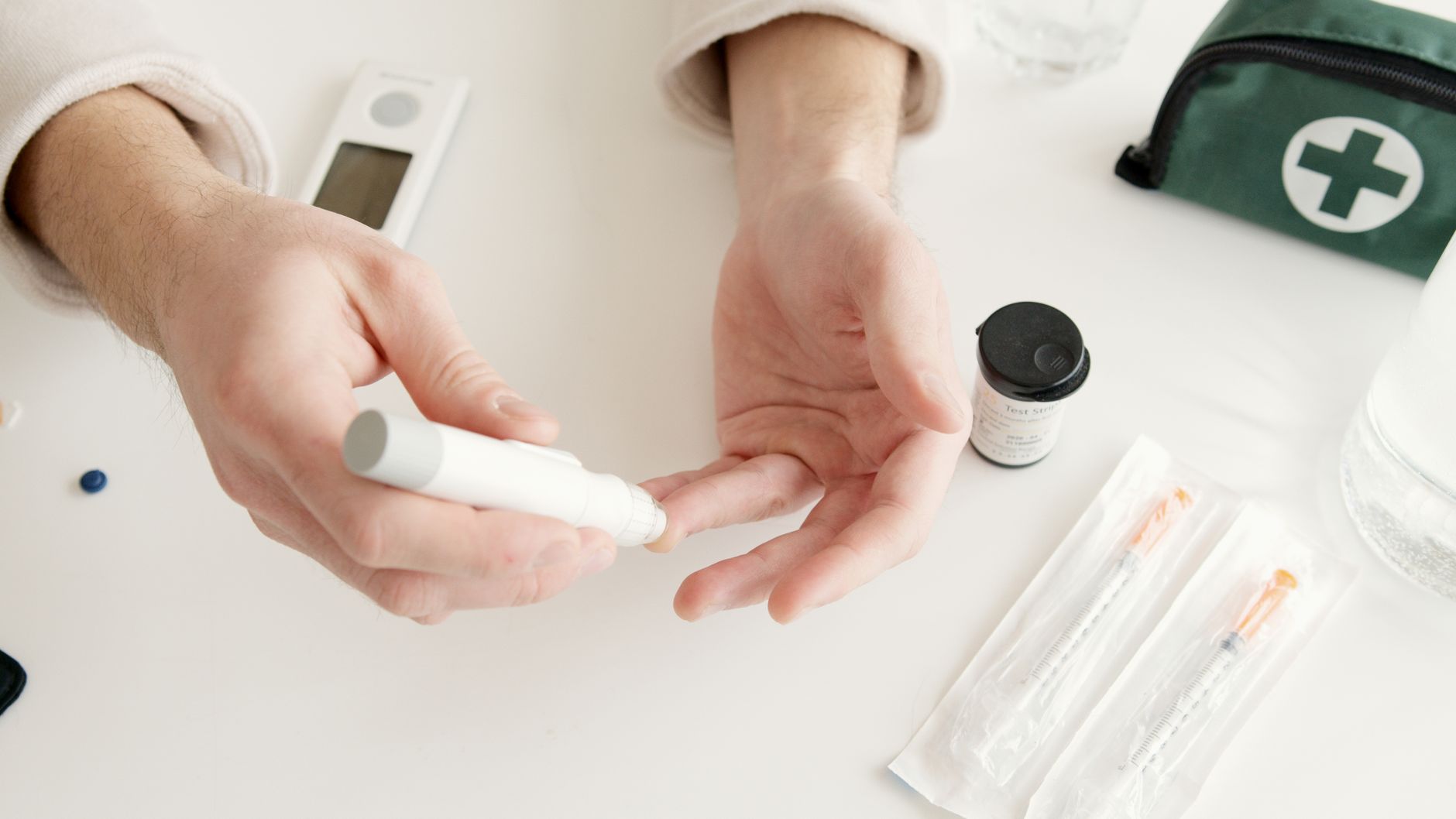
Managing diabetes effectively is a lifelong journey, and for many, insulin therapy forms a cornerstone of this management. Levemir, known medically as insulin detemir, is a long-acting insulin that plays a significant role in helping individuals with type 1 and type 2 diabetes maintain stable blood sugar levels. It's a prescription medication, meaning it's not something you can pick up over the counter; your doctor's guidance is paramount. Levemir is administered via injection, typically once a day, and is designed to provide a basal (background) level of insulin throughout the day and night.
The primary goal of Levemir is to mimic the body's natural insulin production, providing a steady release of insulin to control glucose levels. This is particularly important for individuals whose bodies don't produce enough insulin or can't use insulin effectively. By keeping blood sugar levels within a target range, Levemir helps reduce the risk of serious diabetes-related complications such as heart disease, kidney damage, nerve problems, and eye issues. Understanding how Levemir works, its dosages, and how it fits into your overall diabetes care plan is essential for achieving the best possible health outcomes.
Levemir is a man-made version of insulin detemir, a naturally occurring hormone. It belongs to a class of insulins known as long-acting insulins. Unlike rapid-acting insulins that you take before meals to cover the carbohydrates you eat, Levemir works slowly over a longer period. Its action profile is designed to provide a relatively steady insulin level in your bloodstream for up to 24 hours, though this can vary from person to person.
The way Levemir works is by reducing the amount of glucose (sugar) that your liver produces and releases into your bloodstream. It also helps your body's cells absorb glucose from the blood, thus lowering your blood sugar levels. This sustained action makes it an excellent choice for basal insulin therapy, which is crucial for maintaining stable glucose levels between meals and overnight.
Levemir comes as a liquid solution intended for subcutaneous injection, meaning it's injected just under the skin. You'll find it available in two primary forms:
The strength of Levemir is standardized. It is available in a strength of 100 units of insulin detemir per milliliter (mL) of solution. This strength is commonly abbreviated as U-100. This means that each mL of Levemir contains 100 units of active insulin.
For individuals with type 1 diabetes, Levemir is almost always used as part of a broader insulin regimen. Type 1 diabetes means your pancreas produces little to no insulin. Therefore, you need to replace this missing insulin entirely. Levemir, being a long-acting insulin, provides the essential background insulin. However, it's not sufficient on its own. You will also need to use a rapid-acting insulin taken before meals to cover the carbohydrates you consume and to correct high blood sugar readings.
The specific dosage of Levemir for type 1 diabetes is highly individualized and depends on several factors, including your body weight, your previous insulin use, and your individual response to insulin therapy. Your doctor will carefully assess these factors to determine the right starting dose for you.
Dosing Schedule: For type 1 diabetes, Levemir is usually injected once daily, typically in the evening. However, your doctor might recommend a twice-daily dosing schedule if that better suits your needs and blood sugar control. Consistent timing of your injections is important for maintaining stable blood sugar levels.
Type 2 diabetes is characterized by insulin resistance and/or insufficient insulin production. Levemir can be a very effective tool in managing type 2 diabetes, either on its own or in combination with other diabetes medications, including other types of insulin.
The starting dose of Levemir for type 2 diabetes is often lower than for type 1 diabetes, reflecting the different underlying mechanisms of the condition. Your doctor might:
Combination Therapy: It's important to note that many individuals with type 2 diabetes will be on Levemir alongside oral diabetes medications or other injectable diabetes drugs. Your doctor will tailor the combination and dosages to achieve optimal blood sugar control for you.
Dosing Schedule: Similar to type 1 diabetes, Levemir for type 2 diabetes is usually injected once daily, often in the evening. However, a twice-daily regimen is also an option if your doctor determines it's more appropriate for your treatment plan.
The dosage of Levemir is not static. It's a dynamic process that requires ongoing monitoring and adjustment. Your doctor will work with you to find the lowest effective dose that helps you achieve your blood sugar targets without causing problematic side effects, such as hypoglycemia (low blood sugar).
Key factors influencing dosage adjustments include:
Your doctor will provide personalized instructions based on your monitoring results and treatment goals. Never adjust your dose without consulting your doctor first.
There isn't a universally defined
Overall, early action and medically verified advice remain the safest approach.
Visit Hospital
Near You

Confused about whether CBD can get you high? Understand the difference between CBD and THC, their effects on your body, and what to look for in safe, non-intoxicating CBD products.
April 1, 2026

Learn about anticoagulants and antiplatelet drugs, often called blood thinners. Understand how they prevent blood clots, when they're prescribed, their side effects, and essential safety tips for Indian readers.
April 1, 2026

Confused about Plan B and abortion pills? Understand the key differences, how they work, and their effectiveness for informed reproductive health decisions.
April 1, 2026