

Emergency & Help
24/7 Emergency & General Advisory
🚨 24/7 Medical Emergency
Non-Emergency Advisory
10:00 AM – 6:00 PM, Mon–Sat
For appointments & general queries.
24/7 Emergency & General Advisory
🚨 24/7 Medical Emergency
Non-Emergency Advisory
10:00 AM – 6:00 PM, Mon–Sat
For appointments & general queries.
Stay updated with our latest healthcare news and your appointments.
Learn about Lomotil dosage, how it works, usage for adults and children, and when to consult a doctor for effective diarrhea management.
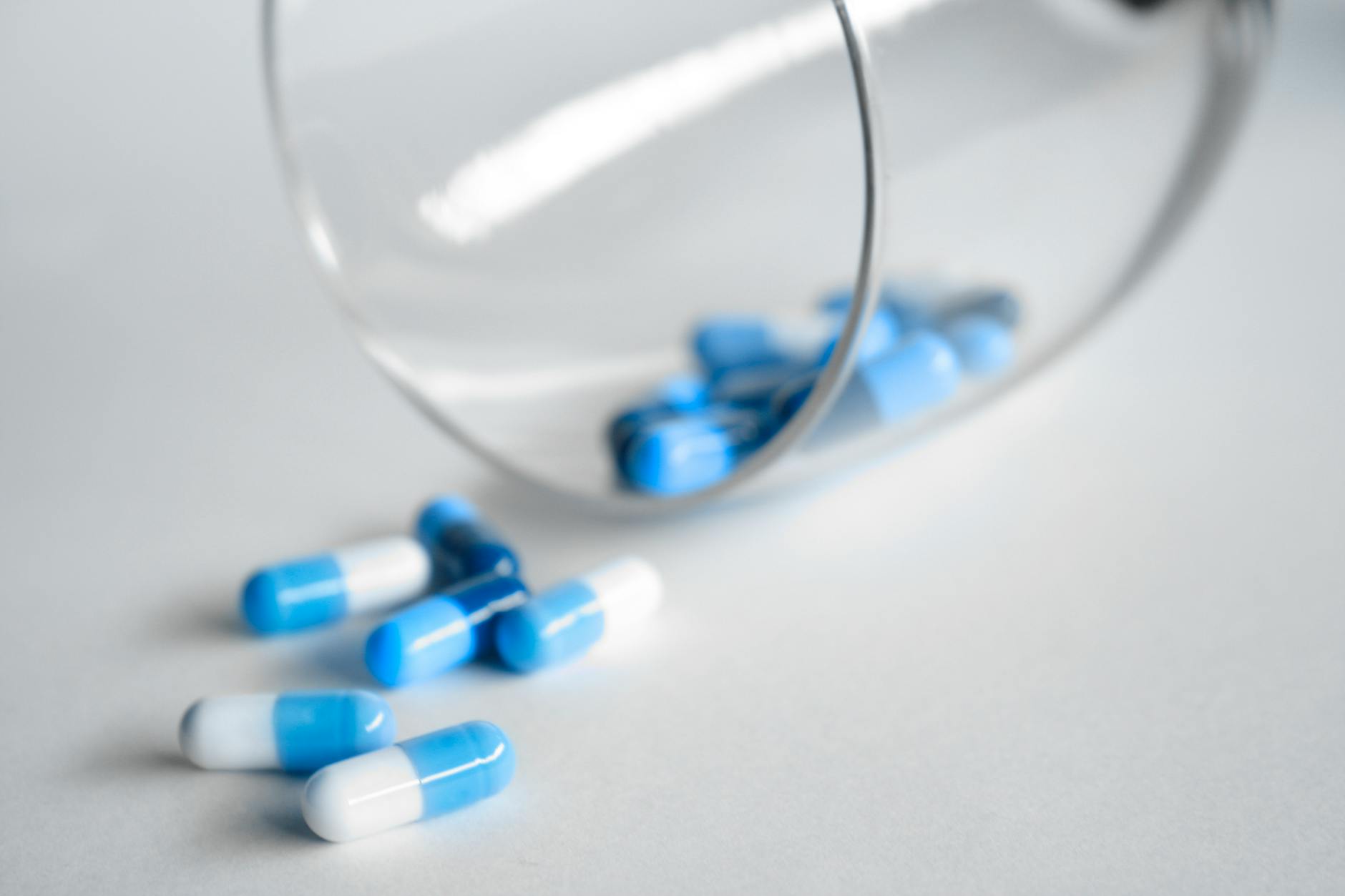
Understanding Lomotil: A Guide to Dosage and Usage for Diarrhea Management Diarrhea can be a distressing and disruptive condition, affecting individuals of all ages. Fortunately, medications like Lomotil are available to help manage its symptoms. Lomotil, a prescription drug, is primarily used to treat diarrhea in adults and certain children. This comprehensive guide aims to provide clear, practical information about Lomotil, focusing on its dosage, how to use it effectively, and crucial aspects of when to consult a healthcare professional. This information is particularly relevant for readers in India, where access to healthcare and medication information is vital. What is Lomotil and How Does It Work? Lomotil is a combination medication that contains two active ingredients: diphenoxylate and atropine sulfate. Diphenoxylate is an opioid that works by slowing down the movement of the intestines, which helps to reduce the frequency of bowel movements and allows the body to absorb more water from the stool, making it firmer. Atropine sulfate is included to discourage misuse of the diphenoxylate component, as it can cause unpleasant side effects like dry mouth and blurred vision if taken in excessive amounts. Lomotil Dosage and Strengths Lomotil is available in a single strength: 2.5 milligrams (mg) of diphenoxylate hydrochloride and 0.025 mg of atropine sulfate per oral tablet. It is crucial to adhere strictly to the dosage prescribed by your doctor, as improper use can lead to adverse effects. Typical Dosage for Adults For adults, the typical starting dosage of Lomotil is two tablets taken four times a day . It is important to note that the maximum daily dose should not exceed eight tablets (equivalent to 20 mg of diphenoxylate) in a 24-hour period. Your doctor will determine the most appropriate dosage based on the severity of your symptoms and your individual response to the medication. Dosage for Children Lomotil can also be used to treat diarrhea in children aged 13 years and older. The dosage for children in this age group is generally the same as for adults. However, it is imperative that a pediatrician or a qualified healthcare provider prescribes and supervises the use of Lomotil in children. Self-medication in children is strongly discouraged. How to Take Lomotil Lomotil tablets can be taken with or without food. It is generally recommended to take the medication as prescribed by your doctor. If you miss a dose, take it as soon as you remember, unless it is almost time for your next scheduled dose. In that case, skip the missed dose and continue with your regular dosing schedule. Do not double up on doses to catch up. When to Expect Results and Duration of Treatment The effectiveness of Lomotil can vary from person to person. In most cases, individuals start to experience improvement in their diarrhea symptoms within 48 hours of starting the medication. This improvement typically manifests as a reduction in the frequency of loose stools and a firmer consistency of the stools. Once your symptoms begin to ease, your doctor will likely adjust your dosage downwards to a maintenance level, which might be as low as two tablets per day, to continue managing your condition without over-medicating. Lomotil is generally intended for short-term use. If your diarrhea symptoms do not improve after 10 days of taking Lomotil, it is essential to consult your doctor. They will likely advise you to stop the medication and discuss alternative treatment options that may be more suitable for your condition. Important Considerations and Precautions Dosage Adjustments: In certain situations, dosage adjustments for Lomotil may be necessary. This is particularly true for individuals with: Liver or Kidney Problems: If you have severe liver or kidney disease, Lomotil may not be safe for you. It is crucial to inform your doctor about any pre-existing liver or kidney conditions before starting Lomotil. Other Medical Conditions: Your doctor will consider your overall health status and any other medical conditions you may have when determining the appropriate dosage. Potential Side Effects: While Lomotil is effective, it can cause side effects. Common side effects may include dry mouth, dizziness, drowsiness, and constipation. If you experience any severe or persistent side effects, contact your doctor immediately. When to Consult a Doctor Immediately It is crucial to seek immediate medical attention in the following situations: Overdose: If you suspect you have taken too much Lomotil, call your doctor right away. You can also contact emergency services or poison control centers. In India, you can reach out to your local emergency number or a poison control center for guidance. Severe Symptoms: If you experience severe symptoms such as severe abdominal pain, fever, bloody stools, or signs of dehydration (e.g., extreme thirst, dry mouth, little or no urination), seek emergency medical help immediately by calling 108 or visiting the nearest hospital emergency room. Lack of Improvement: As mentioned earlier, if your diarrhea does not improve after 10 days of treatment, consult your doctor. Prevention of Diarrhea While Lomotil helps manage diarrhea, preventing it in the first place is always the best approach. Key preventive measures include: Good Hygiene: Frequent handwashing with soap and water, especially before eating and after using the restroom, is critical. Safe Food and Water: Ensure that the food you eat is properly cooked and that the water you drink is clean and safe. In India, be mindful of consuming street food and always opt for boiled or filtered water. Balanced Diet: A healthy
In summary, timely diagnosis, evidence-based treatment, and prevention-focused care improve long-term health outcomes.
Visit Hospital
Near You

Confused about whether CBD can get you high? Understand the difference between CBD and THC, their effects on your body, and what to look for in safe, non-intoxicating CBD products.
April 1, 2026

Learn about anticoagulants and antiplatelet drugs, often called blood thinners. Understand how they prevent blood clots, when they're prescribed, their side effects, and essential safety tips for Indian readers.
April 1, 2026

Confused about Plan B and abortion pills? Understand the key differences, how they work, and their effectiveness for informed reproductive health decisions.
April 1, 2026