

Emergency & Help
24/7 Emergency & General Advisory
🚨 24/7 Medical Emergency
Non-Emergency Advisory
10:00 AM – 6:00 PM, Mon–Sat
For appointments & general queries.
24/7 Emergency & General Advisory
🚨 24/7 Medical Emergency
Non-Emergency Advisory
10:00 AM – 6:00 PM, Mon–Sat
For appointments & general queries.
Stay updated with our latest healthcare news and your appointments.
A comprehensive guide to Metformin for managing type 2 diabetes, covering its uses, how it works, dosage, side effects, and lifestyle integration for Indian readers.
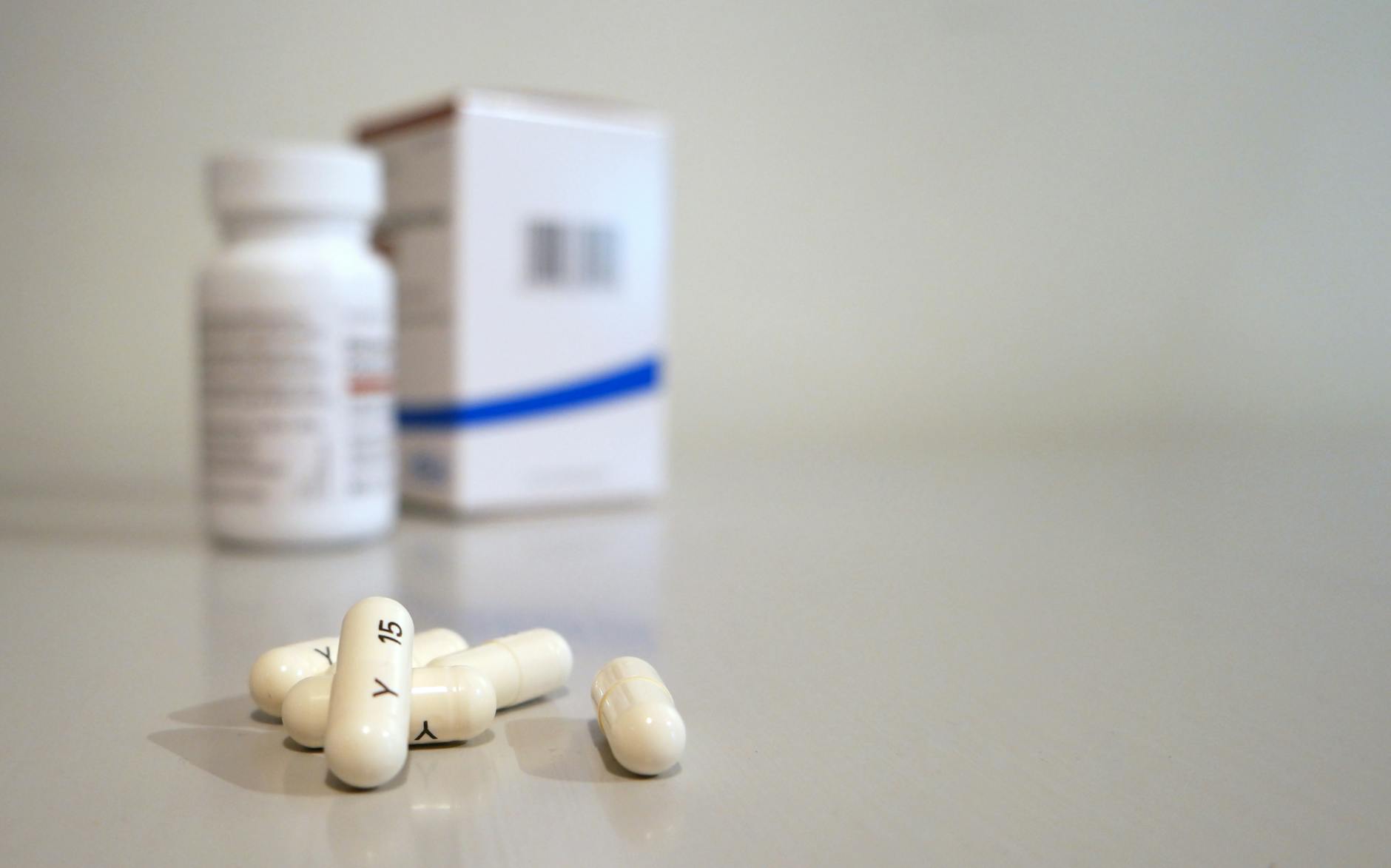
Navigating the world of type 2 diabetes can feel overwhelming, but understanding your treatment options is the first step towards regaining control. Metformin, a widely prescribed medication, stands as a cornerstone in managing this chronic condition. If you’ve been diagnosed with type 2 diabetes, chances are you’ve heard of metformin or perhaps are already taking it. This article aims to demystify this important drug, offering clear, practical information for Indian readers. We’ll explore what metformin is, how it works its magic, its uses, potential side effects, and how it fits into a healthy lifestyle. Let’s embark on this journey together to understand how metformin can help you live a fuller, healthier life. What Exactly is Metformin? Metformin is a medication that belongs to a class of drugs called biguanides. Think of it as a workhorse in the diabetes management arsenal. It’s a generic prescription drug , meaning it’s a bioequivalent to a brand-name drug but typically comes at a more affordable price. This accessibility is a significant advantage, especially for many families in India. It's not a magic bullet, but a powerful tool when used correctly. Metformin is primarily prescribed to help control high blood sugar levels in adults and some children who have type 2 diabetes. It’s often one of the first medications doctors recommend when a type 2 diabetes diagnosis is made, especially if lifestyle changes alone aren't enough to bring blood sugar levels into a healthy range. How Does Metformin Work Its Wonders? Metformin doesn't produce insulin. Instead, it works in a few key ways to help your body manage blood sugar: Reduces Sugar Production by the Liver: Your liver naturally produces glucose (sugar). Metformin steps in and tells your liver to produce less of it. This is a significant factor because, in type 2 diabetes, the liver can sometimes overproduce sugar, contributing to high blood glucose levels. Decreases Sugar Absorption from Your Diet: When you eat, your digestive system breaks down food into glucose, which then enters your bloodstream. Metformin helps to reduce the amount of glucose your intestines absorb from the food you eat. Improves Insulin Sensitivity: This is a big one! Insulin is a hormone that acts like a key, allowing glucose to enter your body’s cells for energy. In type 2 diabetes, your cells can become resistant to insulin, meaning the 'key' doesn't work as well. Metformin helps your body’s cells respond better to the insulin you already produce, making it more effective at ushering glucose into the cells. By working on these fronts, metformin effectively lowers your blood sugar levels, helping to prevent the long-term complications associated with uncontrolled diabetes. Who Can Benefit from Metformin? (Uses) The primary use of metformin is to manage blood sugar in individuals with type 2 diabetes . This includes both adults and certain children diagnosed with the condition. It's a vital component of a comprehensive diabetes management plan, which always includes: A healthy, balanced diet Regular physical activity Regular monitoring of blood sugar levels While metformin is not officially approved for weight loss, some individuals may experience a modest reduction in weight while taking it. This can be a welcome side effect for some, and doctors might consider prescribing it off-label for weight management in specific cases, always in conjunction with diet and exercise. Understanding Metformin Dosage: A Personalised Approach Your doctor will determine the right metformin dosage for you. It’s not a one-size-fits-all situation. Typically, treatment starts with a lower dose to allow your body to adjust and to minimize potential side effects. A common starting dose for immediate-release metformin tablets is 500 mg taken twice daily with meals. Sometimes, a doctor might start with 850 mg once daily with a meal. Your doctor will likely increase your dosage gradually, perhaps weekly, based on your blood sugar response and tolerance. If you need a higher daily dose, exceeding 2,000 mg, your doctor may suggest dividing it into three doses throughout the day to improve absorption and reduce stomach upset. It's crucial to follow your doctor's prescription exactly and not adjust the dose on your own. Types of Metformin Tablets: Immediate vs. Extended Release Metformin comes in two main oral tablet forms: Immediate-Release (IR): This type releases the medication into your body quickly after you take it. Extended-Release (ER): Also known as sustained-release or controlled-release, this form releases the medication slowly over a longer period. This can be beneficial as it may lead to fewer gastrointestinal side effects and allows for once-daily dosing for some people. Your doctor will decide which form is best suited for your needs. Metformin IR is available as a generic. Metformin ER is also available generically, though a brand-name version called Glumetza exists. Potential Side Effects: What to Watch For Like all medications, metformin can have side effects. Fortunately, serious side effects are not common, but it’s important to be aware of them. The most frequent side effects are gastrointestinal: Nausea Vomiting Diarrhea Stomach upset or cramps Loss of appetite A metallic taste in your mouth These symptoms often occur when you first start taking metformin or when the dose is increased. Taking metformin with meals can help reduce these issues. For many people, these side effects lessen or disappear over time. Serious Side Effects (Rare but Important): Lactic Acidosis: This is a very rare but serious complication. It occurs when lactic acid builds up in your bloodstream. Symptoms can include severe muscle pain, difficulty breathing, stomach pain, nausea, vomiting, dizziness, and feeling unusually cold. Lactic acidosis is a medical emergency. If you experience any of these symptoms, seek immediate medical attention by calling 911 or your local emergency number. Low Vitamin B12 Levels: Long-term use of metformin can sometimes lead to reduced absorption of vitamin B12. This can result in symptoms like fatigue, weakness, tingling or numbness in the hands and feet, and difficulty walking. Your doctor may recommend regular checks of your vitamin B12 levels and may suggest a supplement if needed. Allergic Reactions: Though uncommon, some people can have an allergic reaction to metformin. Signs might include rash, itching, swelling, severe dizziness, or trouble breathing. If you suspect an allergic reaction, call your doctor immediately. If it feels like a life-threatening emergency, call 911 or your local emergency number. Metformin Precautions and Boxed Warning Metformin carries a boxed warning , which is the most serious type of warning issued by the Food and Drug Administration (FDA). This warning is specifically about the risk of lactic acidosis. While the risk is low, it is higher in certain individuals, including those with: Kidney problems Liver problems Heart failure Severe infections Dehydration Conditions that cause a lack of oxygen in the body People who drink alcohol heavily It is absolutely vital to discuss your complete medical history with your doctor before starting metformin. They will assess if metformin is a safe choice for you. When to Consult Your Doctor Immediately You should contact your doctor right away if: You experience symptoms of lactic acidosis. You have signs of a severe allergic reaction. You have persistent or severe gastrointestinal side effects that don't improve. You notice any new or worsening symptoms that concern you. You are planning surgery or any medical procedure that requires a temporary stop to metformin. You are pregnant, planning to become pregnant, or breastfeeding. Metformin and Lifestyle: The Dynamic Duo Metformin is most effective when combined with a healthy lifestyle. For Indian readers, this means embracing traditional dietary wisdom alongside modern medical advice. Nutrition: Focus on a balanced diet rich in whole grains, fresh vegetables, lean proteins, and healthy fats. Limit intake of sugary drinks, processed foods, and excessive carbohydrates. Incorporate fibre-rich foods like lentils, beans, and whole wheat atta . Fitness: Aim for at least 150 minutes of moderate-intensity aerobic activity per week, such as brisk walking, cycling, or swimming. Include strength training exercises a couple of times a week. Even simple daily walks can make a significant difference. Regular Monitoring: Keep track of your blood sugar levels as advised by your doctor. This helps you and your doctor understand how your body is responding to metformin and lifestyle changes. Stress Management: High stress levels can impact blood sugar. Practices like yoga, meditation, or simply spending time with loved ones can help manage stress. Frequently Asked Questions (FAQs) about Metformin Q1: Can I drink alcohol while taking metformin? A: It's best to limit alcohol consumption. Heavy alcohol use can increase the risk of lactic acidosis, a serious side effect of metformin. Discuss your alcohol intake with your doctor. Q2: How long do I need to take metformin? A: Metformin is typically taken long-term for individuals with type 2 diabetes. Your doctor will monitor your condition and adjust treatment as needed. It’s a tool to manage diabetes, not a cure. Q3: Can metformin be used for type 1 diabetes? A: No, metformin is not used to treat type 1 diabetes. Type 1 diabetes is managed with insulin therapy. Q4: What should I do if I miss a dose
In summary, timely diagnosis, evidence-based treatment, and prevention-focused care improve long-term health outcomes.
Visit Hospital
Near You

Confused about whether CBD can get you high? Understand the difference between CBD and THC, their effects on your body, and what to look for in safe, non-intoxicating CBD products.
April 1, 2026

Learn about anticoagulants and antiplatelet drugs, often called blood thinners. Understand how they prevent blood clots, when they're prescribed, their side effects, and essential safety tips for Indian readers.
April 1, 2026

Confused about Plan B and abortion pills? Understand the key differences, how they work, and their effectiveness for informed reproductive health decisions.
April 1, 2026