Monoclonal Antibodies: Precision Medicine Revolutionizing Disease Treatment
Discover how monoclonal antibodies (mAbs) are transforming medicine by offering highly targeted therapies for cancer, autoimmune diseases, and infectious conditions. Learn about their mechanisms, applications, side effects, and future potential in modern healthcare.
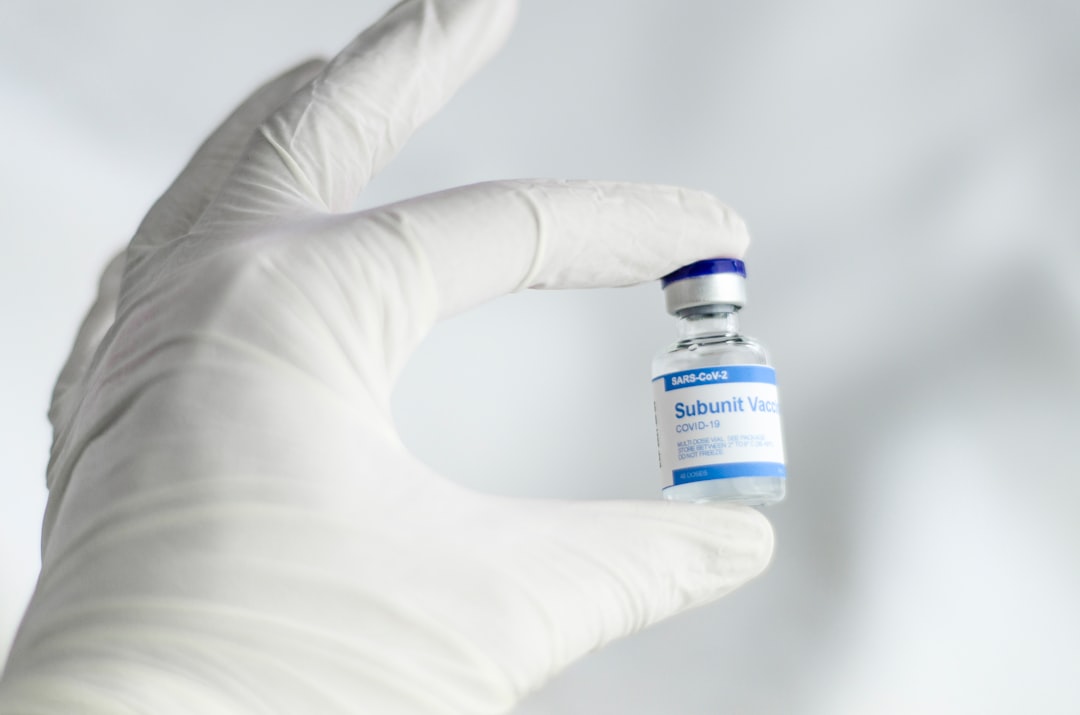
Image by Spencer Davis on Unsplash.com
<h2>Monoclonal Antibodies: Precision Medicine Revolutionizing Disease Treatment</h2><p>In the dynamic landscape of modern medicine, few advancements have captured the imagination and delivered transformative results quite like monoclonal antibodies (mAbs). These remarkable proteins, engineered in laboratories, represent a paradigm shift in how we approach a myriad of complex diseases, from relentless cancers and debilitating autoimmune conditions to life-threatening infectious diseases. Unlike traditional treatments that often cast a wide net, monoclonal antibodies offer a level of precision akin to a 'magic bullet,' specifically targeting diseased cells or harmful proteins while minimizing damage to healthy tissues.</p><p>The journey of monoclonal antibodies began in the 1970s, culminating in a Nobel Prize for their discoverers, Georges Köhler and César Milstein. Since then, continuous research and technological breakthroughs have propelled mAbs from a scientific curiosity to a cornerstone of contemporary therapeutics. Today, a growing arsenal of approved monoclonal antibody therapies is improving patient outcomes, extending lives, and enhancing the quality of life for millions worldwide. This comprehensive guide will delve into the fascinating world of monoclonal antibodies, exploring their mechanisms, diverse applications, potential benefits, and considerations for patients.</p><h2>Understanding Monoclonal Antibodies: The Science Behind the Therapy</h2><p>To truly appreciate the power of monoclonal antibodies, it’s essential to grasp the fundamental science behind them. Antibodies are naturally occurring proteins produced by the immune system in response to foreign invaders, such as bacteria, viruses, or abnormal cells. Each antibody is highly specific, designed to recognize and bind to a unique target molecule called an 'antigen.' This binding mechanism is like a lock and key, initiating a cascade of immune responses to neutralize the threat.</p><h3>What Makes Them 'Monoclonal'?</h3><p>The term 'monoclonal' signifies that these antibodies are all identical copies, derived from a single parent immune cell clone. This uniformity is crucial for their therapeutic efficacy, as it ensures they all target the exact same antigen with high specificity. This stands in contrast to 'polyclonal' antibodies, which are a mixture of different antibodies recognizing various parts of an antigen.</p><h3>How Are Monoclonal Antibodies Produced?</h3><p>The initial breakthrough in mAb production involved <strong>hybridoma technology</strong>. This process involves:</p><ol><li><strong>Immunization:</strong> An animal (typically a mouse) is immunized with the specific antigen that the desired antibody should target.</li><li><strong>Cell Fusion:</strong> Antibody-producing B-cells are harvested from the animal's spleen and fused with immortal myeloma (cancer) cells. This creates 'hybridoma' cells that possess both the B-cell's ability to produce specific antibodies and the myeloma cell's ability to grow indefinitely in culture.</li><li><strong>Selection and Cloning:</strong> Hybridoma cells are then screened to identify and clone those producing the desired antibody. These selected clones are then cultured to produce large quantities of the identical monoclonal antibody.</li></ol><p>While hybridoma technology laid the foundation, modern production often involves <strong>recombinant DNA technology</strong> and genetic engineering. This allows for the creation of humanized or fully human antibodies, reducing the risk of immune reactions against the therapeutic antibody itself, which was a common issue with early murine (mouse-derived) antibodies.</p><h3>Mechanisms of Action: How They Work</h3><p>Monoclonal antibodies exert their therapeutic effects through various intricate mechanisms, depending on their target and design:</p><ul><li><strong>Blocking Action:</strong> Some mAbs physically block the activity of a specific molecule. For example, they might block growth factor receptors on cancer cells, preventing them from receiving signals to grow, or block inflammatory cytokines in autoimmune diseases.</li><li><strong>Direct Cell Killing:</strong> Certain mAbs can directly trigger cell death (apoptosis) in target cells, particularly cancer cells, by binding to specific receptors.</li><li><strong>Immune System Recruitment:</strong> Many mAbs act as beacons, flagging diseased cells for destruction by other components of the immune system, such as natural killer (NK) cells or macrophages. This is known as antibody-dependent cell-mediated cytotoxicity (ADCC) or complement-dependent cytotoxicity (CDC).</li><li><strong>Drug Delivery:</strong> Some mAbs are designed as <strong>antibody-drug conjugates (ADCs)</strong>. In this strategy, a potent chemotherapy drug is chemically linked to an antibody. The antibody precisely delivers the drug to cancer cells expressing a specific antigen, minimizing systemic toxicity.</li><li><strong>Neutralization:</strong> In infectious diseases, mAbs can bind to viruses or bacteria, preventing them from entering host cells or neutralizing their toxic effects.</li></ul><h2>Applications: Diseases Treated by Monoclonal Antibodies</h2><p>The versatility of monoclonal antibodies has led to their widespread application across numerous medical specialties. Their ability to precisely target specific molecules makes them invaluable tools for combating diseases with complex pathologies.</p><h3>1. Cancer Treatment (Oncology)</h3><p>Monoclonal antibodies have revolutionized cancer therapy, often used alone or in combination with chemotherapy, radiation, or other immunotherapies. They target specific markers on cancer cells or molecules involved in tumor growth and spread.</p><ul><li><strong>Examples:</strong><ul><li><em>Trastuzumab (Herceptin):</em> Targets HER2 protein, commonly overexpressed in certain breast and gastric cancers.</li><li><em>Rituximab (Rituxan):</em> Targets CD20 protein on B-cells, used for non-Hodgkin lymphoma and chronic lymphocytic leukemia.</li><li><em>Pembrolizumab (Keytruda) & Nivolumab (Opdivo):</em> These are immune checkpoint inhibitors that block PD-1, allowing the body's immune system to better recognize and attack cancer cells. Used for melanoma, lung cancer, kidney cancer, and more.</li><li><em>Bevacizumab (Avastin):</em> Targets VEGF, inhibiting the formation of new blood vessels that tumors need to grow (angiogenesis). Used for colorectal, lung, and brain cancers.</li></ul></li><li><strong>Relevance to Symptoms/Diagnosis:</strong> For cancers treated by MABs, symptoms vary widely based on the type and stage (e.g., lumps, pain, fatigue, weight loss). Diagnosis typically involves imaging (MRI, CT, PET), biopsies, and specific biomarker testing (like HER2 or CD20 status) to determine eligibility for MAB therapy.</li></ul><h3>2. Autoimmune Diseases</h3><p>In autoimmune conditions, the immune system mistakenly attacks the body's own tissues. Monoclonal antibodies can modulate this overactive immune response by targeting specific inflammatory mediators or immune cells.</p><ul><li><strong>Examples:</strong><ul><li><em>Infliximab (Remicade) & Adalimumab (Humira):</em> Target TNF-alpha, a key inflammatory cytokine, used for rheumatoid arthritis, Crohn's disease, ulcerative colitis, psoriasis, and ankylosing spondylitis.</li><li><em>Ustekinumab (Stelara):</em> Targets IL-12 and IL-23, involved in inflammatory pathways, used for psoriasis, psoriatic arthritis, and Crohn's disease.</li><li><em>Ocrelizumab (Ocrevus):</em> Targets CD20 on B-cells, used for multiple sclerosis.</li></ul></li><li><strong>Relevance to Symptoms/Diagnosis:</strong> Symptoms include chronic inflammation, pain, fatigue, organ damage (depending on the disease). Diagnosis involves clinical evaluation, blood tests (e.g., autoantibodies, inflammatory markers), and sometimes imaging.</li></ul><h3>3. Infectious Diseases</h3><p>Monoclonal antibodies can provide passive immunity against certain pathogens, either by neutralizing the pathogen directly or by marking it for destruction by the immune system.</p><ul><li><strong>Examples:</strong><ul><li><em>Palivizumab (Synagis):</em> Prevents severe respiratory syncytial virus (RSV) infection in high-risk infants.</li><li><em>Sotrovimab, Casirivimab/Imdevimab (past COVID-19 treatments):</em> Targeted the spike protein of SARS-CoV-2 to prevent viral entry into cells, used for early-stage COVID-19 in high-risk individuals.</li><li><em>Ebola treatments:</em> Certain mAbs have been developed to treat Ebola virus disease.</li></ul></li><li><strong>Relevance to Symptoms/Diagnosis:</strong> Symptoms depend on the infection (e.g., fever, respiratory distress for RSV; flu-like symptoms for COVID-19). Diagnosis involves specific viral tests (e.g., PCR, antigen tests).</li></ul><h3>4. Organ Transplant Rejection Prevention</h3><p>Monoclonal antibodies can suppress specific immune responses that lead to the rejection of transplanted organs.</p><ul><li><strong>Example:</strong><ul><li><em>Basiliximab (Simulect):</em> Blocks the IL-2 receptor on T-cells, preventing their activation and proliferation, thereby reducing acute organ rejection in kidney transplants.</li></ul></li></ul><h3>5. Asthma and Allergic Conditions</h3><p>Some mAbs target mediators involved in allergic reactions and asthma.</p><ul><li><strong>Example:</strong><ul><li><em>Omalizumab (Xolair):</em> Targets immunoglobulin E (IgE), a key antibody in allergic reactions, used for severe allergic asthma and chronic spontaneous urticaria.</li></ul></li></ul><h2>Symptoms Addressed by Monoclonal Antibodies</h2><p>It's important to clarify that monoclonal antibodies themselves do not cause symptoms in the way a disease does, but rather they are designed to alleviate or resolve the symptoms of the underlying conditions they treat. These therapies target the root causes of disease manifestations, offering relief and improving patient outcomes.</p><p>The range of symptoms addressed by MABs is as diverse as the diseases they treat, and can include:</p><ul><li><strong>Chronic Pain and Inflammation:</strong> Common in autoimmune diseases like rheumatoid arthritis, Crohn's disease, and psoriasis, MABs can significantly reduce inflammation, leading to decreased pain, swelling, and stiffness.</li><li><strong>Fatigue and Malaise:</strong> Often associated with chronic inflammatory conditions and cancer, improvement in the underlying disease can lead to increased energy levels and overall well-being.</li><li><strong>Organ Dysfunction:</strong> By targeting specific disease pathways, MABs can help preserve organ function, such as reducing intestinal damage in inflammatory bowel disease or preventing neurological decline in multiple sclerosis.</li><li><strong>Tumor Growth and Spread:</strong> In cancer, MABs aim to shrink tumors, prevent their metastasis, and alleviate symptoms related to tumor burden, such as pain, obstruction, or systemic effects.</li><li><strong>Infectious Disease Severity:</strong> For viral infections, MABs can reduce viral load, lessen the severity of symptoms (e.g., respiratory distress in RSV or COVID-19), and prevent progression to severe disease.</li><li><strong>Allergic Reactions:</strong> In conditions like severe asthma or chronic urticaria, MABs can reduce the frequency and intensity of allergic symptoms, including wheezing, shortness of breath, and hives.</li><li><strong>Transplant Rejection:</strong> MABs prevent the immune system from attacking a transplanted organ, thus avoiding symptoms of rejection such as fever, pain, and organ dysfunction.</li></ul><p>The specific symptoms targeted depend entirely on the disease being treated and the specific mechanism of the monoclonal antibody.</p><h2>Causes of Diseases Treated by Monoclonal Antibodies</h2><p>Monoclonal antibodies are employed to treat a wide array of diseases, each with its own complex etiology. While MABs target specific molecular pathways, understanding the underlying causes of these conditions helps contextualize their therapeutic role.</p><ul><li><strong>Cancer:</strong> A multifactorial disease, cancer arises from uncontrolled cell growth due to genetic mutations, which can be inherited or acquired through environmental factors (e.g., smoking, UV radiation, certain infections like HPV), lifestyle choices, and aging.</li><li><strong>Autoimmune Diseases:</strong> These conditions occur when the immune system mistakenly attacks the body's own healthy tissues. The exact causes are often unknown but involve a combination of genetic predisposition and environmental triggers (e.g., infections, toxins, stress) that lead to a breakdown in immune tolerance.</li><li><strong>Infectious Diseases:</strong> Caused by pathogenic microorganisms such as viruses (e.g., SARS-CoV-2, RSV, Ebola), bacteria, fungi, or parasites. MABs are typically used for viral infections where direct neutralization or immune modulation is beneficial, especially in high-risk individuals.</li><li><strong>Asthma and Allergic Conditions:</strong> These are often driven by an overactive immune response to otherwise harmless substances (allergens) or internal triggers. Genetic factors play a significant role, predisposing individuals to heightened IgE production and airway inflammation.</li><li><strong>Organ Transplant Rejection:</strong> This occurs when the recipient's immune system recognizes the transplanted organ as foreign and mounts an immune attack. It is a natural biological response, and immunosuppressive therapies, including MABs, are crucial to prevent it.</li></ul><p>Monoclonal antibodies do not typically 'cure' these underlying causes but rather manage the disease progression, alleviate symptoms, and improve prognosis by specifically intervening in the pathological mechanisms.</p><h2>Diagnosis of Conditions Requiring Monoclonal Antibody Therapy</h2><p>Accurate diagnosis is paramount before initiating any monoclonal antibody therapy. The diagnostic process is tailored to the specific disease and typically involves a combination of clinical evaluation, laboratory tests, and imaging studies.</p><ul><li><strong>For Cancer:</strong><ul><li><em>Biopsy:</em> Tissue samples are examined under a microscope to confirm cancer presence and type.</li><li><em>Biomarker Testing:</em> Crucially, tumor tissue is often tested for specific molecular markers (e.g., HER2, CD20, PD-L1) that indicate eligibility for targeted MAB therapies.</li><li><em>Imaging:</em> CT, MRI, PET scans help determine the extent (stage) of the cancer.</li><li><em>Blood Tests:</em> May include tumor markers or complete blood counts.</li></ul></li><li><strong>For Autoimmune Diseases:</strong><ul><li><em>Clinical Examination:</em> Assessment of symptoms, medical history, and physical findings.</li><li><em>Blood Tests:</em> Detection of specific autoantibodies (e.g., rheumatoid factor, ANA), inflammatory markers (e.g., CRP, ESR), and genetic markers.</li><li><em>Imaging:</em> X-rays, MRI, or endoscopy may be used to assess organ damage (e.g., joint erosion in rheumatoid arthritis, intestinal inflammation in Crohn's disease).</li></ul></li><li><strong>For Infectious Diseases:</strong><ul><li><em>Molecular Tests:</em> PCR tests to detect viral or bacterial genetic material.</li><li><em>Antigen Tests:</em> Rapid detection of specific pathogen proteins.</li><li><em>Serology:</em> Antibody tests to confirm past infection or immune response.</li></ul></li><li><strong>For Asthma and Allergic Conditions:</strong><ul><li><em>Lung Function Tests:</em> Spirometry to assess airway obstruction.</li><li><em>Allergy Testing:</em> Skin prick tests or blood tests (IgE levels) to identify specific allergens.</li></ul></li></ul><p>The specific diagnostic criteria and tests will be determined by a specialist, such as an oncologist, rheumatologist, infectious disease specialist, or immunologist, based on the patient's presentation.</p><h2>Treatment Options: Monoclonal Antibodies in Detail</h2><p>Monoclonal antibody therapy is a highly specialized form of treatment, often reserved for moderate to severe cases of disease, or when other therapies have proven ineffective. The choice of specific MAB depends on the disease, its stage, patient characteristics, and the presence of specific biomarkers.</p><h3>Types of Therapeutic Monoclonal Antibodies</h3><p>Over time, MABs have been engineered to be more human-like to reduce immunogenicity (the likelihood of the patient's immune system reacting against the drug itself):</p><ul><li><strong>Murine Antibodies (<em>-momab</em>):</strong> Derived entirely from mouse cells (e.g., Muromonab-CD3). High risk of human anti-mouse antibody (HAMA) response, leading to allergic reactions or reduced efficacy.</li><li><strong>Chimeric Antibodies (<em>-ximab</em>):</strong> Combine mouse variable regions (antigen-binding parts) with human constant regions. Approximately 65% human (e.g., Infliximab, Rituximab). Reduced HAMA response.</li><li><strong>Humanized Antibodies (<em>-zumab</em>):</strong> Mostly human, with only the small antigen-binding sites from the mouse antibody. Approximately 95% human (e.g., Trastuzumab, Bevacizumab). Further reduced immunogenicity.</li><li><strong>Fully Human Antibodies (<em>-umab</em>):</strong> Entirely human sequences, often produced using phage display libraries or transgenic mice. Lowest risk of immunogenicity (e.g., Adalimumab, Pembrolizumab).</li></ul><h3>Administration Methods</h3><p>Monoclonal antibodies are typically administered in two main ways:</p><ul><li><strong>Intravenous (IV) Infusion:</strong> Many MABs are given directly into a vein over a period of time (e.g., 30 minutes to several hours) in a clinic or hospital setting. This allows for precise dosing and immediate systemic distribution.</li><li><strong>Subcutaneous (SC) Injection:</strong> Some MABs can be injected under the skin, often allowing for self-administration at home after proper training. This offers greater convenience for patients.</li></ul><p>The frequency of administration varies widely, from weekly to once every several months, depending on the specific drug, disease, and patient response.</p><h3>Potential Side Effects and Risks</h3><p>While generally well-tolerated and more targeted than traditional therapies, MABs are potent medications and can have side effects. These can range from mild to severe and depend on the specific antibody and its target.</p><ul><li><strong>Common Side Effects:</strong><ul><li>Infusion-related reactions (fever, chills, headache, rash, nausea) – often managed by pre-medication.</li><li>Fatigue</li><li>Diarrhea or constipation</li><li>Skin reactions at injection site (for SC injections)</li></ul></li><li><strong>More Serious Side Effects (Specific to MABs and their targets):</strong><ul><li><em>Increased Risk of Infection:</em> Especially with MABs that suppress the immune system (e.g., those for autoimmune diseases or transplant rejection). Patients may be more susceptible to bacterial, viral, or fungal infections.</li><li><em>Allergic Reactions (Anaphylaxis):</em> Though less common with humanized/fully human MABs, severe allergic reactions can occur, particularly during infusions.</li><li><em>Cardiovascular Events:</em> Some MABs, particularly certain cancer therapies, can affect heart function.</li><li><em>Gastrointestinal Perforation:</em> Rare but serious risk with MABs targeting VEGF (e.g., Bevacizumab).</li><li><em>Neurological Effects:</em> Rarely, MABs can cause neurological issues.</li><li><em>Autoimmune-like Reactions:</em> Immune checkpoint inhibitors can sometimes cause inflammation in healthy organs.</li></ul></li></ul><p>Patients are closely monitored during and after administration, and healthcare providers educate them on potential side effects and when to seek medical attention.</p><h3>Monitoring During Treatment</h3><p>Regular monitoring is crucial to assess the effectiveness of MAB therapy and manage any side effects. This typically includes:</p><ul><li><strong>Clinical Assessments:</strong> Regular check-ups to evaluate symptom improvement and overall health.</li><li><strong>Laboratory Tests:</strong> Blood tests to monitor inflammatory markers, organ function, complete blood counts, and sometimes drug levels.</li><li><strong>Imaging Studies:</strong> Periodical scans (e.g., CT, MRI) for cancer patients to track tumor response, or endoscopy for inflammatory bowel disease.</li><li><strong>Infection Screening:</strong> For immunosuppressive MABs, screening for latent infections (e.g., tuberculosis, hepatitis B) may be required before and during treatment.</li></ul><h2>Prevention</h2><p>When discussing monoclonal antibodies, 'prevention' can be understood in several contexts:</p><ul><li><strong>Preventing Disease Progression or Relapse:</strong> For chronic conditions like autoimmune diseases or certain cancers, MABs are often used to prevent disease flares, stop progression, or reduce the risk of recurrence after initial treatment.</li><li><strong>Preventing Infections:</strong> In specific high-risk populations, such as infants susceptible to RSV, a monoclonal antibody (e.g., Palivizumab) can be administered prophylactically to prevent severe infection.</li><li><strong>Preventing Organ Transplant Rejection:</strong> MABs are a key component of immunosuppressive regimens used to prevent the immune system from attacking a newly transplanted organ.</li><li><strong>General Disease Prevention:</strong> While MABs are treatments, not typically preventative measures for the general population, maintaining a healthy lifestyle, avoiding known carcinogens, and getting recommended vaccinations can reduce the risk of developing some of the diseases that MABs ultimately treat. For infectious diseases, good hygiene and vaccination remain primary prevention strategies, with MABs serving as a targeted intervention for those already infected or at very high risk.</li></ul><p>It's crucial to remember that MABs are potent biological drugs, and their use is carefully weighed against potential benefits and risks by medical professionals.</p><h2>When to See a Doctor</h2><p>If you are considering monoclonal antibody therapy or are currently undergoing treatment, knowing when to consult your healthcare provider is vital.</p><h3>If You Are Experiencing New or Worsening Symptoms:</h3><ul><li>If you suspect you have a condition (e.g., persistent joint pain, unexplained weight loss, chronic fatigue, recurrent infections) that might benefit from advanced therapies, including MABs, discuss your symptoms with your primary care physician. They can refer you to a specialist (oncologist, rheumatologist, gastroenterologist, immunologist) for proper diagnosis and treatment options.</li><li>If you have been diagnosed with a severe or refractory condition, ask your specialist if monoclonal antibody therapy is a suitable option for your specific case.</li></ul><h3>If You Are Undergoing Monoclonal Antibody Therapy:</h3><p>Contact your medical team immediately if you experience any of the following:</p><ul><li><strong>Signs of an Infusion Reaction:</strong> Fever, chills, rash, itching, shortness of breath, dizziness, or swelling during or shortly after an infusion.</li><li><strong>Signs of Infection:</strong> High fever, severe chills, persistent cough, sore throat, unusual fatigue, or any signs of a new infection, especially if you are on an immunosuppressive MAB.</li><li><strong>Severe Allergic Reaction:</strong> Difficulty breathing, swelling of the face or throat, severe rash.</li><li><strong>Unusual Bleeding or Bruising:</strong> If you notice easy bruising, nosebleeds, or blood in your urine/stool.</li><li><strong>New or Worsening Symptoms of Your Condition:</strong> If the therapy does not seem to be working, or your disease symptoms are getting worse.</li><li><strong>Any New or Concerning Side Effects:</strong> Even if they seem minor, it's best to report them to your doctor or nurse.</li></ul><p>Always follow the specific instructions provided by your healthcare team regarding your treatment plan and side effect management.</p><h2>FAQs about Monoclonal Antibodies</h2><dl><dt><strong>Q: Are monoclonal antibodies a form of chemotherapy?</strong></dt><dd>A: No, while some MABs are used in cancer treatment, they are distinct from traditional chemotherapy. Chemotherapy drugs are typically cytotoxic, meaning they kill rapidly dividing cells indiscriminately, leading to many side effects. Monoclonal antibodies are 'targeted therapies' that specifically bind to certain molecules on cancer cells or immune cells, offering a more precise approach with different side effect profiles.</dd><dt><strong>Q: How long do monoclonal antibodies stay in your system?</strong></dt><dd>A: The half-life of monoclonal antibodies varies depending on the specific drug, but it can range from a few days to several weeks. This long half-life is why they are often administered less frequently than other drugs, sometimes every few weeks or months. Your doctor will determine the appropriate dosing schedule.</dd><dt><strong>Q: Can pregnant women receive monoclonal antibodies?</strong></dt><dd>A: The use of monoclonal antibodies during pregnancy requires careful consideration. Some MABs are contraindicated or used with extreme caution due to potential risks to the fetus, particularly those that cross the placenta. It is crucial to discuss pregnancy plans or actual pregnancy with your doctor before starting or continuing MAB therapy.</dd><dt><strong>Q: Are monoclonal antibodies safe?</strong></dt><dd>A: Monoclonal antibodies undergo rigorous testing and regulatory approval processes to ensure their safety and efficacy. While they are generally considered safe and effective for their approved indications, like all medications, they carry potential risks and side effects. These risks are carefully weighed against the benefits by your healthcare provider, and treatment is individualized.</dd><dt><strong>Q: What's the difference between monoclonal and polyclonal antibodies?</strong></dt><dd>A: <strong>Monoclonal antibodies</strong> are identical copies of a single antibody, produced by a single B-cell clone, and recognize only one specific epitope (binding site) on an antigen. <strong>Polyclonal antibodies</strong> are a mixture of different antibodies produced by various B-cell clones, recognizing multiple different epitopes on the same antigen. Therapeutically, monoclonal antibodies offer higher specificity and consistency.</dd></dl><h2>Conclusion: The Evolving Landscape of Targeted Therapy</h2><p>Monoclonal antibodies represent a pinnacle of modern biomedical science, offering highly specific and effective treatment options for some of humanity's most challenging diseases. From transforming cancer care and managing chronic autoimmune conditions to providing crucial interventions for infectious diseases, their impact is undeniable. The journey from laboratory discovery to life-saving therapy underscores decades of scientific dedication and innovation.</p><p>As research continues, the field of monoclonal antibodies is rapidly evolving. We are seeing the development of more sophisticated antibodies, such as bispecific antibodies (targeting two different antigens) and antibody-drug conjugates, promising even greater precision and efficacy. While challenges remain, including treatment costs and potential side effects, the ongoing advancements in monoclonal antibody technology herald a future where personalized, targeted medicine becomes even more accessible and effective for patients worldwide.</p><h2>Sources / Medical References</h2><ul><li><a href="https://www.healthline.com/health/ibd/monoclonal-antibodies" target="_blank">Healthline: Monoclonal Antibodies for IBD</a> (Used as foundational reference for understanding general concepts and applications)</li><li>National Cancer Institute. <em>Monoclonal Antibodies.</em> Available at: <a href="https://www.cancer.gov/about-cancer/treatment/types/immunotherapy/monoclonal-antibodies" target="_blank">https://www.cancer.gov/about-cancer/treatment/types/immunotherapy/monoclonal-antibodies</a></li><li>Mayo Clinic. <em>Monoclonal antibody treatment for COVID-19.</em> Available at: <a href="https://www.mayoclinic.org/diseases-conditions/coronavirus/in-depth/monoclonal-antibody-treatment/art-20485987" target="_blank">https://www.mayoclinic.org/diseases-conditions/coronavirus/in-depth/monoclonal-antibody-treatment/art-20485987</a></li><li>Arthritis Foundation. <em>Biologics and Biosimilars.</em> Available at: <a href="https://www.arthritis.org/treatment/medications/biologics" target="_blank">https://www.arthritis.org/treatment/medications/biologics</a></li></ul>
Keywords
monoclonal antibodiesmAbstargeted therapycancer treatmentautoimmune disease treatmentinfectious disease treatmentimmunotherapybiologicsprecision medicinedrug developmentantibody therapyrheumatoid arthritis treatmentCrohn's disease treatmentCOVID-19 treatmentoncology




