

Emergency & Help
24/7 Emergency & General Advisory
🚨 24/7 Medical Emergency
Non-Emergency Advisory
10:00 AM – 6:00 PM, Mon–Sat
For appointments & general queries.
24/7 Emergency & General Advisory
🚨 24/7 Medical Emergency
Non-Emergency Advisory
10:00 AM – 6:00 PM, Mon–Sat
For appointments & general queries.
Stay updated with our latest healthcare news and your appointments.
Learn about naltrexone oral tablet dosage for alcohol and opioid use disorder, including how to take it, missed doses, and overdose information for Indian readers.
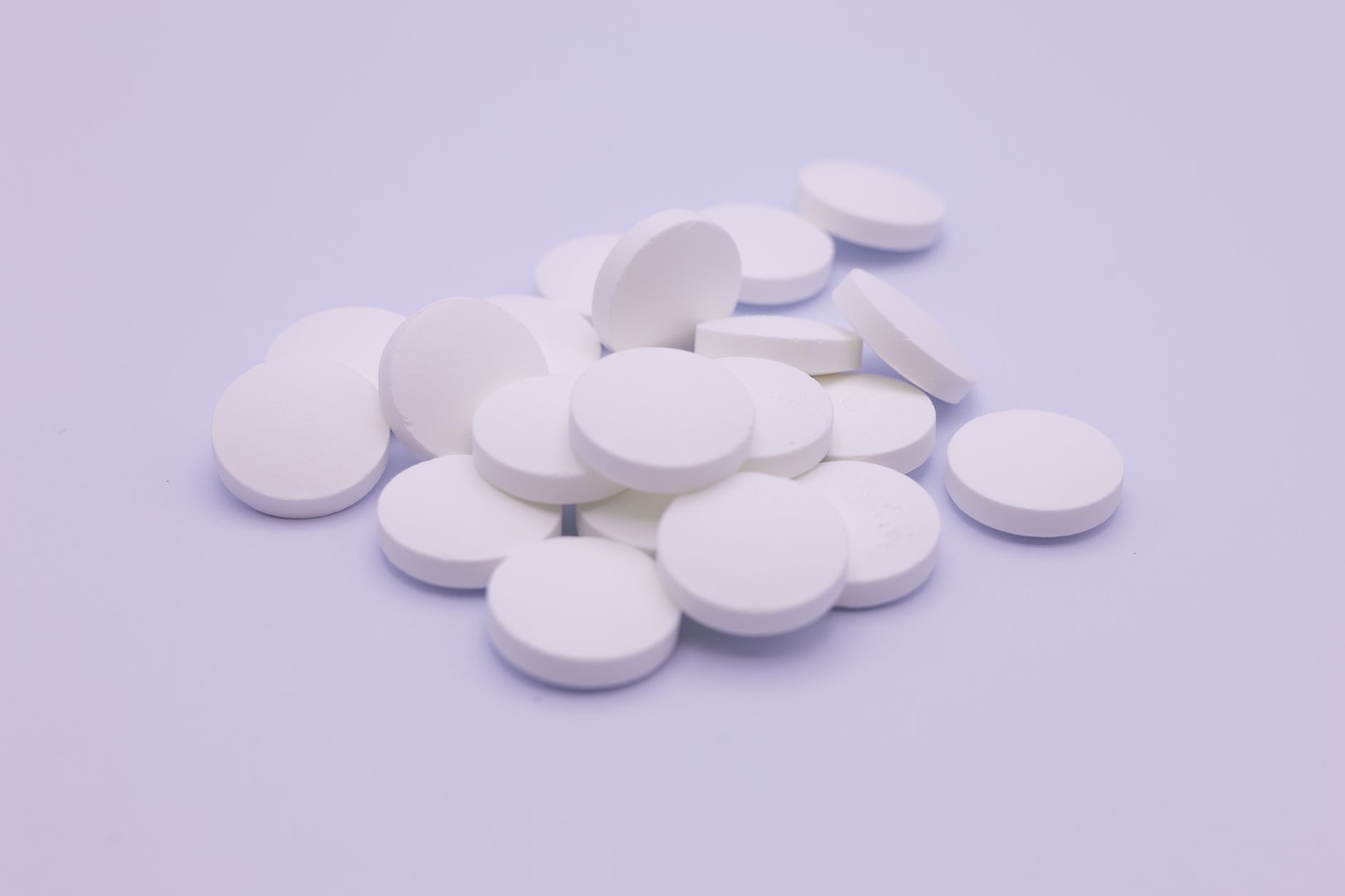
Understanding Naltrexone Oral Tablet Dosage for Addiction Treatment Naltrexone is a prescription medication that plays a crucial role in managing addiction, specifically alcohol use disorder and opioid use disorder, in adults. It belongs to a class of drugs known as opioid antagonists. This means it works by blocking the effects of opioids, including the euphoric feeling that can lead to continued use. For individuals struggling with alcohol or opioid dependence, understanding the correct dosage and how to take naltrexone is vital for successful treatment and recovery. This article will delve into the specifics of naltrexone oral tablet dosage, its strengths, how to take it, and what to do in case of missed doses or overdose, tailored for an Indian audience seeking clear and practical information. What is Naltrexone and How Does it Work? Naltrexone is an opioid antagonist. It works by attaching to opioid receptors in the brain and blocking the effects of opioid drugs, such as heroin or prescription painkillers. It also blocks the effects of alcohol on these receptors. This blockage can help reduce cravings for both substances and prevent the rewarding feeling that often accompanies their use, thereby supporting abstinence. Naltrexone Oral Tablet Strengths and Forms Naltrexone oral tablet is available in a standard strength of 50 milligrams (mg) . This is the most common dosage prescribed for the treatment of alcohol and opioid use disorders. While it comes in this specific strength, your doctor may adjust the frequency or timing of your doses based on your individual needs and response to the medication. Dosage for Alcohol Use Disorder For adults diagnosed with alcohol use disorder, the typical oral dosage of naltrexone is 50 mg daily . This consistent daily dose helps to manage cravings and reduce the likelihood of relapse. It is important to take the medication exactly as prescribed by your doctor to achieve the best results. Dosage for Opioid Use Disorder When treating opioid use disorder, the dosage regimen for naltrexone oral tablet often starts with a lower dose to assess tolerance. A common approach is to begin with 25 mg for the first dose . Following this initial dose, the typical daily maintenance dose is 50 mg . This gradual introduction helps minimize potential side effects and ensures the medication is well-tolerated before moving to the standard daily dose. How to Take Naltrexone Oral Tablet Naltrexone oral tablets are designed to be swallowed whole. If you have difficulty swallowing tablets, you can discuss strategies with your doctor. The tablets are scored, meaning they have a line that allows them to be broken in half if necessary, but always consult your doctor before attempting to crush or chew the tablet. You can take naltrexone oral tablet with or without food , which offers flexibility in your daily routine. What if You Miss a Dose? Missing a dose of naltrexone can happen. If you realize you've missed a dose, take it as soon as you remember. However, if it is almost time for your next scheduled dose, it is best to skip the missed dose and continue with your regular dosing schedule. Do not double up on doses to compensate for a missed one. If you are unsure about what to do, consult your doctor or pharmacist for guidance. Overdose: What to Do if You Take Too Much Taking more naltrexone than prescribed can lead to harmful effects. It is crucial to adhere strictly to your doctor's prescribed dosage. If you suspect you have taken too much naltrexone, contact your doctor immediately. In India, you can also reach out to a local poison control center or emergency services. If you experience severe symptoms, call your local emergency number (like 108 or 112) or go to the nearest emergency room without delay. Naltrexone and Dependence: Withdrawal and Addiction Potential A significant benefit of naltrexone is that it does not lead to physical dependence . This means your body does not become reliant on the drug to function normally, and you will not experience withdrawal symptoms if you stop taking it. This is a key difference from many other medications used in addiction treatment and contributes to its safety profile for long-term use. Long-Term Treatment with Naltrexone Naltrexone oral tablet is often prescribed as a long-term treatment option for individuals managing alcohol and opioid use disorders. If your doctor determines that naltrexone is safe and effective for you, you may continue taking it for an extended period as part of your comprehensive recovery plan. Regular follow-ups with your doctor are important to monitor your progress and adjust treatment as needed. Dosage Adjustments and Interactions Your doctor may adjust your naltrexone dosage if you have underlying health conditions, particularly if your liver or kidneys are not functioning optimally. They may also modify your dosage if you are taking certain other medications that could interact with naltrexone. It is essential to inform your doctor about all medications, supplements, and herbal products you are currently taking. Always consult your doctor before starting or stopping any new medication during your naltrexone treatment. Naltrexone for Weight Loss? While naltrexone itself is not typically prescribed for weight loss, a combination drug called Contrave , which contains naltrexone and bupropion, is approved for weight management. If you are interested in using naltrexone for weight loss, discuss this with your doctor, as they can determine if Contrave or another treatment plan is appropriate for you.
In summary, timely diagnosis, evidence-based treatment, and prevention-focused care improve long-term health outcomes.
Visit Hospital
Near You

Confused about whether CBD can get you high? Understand the difference between CBD and THC, their effects on your body, and what to look for in safe, non-intoxicating CBD products.
April 1, 2026

Learn about anticoagulants and antiplatelet drugs, often called blood thinners. Understand how they prevent blood clots, when they're prescribed, their side effects, and essential safety tips for Indian readers.
April 1, 2026

Confused about Plan B and abortion pills? Understand the key differences, how they work, and their effectiveness for informed reproductive health decisions.
April 1, 2026