

Emergency & Help
24/7 Emergency & General Advisory
🚨 24/7 Medical Emergency
Non-Emergency Advisory
10:00 AM – 6:00 PM, Mon–Sat
For appointments & general queries.
24/7 Emergency & General Advisory
🚨 24/7 Medical Emergency
Non-Emergency Advisory
10:00 AM – 6:00 PM, Mon–Sat
For appointments & general queries.
Stay updated with our latest healthcare news and your appointments.
Explore the science behind NMN (Nicotinamide Mononucleotide), its potential benefits for aging, energy, and metabolism, along with safety, dosage, and dietary sources. Learn if NMN is right for you.
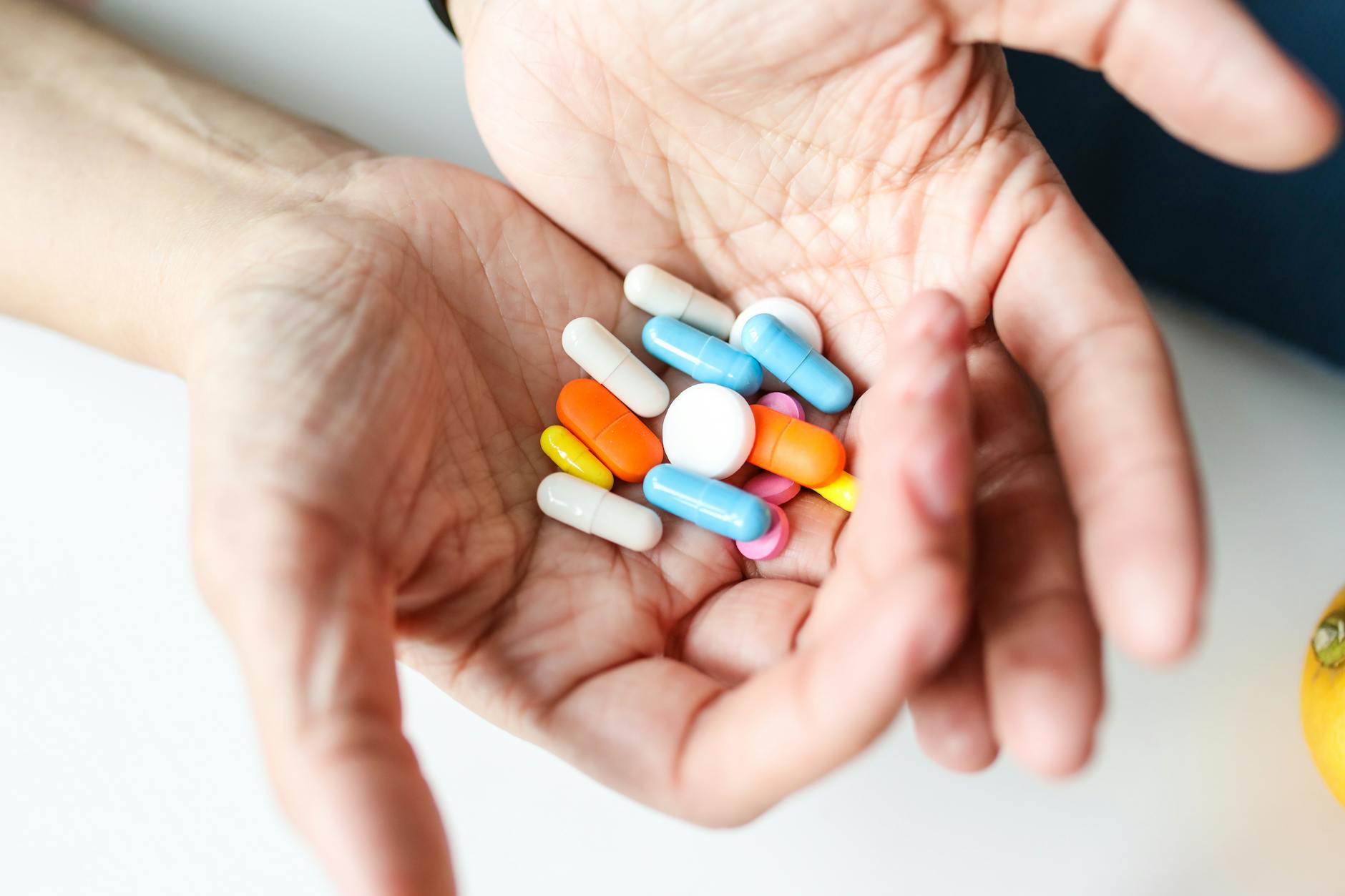
In the ever-evolving world of health and wellness, new compounds and supplements frequently emerge, promising to enhance our well-being and longevity. One such compound that has garnered significant attention is NMN, or nicotinamide mononucleotide. You might have come across it in discussions about aging, energy levels, and overall health. But what exactly is NMN, and how does it work in our bodies? This article aims to provide a comprehensive overview of NMN, its potential benefits, safety considerations, and recommended dosages, tailored for our readers in India.
At its core, NMN is a naturally occurring molecule found in our bodies. It belongs to a class of compounds known as nucleotides, which are the fundamental building blocks of DNA. Within our cells, NMN plays a crucial role as a precursor to another vital molecule called nicotinamide adenine dinucleotide, or NAD. Think of NMN as the raw material, and NAD as the refined product that our cells can readily use. The body's ability to produce NAD is directly dependent on the availability of NMN. Therefore, sufficient NMN levels are essential for optimal cellular function.
NAD is a coenzyme that is indispensable for a multitude of cellular processes. It is involved in:
Essentially, all cells in our body rely on NAD to function properly. This highlights the importance of adequate NMN levels to ensure sufficient NAD production.
As we age, our body's natural production of NMN, and consequently NAD, tends to decline. This reduction in NAD levels is believed to contribute to some of the age-related changes and health issues we experience. Research has indicated that individuals with certain age-related conditions, such as diabetes and liver diseases, may exhibit lower levels of both NMN and NAD. This observation has fueled interest in NMN supplementation as a potential strategy to counteract age-related NAD depletion.
While research on NMN is still ongoing, early studies and ongoing investigations suggest several promising potential benefits:
NAD activates a group of proteins called sirtuins, which are known to play a role in DNA repair and longevity. Higher NAD levels are associated with improved cellular health and potentially a longer lifespan. Conversely, low NAD levels have been linked to various age-related diseases. By boosting NAD levels, NMN may contribute to healthier aging.
One study involving postmenopausal women with prediabetes and overweight or obesity found that taking NMN supplements improved insulin sensitivity and signaling. This suggests that NMN could play a role in managing blood sugar levels, which is particularly relevant for individuals at risk of or living with diabetes.
Some research indicates that NMN supplementation might enhance aerobic capacity, which refers to the body's ability to transport and utilize oxygen during exercise. This could be beneficial for athletes and individuals looking to improve their physical performance and endurance.
Preliminary studies have explored the effects of NMN on sleep. One study in older adults suggested that NMN supplementation might help reduce drowsiness and potentially improve sleep quality. Better sleep is fundamental to overall health and well-being.
NAD is thought to regulate the production of proteins that protect the brain. By supporting NAD levels, NMN may offer neuroprotective benefits, although more research is needed in this area.
NMN can be obtained through your diet, though in relatively small amounts. Some foods rich in NMN include:
However, the quantities of NMN obtained from these food sources are generally quite low. For individuals seeking to significantly increase their NMN intake, supplementation is a more direct route. NMN supplements are available in various forms, typically capsules.
When considering any supplement, dosage and safety are paramount. Research in humans has indicated that NMN is generally well-tolerated. Studies have explored doses up to 1,200 mg daily, and these have been found to be safe for consumption. However, it is crucial to:
While generally considered safe, individual responses can vary. It's important to be aware of your body and report any unusual symptoms to your doctor.
Currently, research suggests that NMN is well-tolerated, and significant side effects have not been widely reported at recommended dosages. However, as with any supplement, there is a possibility of mild side effects in some individuals. These could potentially include:
If you experience any adverse effects, discontinue use and consult your healthcare provider.
It is highly recommended to consult a doctor or a qualified healthcare professional in the following situations:
While foods like broccoli, cabbage, tomatoes, and avocados contain NMN, the amounts are typically very small. Relying solely on diet for significant NMN intake may not be sufficient. Supplementation is a more effective way to increase NMN levels.
Current research suggests NMN is safe for consumption at doses up to 1,200 mg daily. However, long-term studies are still ongoing. It's always best to consult with a healthcare professional regarding long-term supplementation.
The timeline for experiencing benefits from NMN can vary significantly among individuals. Some people may notice subtle changes within weeks, while others might take longer. Factors such as age, overall health, dosage, and lifestyle can influence the onset of effects.
As with any supplement, there is a potential for interactions with certain medications. It is crucial to inform your doctor about all supplements you are taking, including NMN, to avoid any adverse interactions.
NMN is a fascinating molecule with emerging potential benefits for health and longevity, primarily by supporting NAD levels in the body. While research is still evolving, early findings on improved insulin sensitivity, aerobic capacity, and potential anti-aging effects are encouraging. For individuals in India considering NMN, it's important to approach supplementation with informed caution. Prioritize consulting with a healthcare professional to ensure safe and effective use, understand appropriate dosages, and integrate it responsibly into your overall health strategy.
Visit Hospital
Near You

Confused about whether CBD can get you high? Understand the difference between CBD and THC, their effects on your body, and what to look for in safe, non-intoxicating CBD products.
April 1, 2026

Learn about anticoagulants and antiplatelet drugs, often called blood thinners. Understand how they prevent blood clots, when they're prescribed, their side effects, and essential safety tips for Indian readers.
April 1, 2026

Confused about Plan B and abortion pills? Understand the key differences, how they work, and their effectiveness for informed reproductive health decisions.
April 1, 2026