

Emergency & Help
24/7 Emergency & General Advisory
🚨 24/7 Medical Emergency
Non-Emergency Advisory
10:00 AM – 6:00 PM, Mon–Sat
For appointments & general queries.
24/7 Emergency & General Advisory
🚨 24/7 Medical Emergency
Non-Emergency Advisory
10:00 AM – 6:00 PM, Mon–Sat
For appointments & general queries.
Stay updated with our latest healthcare news and your appointments.
Explore the key differences between the Pfizer-BioNTech and AstraZeneca COVID-19 vaccines, including their technology, efficacy, side effects, and storage requirements. Make informed decisions about your health.
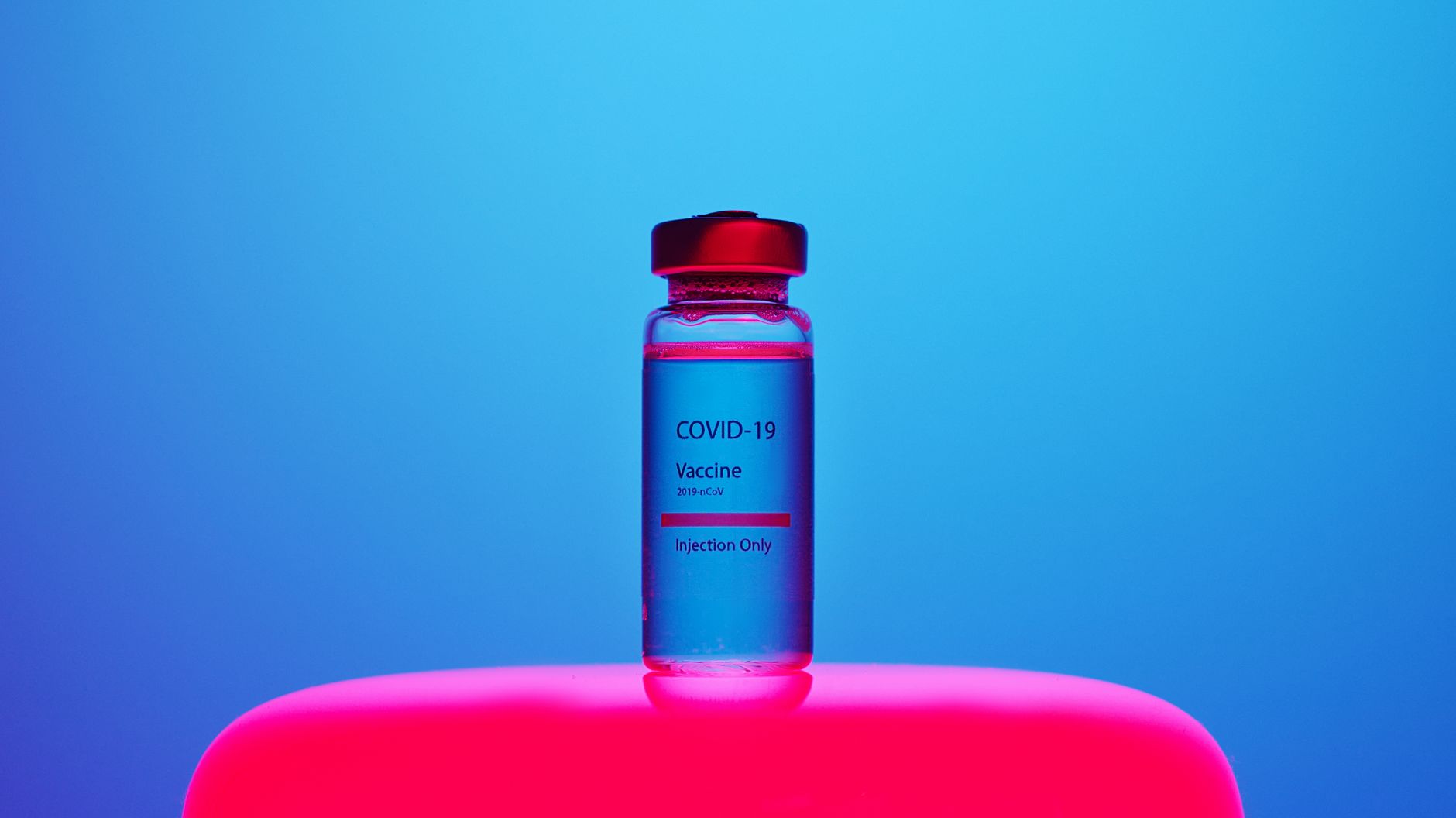
In the global fight against the novel coronavirus (SARS-CoV-2), vaccination stands as a powerful shield. The World Health Organization (WHO) confirms that numerous COVID-19 vaccines are now available, with the Pfizer-BioNTech and AstraZeneca vaccines being two prominent examples authorized and used in many countries. While both aim to protect us, they employ different scientific approaches. This guide will walk you through how these vaccines work, their efficacy, and what you need to know to make informed decisions about your health. We'll break down the science in a way that's easy to understand, addressing common questions and concerns for our readers in India.
It's natural to be curious about the technology behind the vaccines protecting us. The Pfizer-BioNTech and AstraZeneca vaccines, while both effective, utilize distinct mechanisms to train your immune system.
The Pfizer-BioNTech vaccine leverages mRNA (messenger Ribonucleic Acid) technology. This isn't a new concept; scientists have been researching mRNA vaccines for years, with early successful trials dating back to 2008. Think of mRNA as a set of instructions.
Here's a simplified breakdown:
This process essentially teaches your immune system what the virus looks like without exposing you to the actual virus. If you encounter the real SARS-CoV-2 virus later, your body will be prepared to fight it off effectively.
A key characteristic of the Pfizer-BioNTech vaccine is its need for ultra-cold storage conditions (between -112°F and -76°F or -80°C to -60°C) to maintain stability. Once prepared for use, it remains viable at room temperature for up to 6 hours before it must be used or discarded.
The AstraZeneca vaccine, also known by other names in scientific contexts, employs a different strategy using an adenovirus vector. An adenovirus is a common type of virus that usually causes mild illness, like the common cold. For this vaccine, scientists have modified a deactivated version of the adenovirus. This modified virus acts as a carrier, or 'vector,' to deliver genetic material into your cells.
Here's how the AstraZeneca vaccine works:
This method also effectively trains your immune system to recognize and combat the SARS-CoV-2 virus if you are exposed.
Understanding the core distinctions can help clarify things:
Both the Pfizer-BioNTech and AstraZeneca vaccines have demonstrated high levels of efficacy in clinical trials and real-world data in preventing severe illness, hospitalization, and death from COVID-19. While initial efficacy rates might show slight variations, the primary goal of both vaccines is robust protection against the most dangerous outcomes of the disease.
It's important to remember that no vaccine is 100% effective, and protection can wane over time. This is why health authorities recommend staying updated with booster shots as advised. The effectiveness also depends on factors like the specific variant of the virus circulating and individual immune responses.
Like most vaccines, both Pfizer and AstraZeneca can cause mild to moderate side effects. These are usually signs that your immune system is building protection.
Common side effects may include:
These side effects typically appear within a day or two of vaccination and resolve on their own within a few days. Serious side effects are very rare.
A note on rare blood clots: The AstraZeneca vaccine has been associated with a very rare but serious condition involving blood clots with low platelets, known as Vaccine-induced Immune Thrombotic Thrombocytopenia (VITT). This has led some countries to restrict its use, particularly in younger age groups. Health authorities continuously monitor vaccine safety, and the risk of these rare events must be weighed against the significant benefits of protection against COVID-19.
The choice of vaccine often depends on availability in your region and recommendations from local health authorities. In India, various vaccines have been approved and deployed, including those based on similar technologies. It's essential to consult with healthcare providers or refer to official government health advisories for the most current guidance on vaccine recommendations for different age groups and health conditions.
While these vaccines are safe for most people, you should speak with your doctor before getting vaccinated if you:
Always discuss any personal health concerns or pre-existing conditions with your healthcare provider. They can offer personalized advice based on your medical history.
Vaccination is a cornerstone of protection, but it works best when combined with other preventive measures. Continue to practice:
Both Pfizer-BioNTech and AstraZeneca vaccines are highly effective at preventing severe COVID-19, hospitalization, and death. While initial trial data might show slight differences in preventing mild infection, their performance against severe outcomes is comparable and robust.
Mixing and matching vaccine doses (heterologous vaccination) has been studied and is considered safe and effective in many cases, sometimes even offering a broader immune response. However, specific recommendations on mixing schedules vary by region and are best confirmed with local health authorities or your doctor.
Protection from COVID-19 vaccines can decrease over time. Booster doses are recommended by health organizations to restore and enhance immunity. The duration of protection and the need for boosters are subjects of ongoing research and are updated based on scientific evidence.
Official health bodies in India and globally have generally recommended COVID-19 vaccination for pregnant and breastfeeding women, emphasizing the benefits of protection against severe illness. However, it's always best for pregnant individuals to discuss their specific situation and any concerns with their obstetrician or healthcare provider.
The primary concern that emerged was the very rare risk of VITT (Vaccine-induced Immune Thrombotic Thrombocytopenia), a type of blood clot. While extremely uncommon, this led to some countries adjusting their recommendations for its use. The benefits of vaccination in preventing severe COVID-19 generally outweigh this rare risk for most individuals.
Navigating health information can be complex, but understanding the science behind vaccines like Pfizer and AstraZeneca empowers you to make confident choices for yourself and your family. Stay informed, follow expert advice, and continue practicing healthy habits!
This section adds practical context and preventive advice to help readers make informed healthcare decisions. It is important to verify symptoms early, consult qualified doctors, and avoid self-medication for persistent health issues.
Maintaining healthy routines, following prescribed treatment plans, and attending regular checkups can improve outcomes. If symptoms worsen or red-flag signs appear, immediate medical evaluation is recommended.
Track symptoms and duration.
Follow diagnosis and treatment from a licensed practitioner.
Review medication side effects with your doctor.
Seek urgent care for severe warning signs.
Visit Hospital
Near You

Confused about whether CBD can get you high? Understand the difference between CBD and THC, their effects on your body, and what to look for in safe, non-intoxicating CBD products.
April 1, 2026

Learn about anticoagulants and antiplatelet drugs, often called blood thinners. Understand how they prevent blood clots, when they're prescribed, their side effects, and essential safety tips for Indian readers.
April 1, 2026

Confused about Plan B and abortion pills? Understand the key differences, how they work, and their effectiveness for informed reproductive health decisions.
April 1, 2026