

Emergency & Help
24/7 Emergency & General Advisory
🚨 24/7 Medical Emergency
Non-Emergency Advisory
10:00 AM – 6:00 PM, Mon–Sat
For appointments & general queries.
24/7 Emergency & General Advisory
🚨 24/7 Medical Emergency
Non-Emergency Advisory
10:00 AM – 6:00 PM, Mon–Sat
For appointments & general queries.
Stay updated with our latest healthcare news and your appointments.
Understand Plavix (clopidogrel) dosage, how it works, and its importance in preventing heart attacks and strokes for Indian readers. Learn about loading vs. maintenance doses, side effects, and when to consult a doctor.
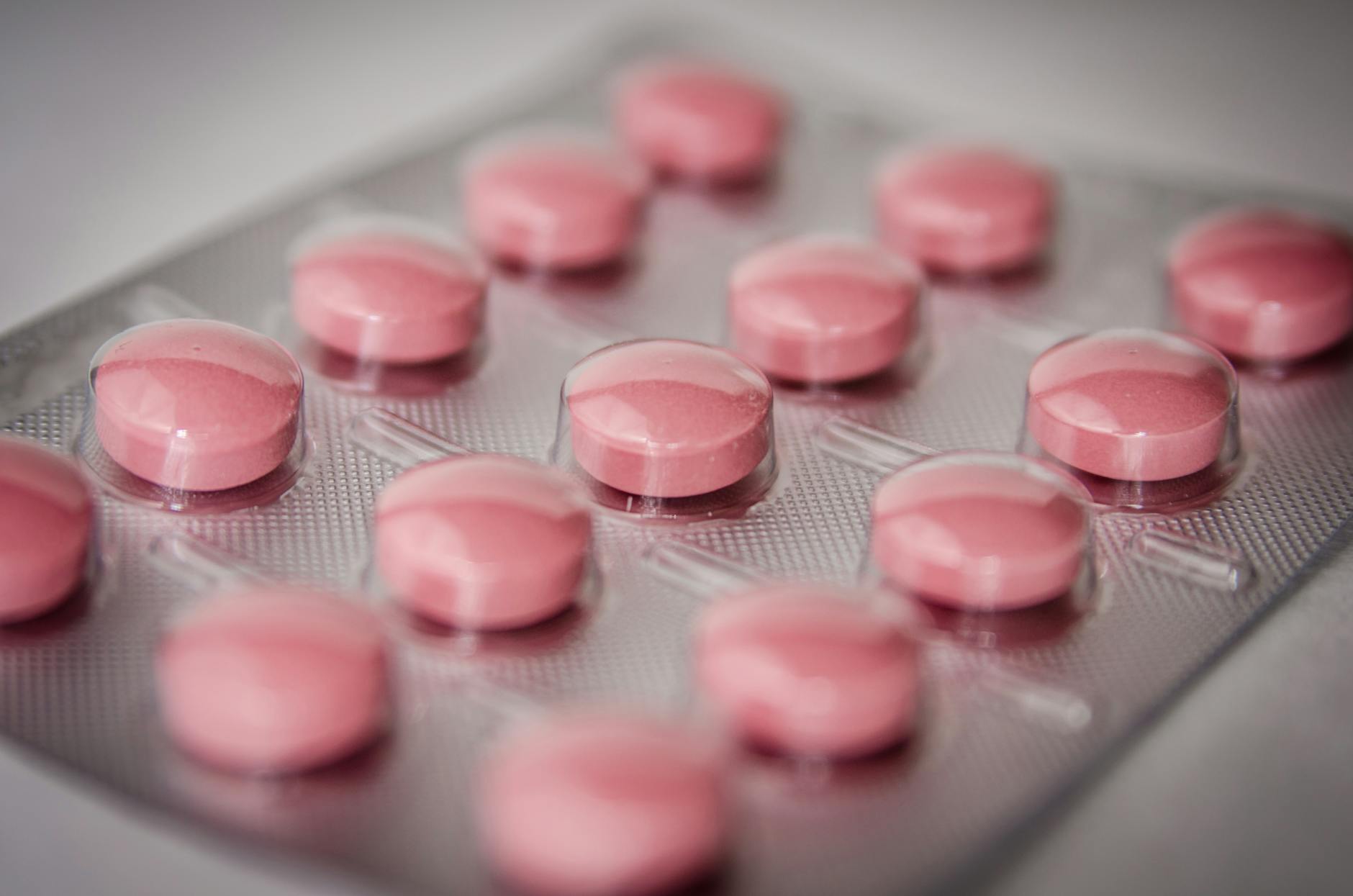
Plavix, with the active ingredient clopidogrel, is a vital medication prescribed to reduce the risk of serious cardiovascular events like heart attacks and strokes in specific adult populations. As an antiplatelet drug, it works by preventing blood platelets from clumping together, which can form dangerous clots. This guide aims to provide clear, practical information about Plavix dosages for our readers in India, helping them understand how to take this medication safely and effectively under their doctor's guidance.
Plavix (clopidogrel) is a prescription medication that belongs to a class of drugs known as antiplatelet agents. Its primary function is to inhibit the activation and aggregation of platelets, which are small blood cells responsible for forming clots. By reducing platelet stickiness, Plavix helps to prevent the formation of blood clots that can block arteries, leading to heart attacks, strokes, and other circulatory problems.
It is typically prescribed for adults who have experienced a recent heart attack or stroke, or who have peripheral artery disease (PAD). In some cases, it may also be used for individuals with certain types of acute coronary syndrome (ACS), often in combination with aspirin.
The dosage of Plavix is highly individualized and depends on several factors, including the specific medical condition being treated, the patient's age, and their overall health status. It is crucial to always follow the exact dosage instructions provided by your doctor. Self-adjusting the dose or stopping the medication without medical advice can have serious consequences.
In some treatment scenarios, particularly for acute coronary syndrome (ACS), doctors may prescribe a loading dose of Plavix at the beginning of treatment. A loading dose is a higher initial dose designed to achieve the therapeutic effect of the drug more rapidly. For Plavix, this might be a single dose of 300 mg.
Following the loading dose, or if a loading dose is not prescribed, the patient will typically transition to a maintenance dose. The maintenance dose is a lower, daily dose that helps to maintain a consistent level of the drug in the bloodstream and provide ongoing protection against clot formation. For Plavix, the standard maintenance dose is usually 75 mg once per day.
The specific dosage regimen for Plavix is tailored to the condition it is treating:
For patients aged 65 years and older, the standard maintenance dose of Plavix is typically 75 mg once per day. The decision regarding a loading dose for ACS in this age group is made by the doctor on a case-by-case basis, considering individual health factors.
Plavix is available as a tablet that is meant to be swallowed whole with water. It can be taken with or without food. It is essential to take your Plavix tablet at the same time each day to maintain a consistent level of the medication in your body.
Important Considerations:
Plavix is commonly available in two strengths:
Your doctor will prescribe the appropriate strength and dosage based on your medical needs.
If you forget to take a dose of Plavix, take it as soon as you remember. However, if it is almost time for your next scheduled dose, skip the missed dose and continue with your regular dosing schedule. Do not take a double dose to make up for a missed one. If you are unsure about what to do, contact your doctor or pharmacist for advice.
Taking more Plavix than prescribed can increase the risk of bleeding. If you suspect you have taken too much Plavix, seek medical attention immediately. You can contact your doctor, call emergency services (like 108 in India), or reach out to a poison control center. If you experience severe symptoms, such as excessive bleeding or difficulty breathing, call for emergency medical help right away.
Plavix is often used as a long-term treatment. The decision to continue Plavix therapy is made by your doctor based on its effectiveness and safety for your specific condition. It is crucial not to stop taking Plavix without consulting your doctor, as this can increase the risk of heart attack or stroke.
It is essential to consult your doctor before starting Plavix or if you have any questions or concerns about your medication. You should also consult your doctor if:
Like all medications, Plavix can cause side effects. The most common side effect is an increased risk of bleeding. Other potential side effects may include:
If you experience any severe or persistent side effects, contact your doctor immediately.
While Plavix is a crucial medication for preventing cardiovascular events, it is most effective when combined with a healthy lifestyle. This includes:
It is generally advised to avoid non-steroidal anti-inflammatory drugs (NSAIDs) like ibuprofen or naproxen while taking Plavix, as they can increase the risk of bleeding. Always consult your doctor before taking any new medication, including over-the-counter pain relievers.
The duration of Plavix treatment varies depending on your specific condition and your doctor's assessment of your risk factors. Some individuals may need to take it long-term. Never stop taking Plavix without discussing it with your healthcare provider.
If you notice any signs of bleeding, such as prolonged bleeding from cuts, frequent nosebleeds, blood in your urine or stool, or unusual bruising, contact your doctor immediately. In case of severe bleeding, seek emergency medical attention.
Yes, clopidogrel, the active ingredient in Plavix, is available in generic forms in India. Generic medications contain the same active ingredient and are therapeutically equivalent to their brand-name counterparts but are often more affordable. Discuss generic options with your doctor or pharmacist.
Disclaimer: This information is intended for educational purposes only and does not constitute medical advice. Always consult with a qualified healthcare professional for any health concerns or before making any decisions related to your health or treatment.
Visit Hospital
Near You

Confused about whether CBD can get you high? Understand the difference between CBD and THC, their effects on your body, and what to look for in safe, non-intoxicating CBD products.
April 1, 2026

Learn about anticoagulants and antiplatelet drugs, often called blood thinners. Understand how they prevent blood clots, when they're prescribed, their side effects, and essential safety tips for Indian readers.
April 1, 2026

Confused about Plan B and abortion pills? Understand the key differences, how they work, and their effectiveness for informed reproductive health decisions.
April 1, 2026