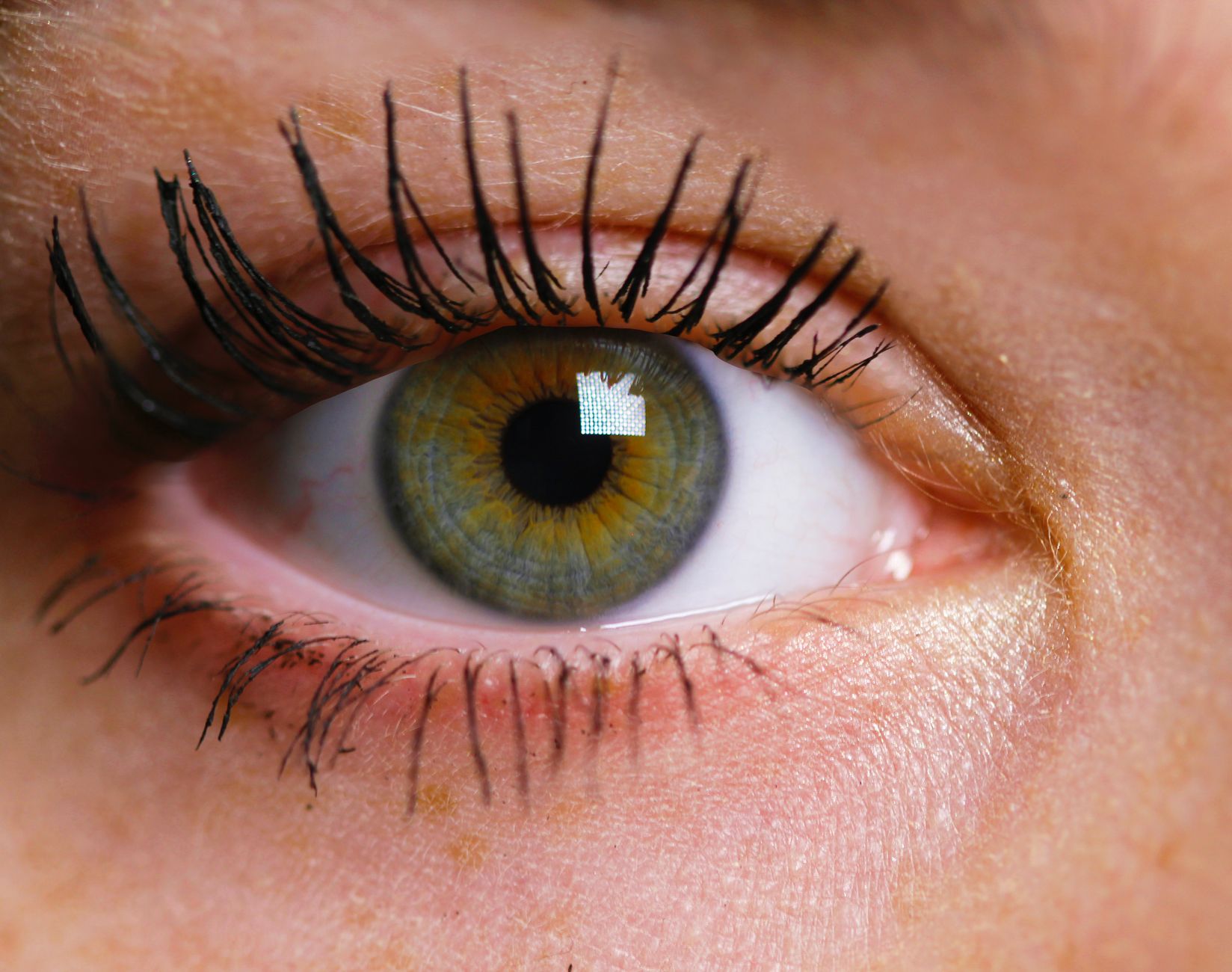
Understanding Preservative-Free Eye Drops: A Gentle Approach to Eye Care
Our eyes work hard for us every day, from focusing on screens to shielding us from dust. When they feel dry, irritated, or tired, eye drops can offer much-needed relief. However, have you ever considered what’s in those eye drops? Many common over-the-counter eye drops contain an ingredient called benzalkonium chloride (BAK). While intended to preserve the drops and prevent bacterial growth, BAK can sometimes cause more harm than good, especially with frequent use.
A growing body of research and expert opinion suggests that BAK might actually be counterproductive for certain eye conditions, particularly dry eye syndrome. Think of BAK as a detergent. It can disrupt the delicate oil layer on your eye’s tear film. This disruption can, over time, worsen dry eye symptoms. For individuals who rely on eye drops regularly to manage allergies, redness, or dryness, this is a significant concern. Fortunately, there’s a better option emerging: preservative-free eye drops.
Why Opt for Preservative-Free? The BAK Dilemma
Benzalkonium chloride (BAK) is a common preservative found in many multi-dose eye drop bottles. Its primary role is to keep the solution sterile after you open it. However, its chemical nature can be harsh on the sensitive tissues of the eye.
- Disrupts Tear Film: BAK can break down the natural lipid layer of your tears, which is essential for preventing evaporation and keeping your eyes moist and comfortable.
- Causes Irritation: For many people, BAK can cause or exacerbate redness, stinging, and general irritation. This is especially true for those with sensitive eyes or pre-existing conditions like dry eye.
- Reduces Antibiotic Effectiveness: Studies indicate that BAK can actually make antibiotic eye drops less effective. If you’re using drops to treat an infection, this is a critical drawback.
- Potential Toxicity: In some cases, consistent exposure to BAK can be toxic to the eye’s surface cells, potentially leading to long-term issues.
- Allergic Reactions: Some individuals are simply allergic to BAK, experiencing immediate redness, itching, and inflammation upon use.
Who Benefits Most from Preservative-Free Options?
If you find yourself reaching for eye drops more than a couple of times a week, preservative-free might be a game-changer for you. This includes people who:
- Suffer from chronic dry eye.
- Have sensitive eyes or a history of eye irritation.
- Wear contact lenses regularly.
- Use medicated eye drops (like antibiotics or glaucoma medications) frequently.
- Experience allergies that cause eye redness and itching.
Consider this scenario: Priya uses eye drops almost daily to combat the dryness from long hours working on her computer. She recently noticed her eyes felt more irritated than usual, even right after using her drops. Her eye doctor explained that the preservative in her regular drops might be contributing to the problem and suggested she try a preservative-free version.
Preservative-Free Eye Drops for Contact Lens Wearers
Wearing contact lenses can already put extra demands on your eyes. Using eye drops to lubricate them or relieve dryness is common. However, it’s vital to use products specifically designed for contact lens compatibility. Preservative-free lubricating drops are often recommended for contact lens wearers because they are gentler and less likely to interact negatively with the lens material or your eye’s surface.
Dr. Barbara Horn, president of the American Optometric Association, emphasizes, “It’s very important that contact lens wearers use the drops/solutions recommended for them as those drops would be appropriate for [their] condition and specifically compatible with contact lenses.” Always check the product label or ask your eye care professional for guidance.
When Over-the-Counter Drops Aren't Enough: Seeking Professional Help
While preservative-free eye drops can offer significant relief for many common eye issues, they are not a cure-all. If you experience any of the following symptoms, it’s essential to consult an eye doctor immediately:
- Thick, coloured discharge from your eyes.
- Extreme sensitivity to light (photophobia).
- Excessively red, itchy, or painful eyes.
- Sudden changes in vision.
- Pain or sensitivity to light while wearing contact lenses (this could signal a corneal ulcer).
These symptoms could indicate a more serious condition, such as an eye infection or a corneal issue, that requires professional diagnosis and treatment, often with prescription medications like antibiotic drops.
Exploring Prescription Options
For individuals with chronic dry eye that doesn’t respond to over-the-counter treatments, prescription eye drops might be necessary. For example, Restasis Multidose is a preservative-free option available by prescription that helps increase your eyes’ natural ability to produce tears. Discussing your symptoms and history with your eye doctor is the best way to determine if a prescription drop is right for you.
Making the Switch: What to Look For
Switching to preservative-free eye drops is a straightforward step you can take towards better eye comfort. Look for products explicitly labeled “preservative-free.” They often come in single-use vials or special multi-dose containers designed to keep the solution sterile without preservatives. When in doubt, always ask your pharmacist or eye doctor for a recommendation.
The Takeaway: Prioritize Gentle Eye Care
Our eyes deserve the gentlest care possible. While the convenience of multi-dose eye drops is undeniable, the potential downsides of preservatives like BAK warrant consideration, especially for frequent users. Early research and expert advice point towards preservative-free eye drops as a more effective and less irritating option for lubricating and protecting your eyes. If you use eye drops regularly or experience persistent eye discomfort, talk to your eye doctor about making the switch. Your eyes will thank you!
Frequently Asked Questions (FAQ)
- Are preservative-free eye drops safe for daily use? Yes, preservative-free eye drops are generally considered safe for daily or even more frequent use, as they lack the potentially irritating chemicals found in preserved versions.
- Can preservative-free eye drops help with allergies? Yes, they can help soothe itchy, watery eyes caused by allergies by providing lubrication and flushing out allergens, without the added irritation from preservatives.
- How do preservative-free eye drops stay sterile? They often come in single-use vials or in special multi-dose bottles with advanced dispensing tips that prevent contamination after opening.
- What’s the difference between lubricating drops and those for specific conditions? Lubricating drops primarily add moisture. Drops for conditions like dry eye, glaucoma, or infections contain active ingredients to treat the underlying issue. Always use drops as directed by your doctor.