

Emergency & Help
24/7 Emergency & General Advisory
🚨 24/7 Medical Emergency
Non-Emergency Advisory
10:00 AM – 6:00 PM, Mon–Sat
For appointments & general queries.
24/7 Emergency & General Advisory
🚨 24/7 Medical Emergency
Non-Emergency Advisory
10:00 AM – 6:00 PM, Mon–Sat
For appointments & general queries.
Stay updated with our latest healthcare news and your appointments.
Learn about Promacta (eltrombopag), a prescription drug for blood disorders. Understand its uses, dosage, side effects, and precautions for Indian patients.
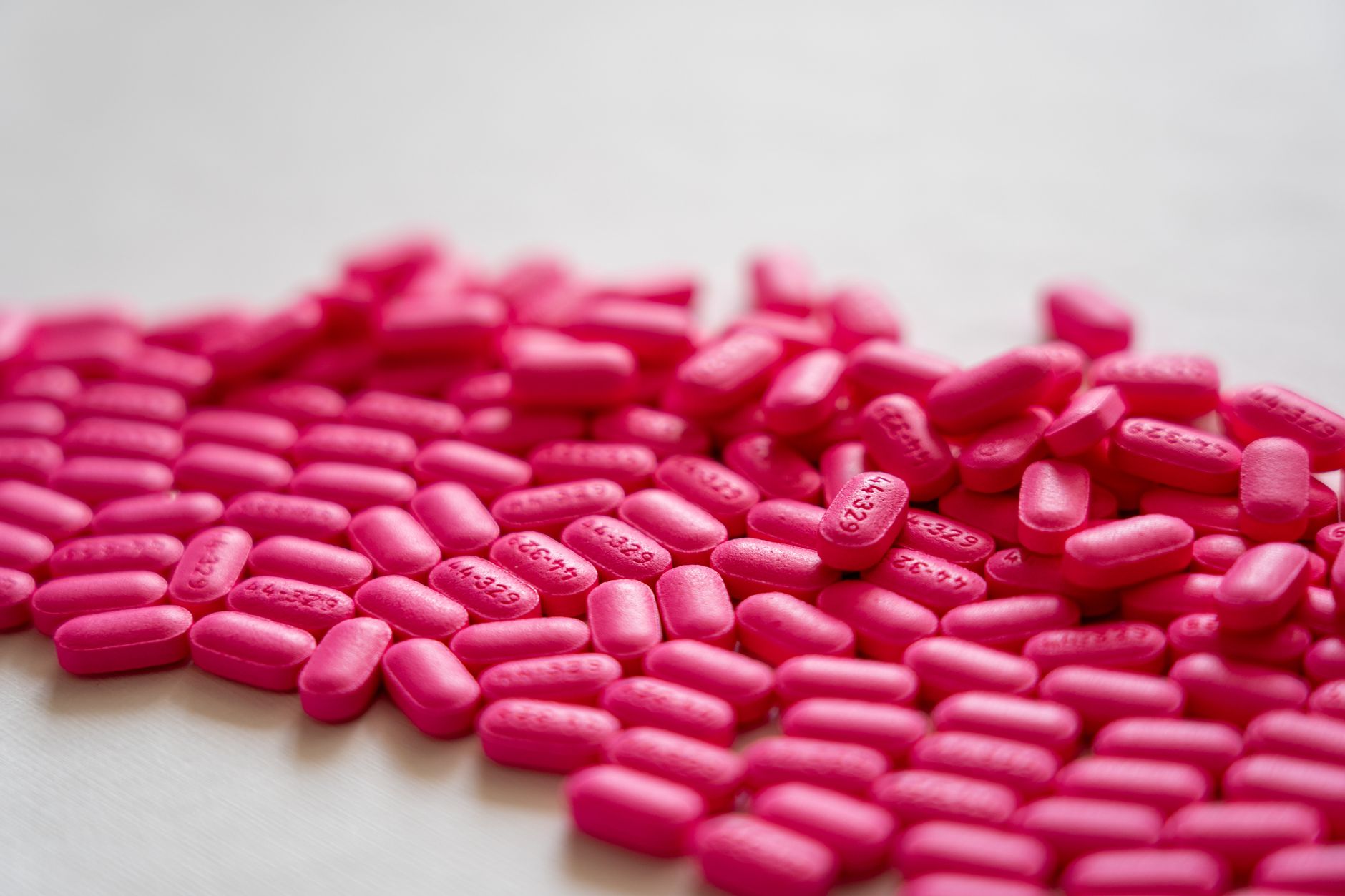
Understanding Promacta (Eltrombopag) for Blood Disorders Promacta, with the active ingredient eltrombopag, is a prescription medication used to manage certain blood disorders characterized by low platelet counts. It is available in two forms: an oral tablet and a powder that is mixed with water to create a liquid suspension. These forms come in various strengths to suit individual needs. Promacta is not a generic drug; it is a brand-name medication. This guide aims to provide comprehensive information about Promacta, its uses, potential side effects, and important precautions for Indian readers. What is Promacta Used For? Promacta is prescribed for specific conditions involving low platelet levels (thrombocytopenia). These include: Chronic Immune Thrombocytopenia (ITP): In adults and some children with long-term ITP, Promacta helps increase platelet counts. ITP is an autoimmune disorder where the body’s immune system attacks and destroys its own platelets. Chronic Hepatitis C: For adults with chronic hepatitis C, Promacta can be used to manage low platelet counts that may occur as a side effect of the viral infection or its treatment. Maintaining adequate platelet levels is crucial for managing hepatitis C and preventing complications. Severe Aplastic Anemia: In adults and some children diagnosed with severe aplastic anemia, Promacta may be used. Aplastic anemia is a rare condition where the bone marrow doesn't produce enough blood cells, including platelets. It's important to note that Promacta is used in certain situations for these conditions, and your doctor will determine if it is the right treatment for you based on your specific health status and the severity of your condition. How Promacta Works The active ingredient in Promacta is eltrombopag. Eltrombopag works by stimulating the bone marrow to produce more platelets. It acts on the receptors in the bone marrow that are responsible for platelet production, thereby helping to increase the platelet count in the blood. Dosage and Administration Promacta is available as an oral tablet in strengths of 12.5 mg, 25 mg, 50 mg, and 75 mg. It is also available as a powder for oral suspension in strengths of 12.5 mg and 25 mg. Your doctor will prescribe the appropriate dosage and form based on your condition and response to treatment. Important Administration Instructions: Promacta should be taken at least 2 hours before or 4 hours after consuming foods or drinks that are high in calcium. This is because calcium can interfere with the absorption of Promacta, potentially reducing its effectiveness. Examples of such foods and drinks include dairy products (milk, cheese, yogurt), calcium-fortified juices, and antacids containing calcium. There is no specific best time of day to take Promacta, but consistency is key. Try to maintain a regular schedule, ensuring the 2-hour before or 4-hour after rule for calcium-rich foods is followed. If you miss a dose, take it as soon as you remember, unless it is almost time for your next dose. In that case, skip the missed dose and continue with your regular schedule. Do not double up on doses. Potential Side Effects of Promacta Like all medications, Promacta can cause side effects, ranging from mild to serious. It's crucial to be aware of these potential effects and to report any concerns to your doctor. Mild Side Effects: Many mild side effects may resolve on their own within a few days or weeks. If they become bothersome, consult your doctor or pharmacist. Anemia (low red blood cell count) Swelling in the hands or lower legs Skin rash or changes in skin color (including darkening) Mild infections, such as the common cold or urinary tract infections (UTIs) Digestive issues: loss of appetite, diarrhea, nausea, vomiting Serious Side Effects: Serious side effects, while less common, require immediate medical attention. Serious Bleeding: This can occur, particularly after stopping treatment. Monitor for signs of unusual bruising or bleeding. Liver Damage and Liver Problems: Promacta carries a boxed warning regarding the risk of liver damage, especially in individuals with chronic hepatitis C. Regular liver function tests will likely be conducted by your doctor. Allergic Reactions: Although rare, some individuals may experience an allergic reaction to Promacta. Symptoms can include rash, itching, swelling, dizziness, or difficulty breathing. Boxed Warning: Promacta has a boxed warning for the risk of liver damage and liver problems in people with chronic hepatitis C. This is a serious warning that requires close monitoring by a healthcare professional. When to Consult a Doctor It is essential to seek medical advice promptly in the following situations: Allergic Reaction: If you suspect you are having an allergic reaction to Promacta, call your doctor immediately. If you believe you are experiencing a medical emergency, call 108 (or your local emergency number) or go to the nearest emergency room. Serious Side Effects: If you experience any signs of serious side effects, such as severe bleeding, jaundice (yellowing of the skin or eyes), severe abdominal pain, or persistent nausea/vomiting, contact your doctor right away. Overdose: If you believe you have taken too much Promacta, contact your doctor or a poison control center immediately. If symptoms are severe, call your local emergency number or go to the nearest emergency room. Concerns about Side Effects: Discuss any side effects you experience with your doctor, even if they seem mild. They can provide guidance on managing them or adjust your treatment if necessary. Precautions and Warnings Before starting Promacta, inform your doctor about your complete medical history, including: Any liver problems or a history of liver
In summary, timely diagnosis, evidence-based treatment, and prevention-focused care improve long-term health outcomes.
Visit Hospital
Near You

Confused about whether CBD can get you high? Understand the difference between CBD and THC, their effects on your body, and what to look for in safe, non-intoxicating CBD products.
April 1, 2026

Learn about anticoagulants and antiplatelet drugs, often called blood thinners. Understand how they prevent blood clots, when they're prescribed, their side effects, and essential safety tips for Indian readers.
April 1, 2026

Confused about Plan B and abortion pills? Understand the key differences, how they work, and their effectiveness for informed reproductive health decisions.
April 1, 2026