

Emergency & Help
24/7 Emergency & General Advisory
🚨 24/7 Medical Emergency
Non-Emergency Advisory
10:00 AM – 6:00 PM, Mon–Sat
For appointments & general queries.
24/7 Emergency & General Advisory
🚨 24/7 Medical Emergency
Non-Emergency Advisory
10:00 AM – 6:00 PM, Mon–Sat
For appointments & general queries.
Stay updated with our latest healthcare news and your appointments.
Learn about Qelbree dosage for adults and children with ADHD. Understand how to take viloxazine, its strengths, side effects, and when to consult a doctor for effective ADHD management.
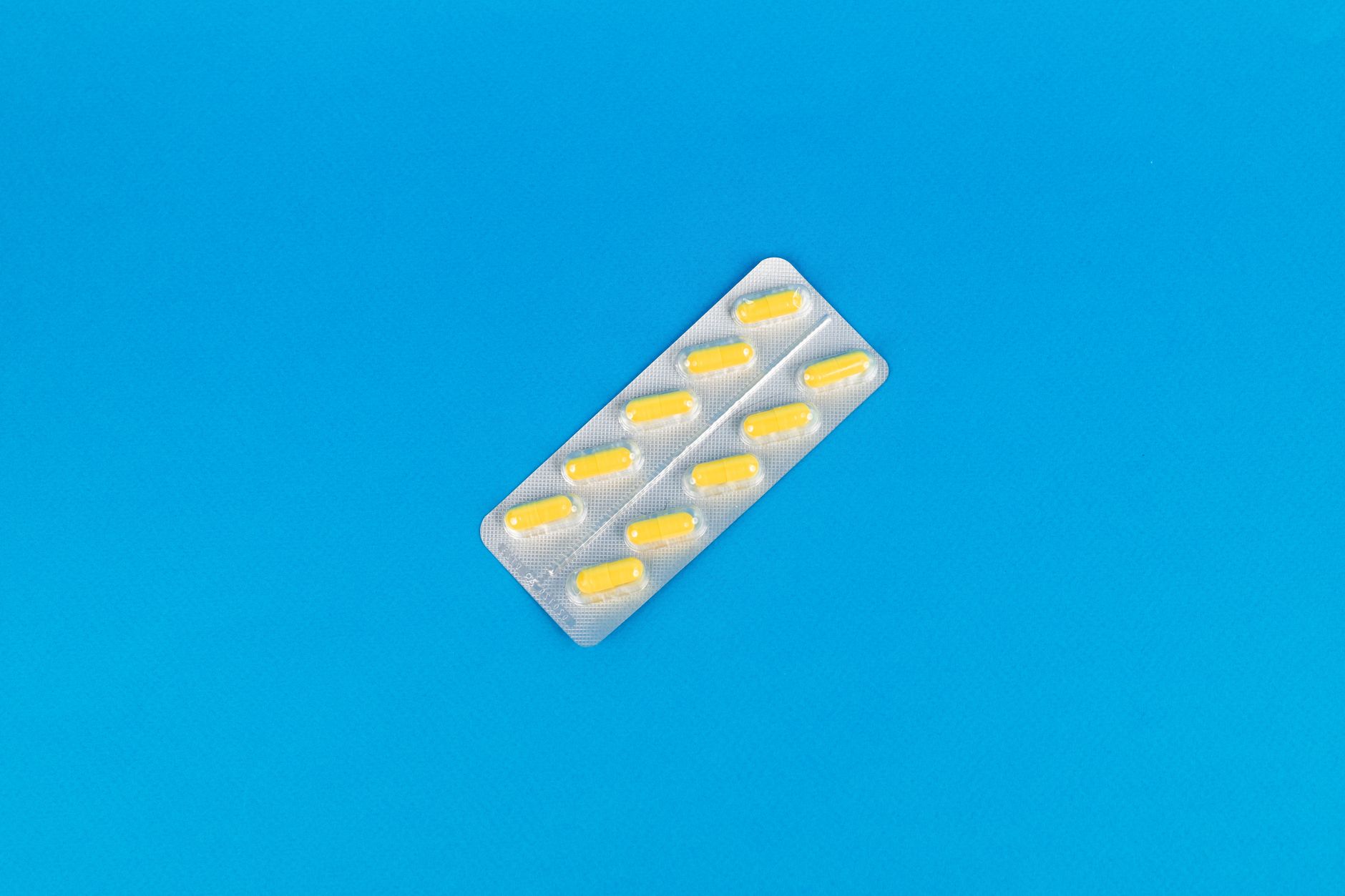
Attention Deficit Hyperactivity Disorder (ADHD) is a common neurodevelopmental disorder that affects millions of people worldwide, including many in India. It can manifest in childhood and persist into adulthood, impacting an individual's ability to focus, control impulses, and manage their energy levels. While behavioral therapies and lifestyle changes are crucial, medication often plays a significant role in managing ADHD symptoms. One such medication is Qelbree, known scientifically as viloxazine. This article delves into the specifics of Qelbree dosage, helping individuals and their caregivers understand how to take this medication safely and effectively for ADHD management.
Qelbree (viloxazine) is a prescription medication approved for the treatment of ADHD in children aged 6 to 17 years and adults. It belongs to a class of drugs known as selective norepinephrine reuptake inhibitors (SNRIs). Unlike stimulant medications commonly used for ADHD, Qelbree is a non-stimulant. It works by increasing the levels of norepinephrine, a neurotransmitter in the brain that plays a role in attention, focus, and impulse control. Qelbree is available as an extended-release oral capsule, meaning it is designed to release the medication slowly into the body over time, allowing for once-daily dosing.
For adults diagnosed with ADHD, the starting dosage of Qelbree is typically 200 mg taken once daily. This initial dose is designed to allow the body to adjust to the medication. Over the following weeks, a doctor may gradually increase the dosage by 200 mg increments each week, depending on how the individual responds and tolerates the medication. The goal is to find the lowest effective dose that manages ADHD symptoms without causing significant side effects. The maximum recommended daily dosage for adults is 600 mg.
It is crucial for adults to follow their doctor's prescription precisely. Self-adjusting the dosage or stopping the medication without medical advice can be detrimental to treatment effectiveness and safety.
Qelbree is also approved for use in children and adolescents aged 6 to 17 years. The dosage for this age group is determined by their specific age, as their bodies may metabolize medication differently. Doctors will consider the child's age, weight, and overall health when prescribing Qelbree.
For younger children in this age group, the starting dosage is usually 100 mg once daily. Similar to adults, the doctor may increase the dose weekly by 100 mg increments until the desired therapeutic effect is achieved. The maximum daily dosage for children aged 6 to 11 years is 400 mg.
For older children and adolescents, the starting dosage is typically 200 mg once daily. After the first week of treatment, the doctor may increase the dose to 400 mg daily. This 400 mg daily dose is generally considered the maximum dosage for this age group.
It is essential for parents and guardians to administer Qelbree to children exactly as prescribed and to monitor for any changes in behavior or side effects. If there are any concerns, consulting the pediatrician is paramount.
Qelbree is an extended-release capsule that should be swallowed whole with water. It should not be chewed, crushed, or opened. The capsule can be taken with or without food. However, if you are mixing Qelbree with certain foods, such as applesauce or pudding, it's important to consume the mixture promptly:
Taking Qelbree consistently at the same time each day can help maintain stable levels of the medication in the body and optimize its effectiveness.
Qelbree is available in several strengths to allow for precise dosage adjustments. The available strengths are:
The capsules are color-coded to help distinguish between the different strengths, making it easier for patients and caregivers to identify the correct dosage.
The onset of action for Qelbree can vary among individuals. Some people may notice an improvement in ADHD symptoms relatively quickly, while for others, it may take several weeks. Clinical studies have shown that Qelbree can begin to lessen symptoms within 6 weeks of starting treatment. It is important to be patient and continue taking the medication as prescribed. If you do not notice significant improvement after a reasonable period, discuss this with your doctor, who may consider adjusting the dosage or exploring other treatment options.
Like all medications, Qelbree can cause side effects. Common side effects may include:
It is important to report any persistent or bothersome side effects to your doctor. In some cases, a dosage adjustment might alleviate these issues.
Seek immediate medical attention if you experience any of the following:
Individuals with severe kidney problems may require a lower dosage of Qelbree. Your doctor will monitor your kidney function and adjust the dosage accordingly.
Qelbree can interact with other medications. It is crucial to inform your doctor about all the medications, supplements, and herbal products you are currently taking to avoid potentially harmful interactions. Your doctor may need to adjust the Qelbree dosage or the dosage of other medications.
It is important to note that Qelbree is not approved for weight loss or weight management. Therefore, there is no recommended dosage for these purposes. Relying on Qelbree for weight control is not advised, and individuals seeking to manage their weight should consult with a healthcare professional for appropriate strategies.
If you suspect you or someone else has taken too much Qelbree, contact your doctor immediately. You can also reach out to India's poison control centers for guidance. In case of severe symptoms, such as difficulty breathing, extreme drowsiness, or loss of consciousness, call emergency services (like 108 or 112 in India) or go to the nearest emergency room without delay.
Managing ADHD effectively often involves a personalized approach, and medication like Qelbree plays a vital role for many. Understanding the correct dosage, how to take the medication, and potential side effects is crucial for successful treatment. Always adhere to your doctor's instructions regarding Qelbree dosage and never make changes to your medication regimen without consulting them. With proper medical guidance and adherence, Qelbree can be a valuable tool in managing ADHD symptoms and improving the quality of life for individuals in India and around the world.
Yes, Qelbree is often used as a long-term treatment for ADHD. Your doctor will determine if it is safe and effective for your condition and discuss the duration of treatment with you. If both you and your doctor agree, you may continue taking Qelbree long-term.
If you miss a dose of Qelbree, take it as soon as you remember, unless it is almost time for your next scheduled dose. In that case, skip the missed dose and continue with your regular dosing schedule. Do not take a double dose to make up for a missed one. If you are unsure, consult your doctor or pharmacist.
Qelbree is a non-stimulant medication and is not considered to have a potential for abuse or addiction, unlike some stimulant medications used for ADHD.
No, Qelbree is approved for use in children aged 6 years and older. Its safety and effectiveness have not been established in children younger than 6.
The primary difference is that Qelbree is a non-stimulant, while other common ADHD medications are stimulants. Qelbree works by affecting norepinephrine levels, whereas stimulants directly increase dopamine and norepinephrine. Some individuals may respond better to non-stimulants, or they may be preferred for those who experience significant side effects with stimulants.
Visit Hospital
Near You

Confused about whether CBD can get you high? Understand the difference between CBD and THC, their effects on your body, and what to look for in safe, non-intoxicating CBD products.
April 1, 2026

Learn about anticoagulants and antiplatelet drugs, often called blood thinners. Understand how they prevent blood clots, when they're prescribed, their side effects, and essential safety tips for Indian readers.
April 1, 2026

Confused about Plan B and abortion pills? Understand the key differences, how they work, and their effectiveness for informed reproductive health decisions.
April 1, 2026