

Emergency & Help
24/7 Emergency & General Advisory
🚨 24/7 Medical Emergency
Non-Emergency Advisory
10:00 AM – 6:00 PM, Mon–Sat
For appointments & general queries.
24/7 Emergency & General Advisory
🚨 24/7 Medical Emergency
Non-Emergency Advisory
10:00 AM – 6:00 PM, Mon–Sat
For appointments & general queries.
Stay updated with our latest healthcare news and your appointments.
Explore Saxenda (liraglutide), a prescription injection for weight management. Learn about its mechanism, usage, potential side effects, and its role in a healthy lifestyle.
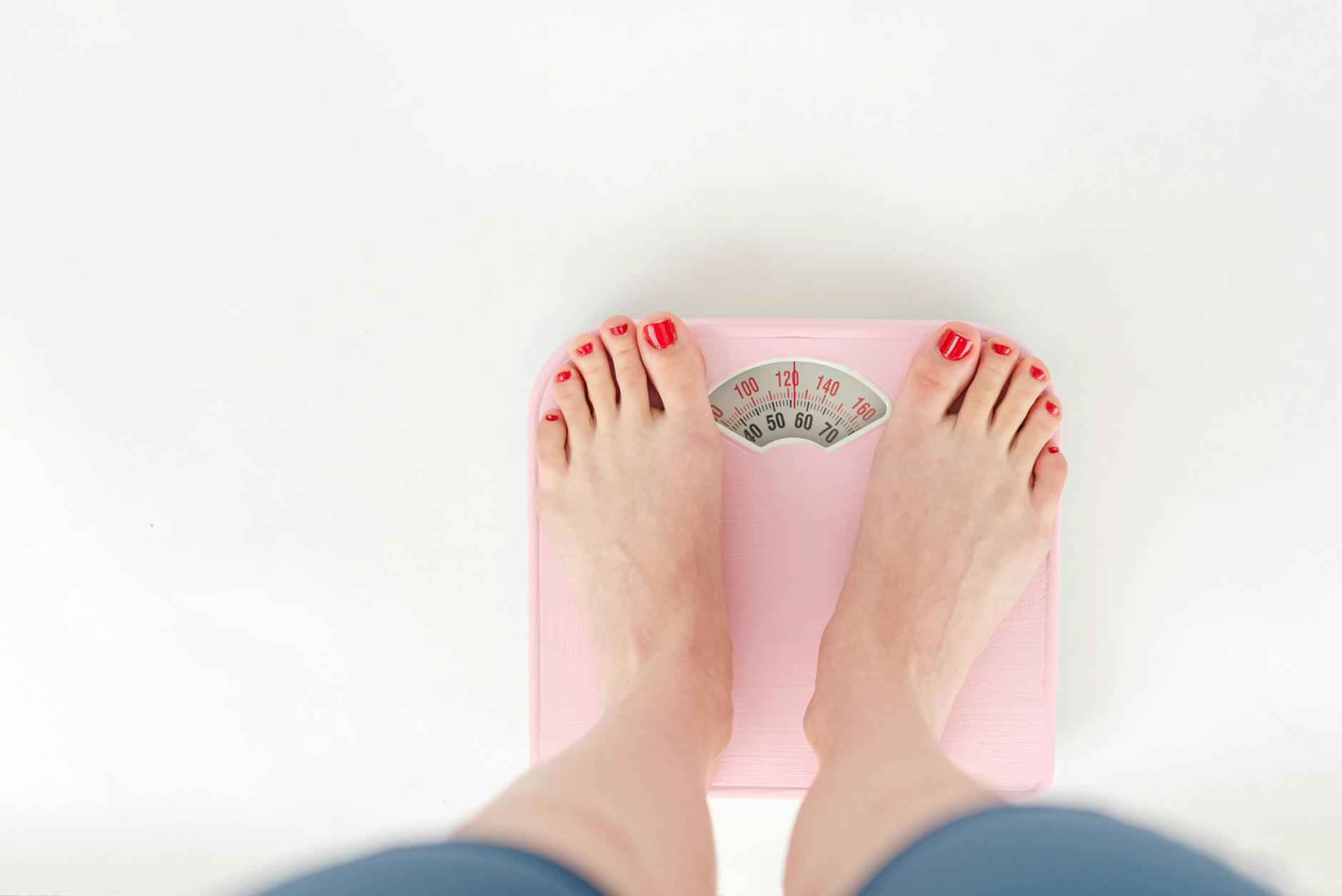
Navigating the journey of weight management can feel overwhelming, especially with so many options available. If you're considering medical assistance, you might have come across Saxenda. But what exactly is it, and how does it fit into a healthy lifestyle? Let's explore Saxenda, its active ingredient, how it works, and what you need to know if your doctor suggests it as part of your weight management plan. Remember, this information is for educational purposes and doesn't replace professional medical advice.
Saxenda is a prescription medication designed to help adults and certain children manage their weight. It's not a magic bullet, but rather a tool to support your efforts when combined with a reduced-calorie diet and increased physical activity. Think of it as a partner in your health journey, working alongside your lifestyle changes.
The key player in Saxenda is liraglutide. This active ingredient belongs to a class of drugs known as GLP-1 receptor agonists. Now, that might sound complicated, but let's break it down. GLP-1 (glucagon-like peptide-1) is a hormone naturally produced in your body. It plays a role in regulating blood sugar and, importantly for weight management, it helps control appetite.
Liraglutide mimics the action of your body's natural GLP-1. By doing so, it helps you feel fuller for longer, which can lead to eating less and, consequently, supporting weight loss. It's like giving your body's natural satiety signals a little boost.
Saxenda works on several fronts to aid in weight management:
It's crucial to understand that Saxenda is intended for individuals who are:
You might hear about other medications like Ozempic or Wegovy. While some share similarities, there are key distinctions:
Your doctor will consider your individual health needs and medical history to determine the most appropriate medication for you. Don't hesitate to discuss these options openly with your healthcare provider.
Saxenda is administered as a subcutaneous injection, meaning it's injected just under the skin. It comes in a prefilled pen, making it relatively easy to use at home. Your doctor or a healthcare professional will show you how to inject it correctly. Typically, it's injected once a day, at any time of day, with or without meals.
Key points for administration:
Like all medications, Saxenda can cause side effects. Most are mild and tend to decrease over time as your body adapts. However, some can be serious.
These mild side effects often resolve within a few days or weeks. Staying hydrated and communicating with your doctor can help manage them.
While less common, serious side effects require immediate medical attention. Contact your doctor right away if you experience:
Important Note: If you think you’re having a medical emergency, call 911 or your local emergency number immediately.
It's essential to have a thorough discussion with your doctor before starting Saxenda. They will assess if this medication is suitable for you based on your:
You should also consult your doctor if you experience any new or worsening symptoms while on Saxenda, particularly those related to the serious side effects mentioned above.
Saxenda is a tool, not a standalone solution. Sustainable weight management requires a holistic approach. Focus on:
Remember, the goal is not just weight loss but overall improved health and well-being.
No, Saxenda is not insulin. It is a GLP-1 receptor agonist, which is a different class of medication that helps regulate blood sugar and appetite.
While Saxenda can help with blood sugar control, its primary approved use is for weight management. Medications like Ozempic, which contain semaglutide, are more commonly prescribed for type 2 diabetes management.
Currently, Saxenda is a brand-name medication and is not available in generic form.
Saxenda is intended for long-term use as part of a comprehensive weight management plan. Your doctor will determine the duration of treatment based on your progress and individual needs.
If you stop taking Saxenda, you may regain some or all of the weight you lost. It is essential to continue with your healthy diet and exercise plan even after discontinuing the medication to maintain your results.
Saxenda can be prescribed to certain children who have obesity, under the guidance and supervision of a healthcare professional.
This information is intended for general knowledge and informational purposes only, and does not constitute medical advice. It is essential to consult with a qualified healthcare professional for any health concerns or before making any decisions related to your health or treatment.
Visit Hospital
Near You

Confused about whether CBD can get you high? Understand the difference between CBD and THC, their effects on your body, and what to look for in safe, non-intoxicating CBD products.
April 1, 2026

Learn about anticoagulants and antiplatelet drugs, often called blood thinners. Understand how they prevent blood clots, when they're prescribed, their side effects, and essential safety tips for Indian readers.
April 1, 2026

Confused about Plan B and abortion pills? Understand the key differences, how they work, and their effectiveness for informed reproductive health decisions.
April 1, 2026