

Emergency & Help
24/7 Emergency & General Advisory
🚨 24/7 Medical Emergency
Non-Emergency Advisory
10:00 AM – 6:00 PM, Mon–Sat
For appointments & general queries.
24/7 Emergency & General Advisory
🚨 24/7 Medical Emergency
Non-Emergency Advisory
10:00 AM – 6:00 PM, Mon–Sat
For appointments & general queries.
Stay updated with our latest healthcare news and your appointments.
An in-depth guide to Sprycel (dasatinib) for leukemia patients in India, covering its uses, side effects, dosage, precautions, and cost, written in clear, practical language.
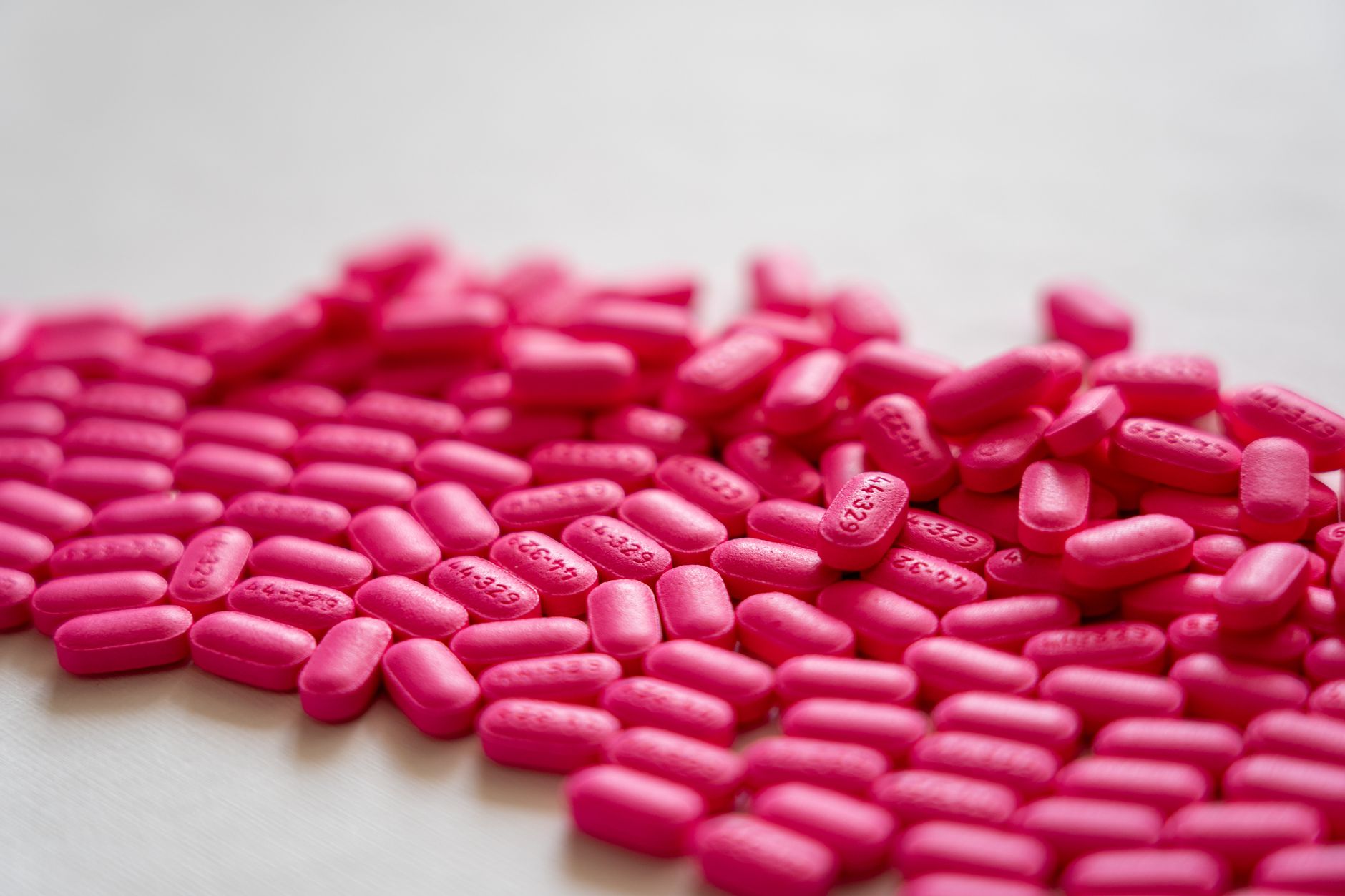
Leukemia, a formidable adversary affecting the blood and bone marrow, demands advanced treatment strategies. For patients in India grappling with specific forms of this cancer, Sprycel, with its active ingredient dasatinib, emerges as a significant therapeutic option. This medication, a member of the kinase inhibitor class, offers a beacon of hope, particularly for adults and certain children diagnosed with Philadelphia chromosome-positive chronic myeloid leukemia (Ph+ CML) and Philadelphia chromosome-positive acute lymphoblastic leukemia (Ph+ ALL). Understanding Sprycel is paramount for patients and their families, encompassing its uses, potential side effects, dosage, and crucial precautions. This guide aims to demystify Sprycel, providing clear, practical information tailored for the Indian context.
Sprycel is a prescription medication, exclusively available as a brand-name drug, that contains dasatinib. Its mechanism of action involves inhibiting specific kinases, enzymes that play a vital role in cell growth and division. By targeting these kinases, Sprycel effectively disrupts the proliferation of cancerous cells, making it a potent weapon against certain types of leukemia.
Sprycel is prescribed for distinct indications in leukemia treatment:
Sprycel is used to treat adults and children aged 1 year and older who have newly diagnosed Philadelphia chromosome-positive CML (Ph+ CML) in the chronic phase. CML is a slow-growing blood cancer that affects white blood cells. The Philadelphia chromosome is a genetic abnormality often found in CML cells.
In children aged 1 year and older, Sprycel is employed in combination with chemotherapy to treat newly diagnosed Philadelphia chromosome-positive acute lymphoblastic leukemia (Ph+ ALL). ALL is a more rapidly progressing cancer affecting white blood cells.
Sprycel is administered orally in tablet form, typically once daily. The dosage and strength (available in 20 mg, 50 mg, 70 mg, 80 mg, 100 mg, and 140 mg tablets) are determined by your doctor based on your specific condition, age, and response to treatment. It is imperative to follow your doctor's instructions precisely and not to alter the dosage or stop taking the medication without their explicit guidance. Consistency is key; take Sprycel at the same time each day to maintain optimal therapeutic levels.
Like all medications, Sprycel can cause side effects, ranging from mild to serious. It's important to be aware of these possibilities and to communicate any concerns with your healthcare provider.
While not exhaustive, here are some commonly reported mild side effects in adults and children taking Sprycel:
For children taking Sprycel in combination with chemotherapy, additional mild side effects might include:
Most mild side effects diminish over time, often within a few days or weeks. If they become persistent or bothersome, consult your doctor or pharmacist for management strategies.
While less common, Sprycel can lead to serious side effects that require immediate medical attention. These include:
Important Note: If you experience any signs of a serious side effect, contact your doctor immediately. If you believe you are facing a medical emergency, call 108 (India's emergency number) or your local emergency services without delay.
Before starting Sprycel, inform your doctor about your complete medical history, including any existing heart, lung, liver, or kidney conditions, as well as any history of bleeding or blood disorders. Discuss all medications, supplements, and herbal products you are taking, as Sprycel can interact with other substances.
Sprycel can harm a developing fetus. If you or your partner can become pregnant, you must use effective contraception during Sprycel treatment and for at least 30 days after the last dose. Your doctor will discuss appropriate birth control methods with you. Breastfeeding is not recommended while taking Sprycel and for at least 2 weeks after your last dose, as the drug may pass into breast milk.
Certain medications can interact with Sprycel, affecting its efficacy or increasing the risk of side effects. Always provide your doctor with an up-to-date list of everything you are taking.
You should consult your doctor immediately if you experience:
The cost of Sprycel in India can vary significantly depending on the pharmacy, location, and any available discounts or patient assistance programs. As a branded medication, it can be expensive. Patients are encouraged to discuss financial concerns with their healthcare provider and explore potential support options through pharmaceutical companies or charitable organizations.
Sprycel is not traditional chemotherapy. It is a targeted therapy medication belonging to a class called kinase inhibitors. However, it is sometimes used in combination with chemotherapy for certain types of leukemia.
Sprycel is a highly effective treatment for managing certain forms of leukemia, helping to control the disease and improve quality of life. While it can lead to long-term remission, whether it constitutes a complete
Overall, early action and medically verified advice remain the safest approach.
Visit Hospital
Near You

Confused about whether CBD can get you high? Understand the difference between CBD and THC, their effects on your body, and what to look for in safe, non-intoxicating CBD products.
April 1, 2026

Learn about anticoagulants and antiplatelet drugs, often called blood thinners. Understand how they prevent blood clots, when they're prescribed, their side effects, and essential safety tips for Indian readers.
April 1, 2026

Confused about Plan B and abortion pills? Understand the key differences, how they work, and their effectiveness for informed reproductive health decisions.
April 1, 2026