

Emergency & Help
24/7 Emergency & General Advisory
🚨 24/7 Medical Emergency
Non-Emergency Advisory
10:00 AM – 6:00 PM, Mon–Sat
For appointments & general queries.
24/7 Emergency & General Advisory
🚨 24/7 Medical Emergency
Non-Emergency Advisory
10:00 AM – 6:00 PM, Mon–Sat
For appointments & general queries.
Stay updated with our latest healthcare news and your appointments.
Explore Steglatro (ertugliflozin) dosage for type 2 diabetes. Learn about strengths, how to take it, monitoring, and important considerations for Indian readers.
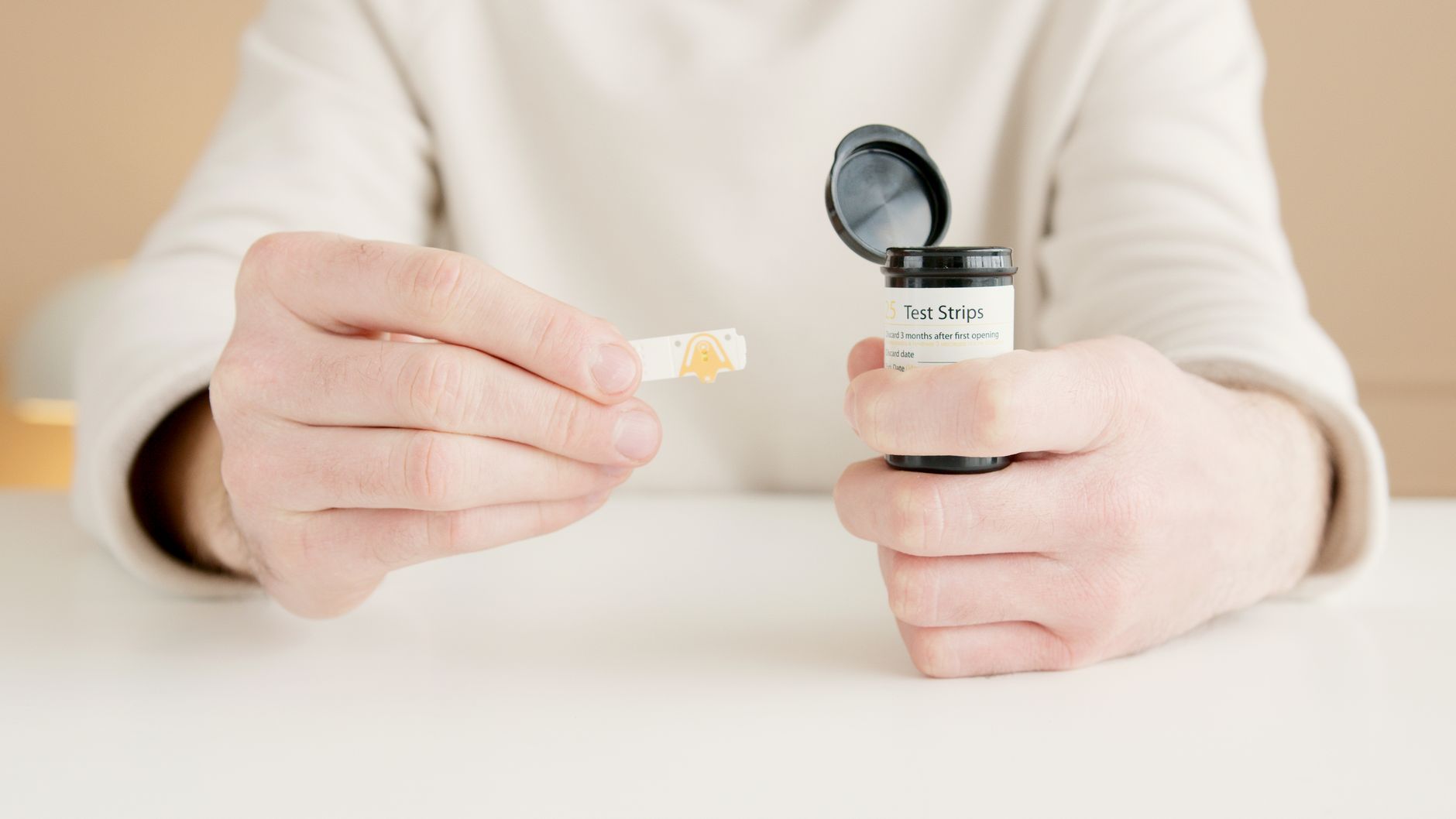
Managing type 2 diabetes is a journey, and sometimes, that journey requires a little extra help. Steglatro, with its active ingredient ertugliflozin, is one such helper. It's a prescription medication designed to work alongside a healthy diet and regular exercise to keep your blood sugar levels in check. But how does it work? And more importantly, how do you use it effectively? Let's dive into the world of Steglatro dosage, understanding its strengths, how to take it, and what to expect. Remember, this information is for guidance; your doctor's prescription is your ultimate roadmap.
Steglatro belongs to a class of drugs known as sodium-glucose co-transporter 2 (SGLT2) inhibitors. Think of your kidneys as a sophisticated filter for your blood. Normally, they reabsorb most of the glucose (sugar) back into your bloodstream. SGLT2 inhibitors, like Steglatro, work by blocking this reabsorption process in the kidneys. This means that more glucose is removed from your body through your urine, effectively lowering your blood sugar levels. It's a smart way to manage hyperglycemia, especially for adults living with type 2 diabetes. It's crucial to understand that Steglatro is NOT for type 1 diabetes, which has different management strategies.
The journey with Steglatro typically begins with a gentle approach. Your doctor will likely start you on a lower dose, often 5 mg once daily. This initial dosage allows your body to adjust and gives your doctor a baseline to work from. The goal is always to find the smallest dose that effectively controls your blood sugar without causing significant side effects. This personalized approach is key to successful diabetes management.
Timing can be important with medication. Steglatro is usually recommended to be taken in the morning. Whether you take it with food or on an empty stomach is generally flexible; your doctor will provide specific guidance. Consistency is your friend here – try to take it around the same time each day to maintain a steady level of the medication in your system.
Steglatro comes in tablet form, making it easy to swallow. The available strengths are typically 5 mg and 15 mg. Your doctor will decide which strength is appropriate for you, often starting with the lower dose and titrating upwards if necessary. While the starting dose is usually 5 mg, your doctor might increase it to 10 mg or even the maximum of 15 mg per day if your blood sugar levels aren't adequately controlled. However, this increase is contingent on you tolerating the medication well. If you experience bothersome side effects, your doctor will not increase the dosage and will reassess your treatment plan.
Taking Steglatro is just one part of the equation. Close monitoring of your blood sugar levels is essential. Your doctor will likely perform regular A1C tests, which give an average of your blood sugar control over the past 2-3 months. They may also instruct you to monitor your blood sugar at home using a glucose meter. This dual approach provides a comprehensive picture of how well Steglatro is working and if any dosage adjustments are needed. This proactive monitoring helps catch potential issues early and ensures your treatment remains effective.
Life happens, and sometimes doses get missed. If you miss a dose of Steglatro, take it as soon as you remember, unless it's almost time for your next dose. In that case, skip the missed dose and go back to your regular schedule. Do not double up on doses. If you suspect you've taken too much Steglatro, it's vital to seek immediate medical attention. You can contact your doctor, call India’s national poison control helpline (1-800-222-1222), or if your symptoms are severe, call 112 (or your local emergency number) or go to the nearest emergency room. Overdosing can lead to serious complications.
As we age, our bodies change, and so do our health needs. For individuals aged 65 years and older, Steglatro has shown similar effectiveness compared to younger adults. However, the risk of certain side effects might increase with age. Additionally, kidney function can naturally decline as people get older. Your doctor will consider these factors and may monitor your kidney function more closely. It's important to have an open conversation with your doctor about your age and any other health conditions you may have.
If you have a scheduled surgery, it's important to inform your surgeon and doctor that you are taking Steglatro. Sometimes, doctors recommend temporarily stopping Steglatro a few days before a surgical procedure. This is often done to manage risks associated with anesthesia and the body's stress response during surgery. You'll typically resume taking the medication after your surgery, as advised by your healthcare provider.
Our bodies react to stress, and this can significantly impact blood sugar levels. Illness, infection, surgery, or even intense emotional stress can cause fluctuations. If you experience such conditions, your doctor might need to adjust your Steglatro dosage temporarily. It's essential to communicate any significant health changes or stressful events to your doctor promptly. They can help you navigate these changes and ensure your diabetes management remains on track.
While Steglatro is generally safe and effective, it's important to be aware of potential serious side effects. One such rare but life-threatening condition is diabetic ketoacidosis (DKA). DKA can occur even if your blood sugar levels are not very high. Symptoms include:
If you experience any of these symptoms, seek emergency medical help immediately. Your doctor will assess your risk factors for DKA before prescribing Steglatro and will monitor you closely.
A1: No, Steglatro is specifically approved for managing type 2 diabetes in adults. It is not suitable for individuals with type 1 diabetes.
A2: Steglatro is typically a long-term treatment. If your doctor finds it safe and effective for you, you will likely continue taking it as part of your ongoing diabetes management plan.
A3: If your blood sugar levels are not within the target range set by your doctor, contact them. They may need to adjust your Steglatro dosage or consider other treatment options.
A4: Yes, like all medications, Steglatro can interact with other drugs. Always inform your doctor about all the medications, supplements, and herbal products you are taking to avoid potential interactions.
Your healthcare provider is your most important partner in managing type 2 diabetes. You should consult your doctor immediately if you experience any of the following:
Taking Steglatro requires understanding and active participation in your health. By staying informed about your medication, monitoring your levels, and maintaining open communication with your doctor, you can effectively manage your type 2 diabetes and live a healthier life.
Visit Hospital
Near You

Confused about whether CBD can get you high? Understand the difference between CBD and THC, their effects on your body, and what to look for in safe, non-intoxicating CBD products.
April 1, 2026

Learn about anticoagulants and antiplatelet drugs, often called blood thinners. Understand how they prevent blood clots, when they're prescribed, their side effects, and essential safety tips for Indian readers.
April 1, 2026

Confused about Plan B and abortion pills? Understand the key differences, how they work, and their effectiveness for informed reproductive health decisions.
April 1, 2026