

Emergency & Help
24/7 Emergency & General Advisory
🚨 24/7 Medical Emergency
Non-Emergency Advisory
10:00 AM – 6:00 PM, Mon–Sat
For appointments & general queries.
24/7 Emergency & General Advisory
🚨 24/7 Medical Emergency
Non-Emergency Advisory
10:00 AM – 6:00 PM, Mon–Sat
For appointments & general queries.
Stay updated with our latest healthcare news and your appointments.
Understand Sublocade dosage, strengths, and administration for treating opioid use disorder. Learn about the monthly injection schedule and what to do if you miss an appointment.
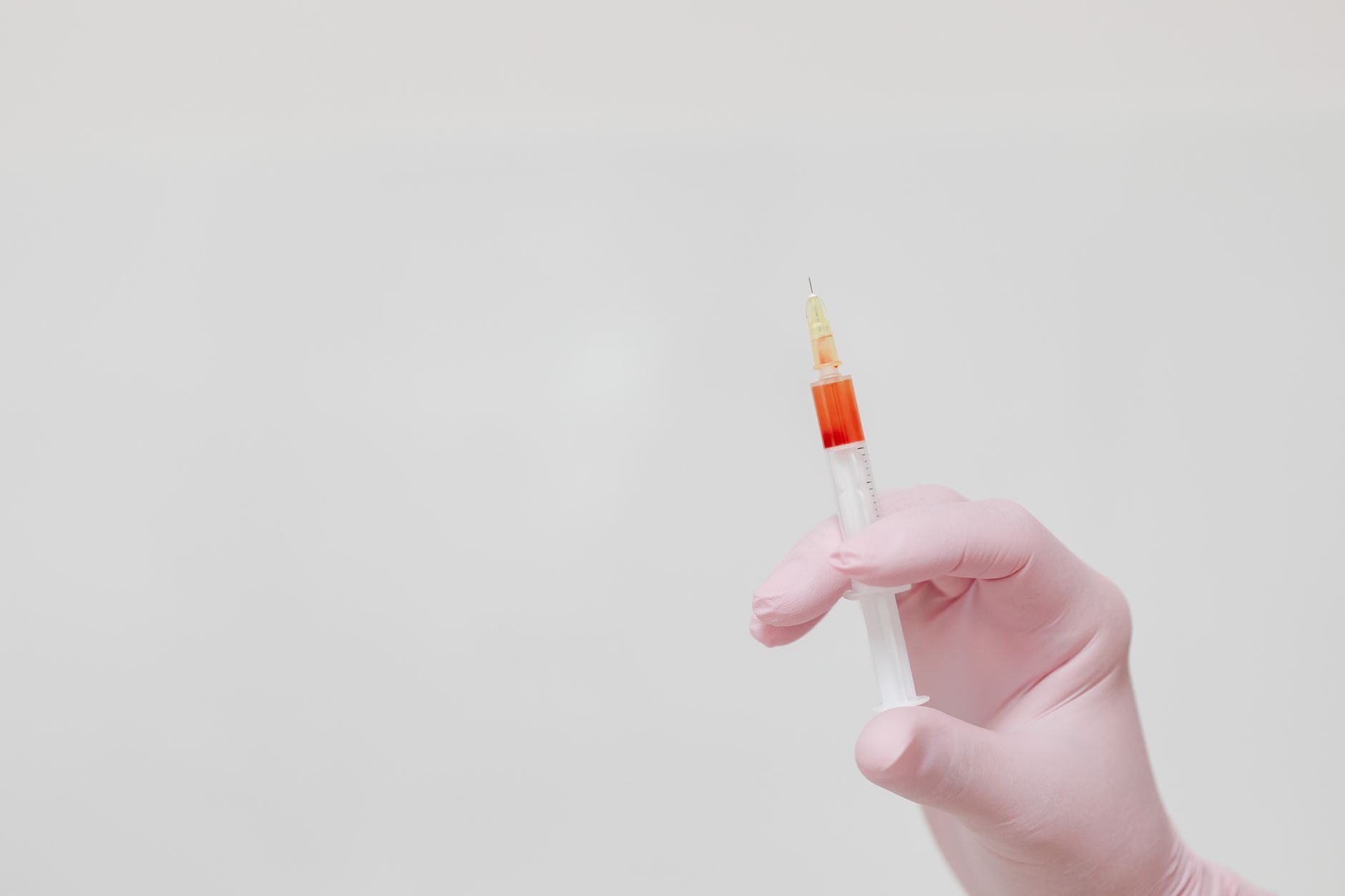
Navigating the path to recovery from opioid use disorder (OUD) can be challenging, but understanding your treatment options is a vital step. Sublocade, a prescription medication, offers a unique approach to managing OUD by providing a long-acting form of buprenorphine. This article aims to clarify the dosage details of Sublocade, helping you and your healthcare provider make informed decisions about your treatment journey.
Sublocade is an injectable medication designed to treat opioid use disorder in adults. Its active ingredient is buprenorphine, a partial opioid agonist. Unlike daily oral medications, Sublocade is administered as a monthly injection under the skin by a trained healthcare professional. This sustained-release formulation means that buprenorphine is released slowly into your body over the course of about a month, helping to reduce cravings and withdrawal symptoms associated with opioid dependence. It's important to note that Sublocade is typically initiated after you have successfully managed withdrawal symptoms with a different form of buprenorphine for at least seven days. This ensures your body is ready for the long-acting treatment.
Sublocade comes in two specific strengths to cater to individual treatment needs:
The concentration of the solution is 100 milligrams (mg) of buprenorphine per 0.5 milliliters (mL) of solution. Your doctor will carefully consider your response to the medication, your individual needs, and any potential side effects when determining the right strength and schedule for you.
The administration of Sublocade is straightforward and follows a structured schedule, usually managed by your healthcare provider:
Scenario: Imagine Rohan, who has been struggling with OUD for several years. He started Sublocade treatment and received the 300 mg injections for the first two months. He noticed a significant reduction in his daily cravings and felt more in control. At his three-month follow-up, his doctor reviewed his progress and decided that the 100 mg monthly injection would be sufficient to maintain his recovery, allowing for a potentially smoother transition in the long run.
Missing a Sublocade injection appointment can be concerning, but it's important to act promptly. If you miss your scheduled injection, call your doctor's office immediately to reschedule. The sooner you receive your next dose, the better it is for maintaining treatment continuity and preventing withdrawal symptoms. Your healthcare provider will advise you on the best course of action, but generally, aiming to get your next dose within two weeks of the missed appointment is recommended to help avoid withdrawal.
While Sublocade is administered by trained healthcare professionals, understanding potential risks is important. An overdose of buprenorphine, the active drug in Sublocade, can lead to serious side effects. These may include:
Because Sublocade is an injection given by a healthcare provider, the risk of accidental self-administration or overdose is significantly lower compared to daily oral medications. However, it is crucial to report any concerns about your dosage or potential side effects to your doctor immediately. If you experience severe symptoms, seek emergency medical help by calling 911 or your local emergency number.
One of the advantages of Sublocade is its rapid onset of action. After you receive your injection, the buprenorphine begins to be released into your system almost immediately. This means that you can expect cravings and withdrawal symptoms to start lessening shortly after your first Sublocade dose. This quick relief can be highly motivating and contribute significantly to the early stages of recovery.
Sublocade is generally considered a long-term treatment option for OUD. If you and your doctor determine that Sublocade is a safe and effective choice for your recovery, it is likely that you will continue with this treatment for an extended period. Long-term adherence to treatment is often key to sustained recovery and preventing relapse.
Regular communication with your healthcare provider is essential throughout your Sublocade treatment. You should consult your doctor if:
Your doctor is your primary resource for navigating your recovery journey. Don't hesitate to reach out with any questions or concerns.
No, Sublocade injections must be administered by a healthcare professional trained in giving the drug. You will not give these injections to yourself.
The primary difference lies in the delivery method and duration of action. Sublocade is a long-acting injectable given monthly, whereas other buprenorphine medications are typically taken daily as pills that dissolve under the tongue or in the cheek.
Sublocade contains buprenorphine, which is a partial opioid agonist. It is designed to help manage OUD by reducing cravings and withdrawal symptoms without producing the euphoric effects associated with full opioid agonists. When used as prescribed by a doctor, it should not cause a high.
If you suspect you have received too much Sublocade, contact your doctor immediately. You can also call the American Association of Poison Control Centers at 800-222-1222. In case of severe symptoms, call 911 or your local emergency number.
Visit Hospital
Near You

Confused about whether CBD can get you high? Understand the difference between CBD and THC, their effects on your body, and what to look for in safe, non-intoxicating CBD products.
April 1, 2026

Learn about anticoagulants and antiplatelet drugs, often called blood thinners. Understand how they prevent blood clots, when they're prescribed, their side effects, and essential safety tips for Indian readers.
April 1, 2026

Confused about Plan B and abortion pills? Understand the key differences, how they work, and their effectiveness for informed reproductive health decisions.
April 1, 2026