

Emergency & Help
24/7 Emergency & General Advisory
🚨 24/7 Medical Emergency
Non-Emergency Advisory
10:00 AM – 6:00 PM, Mon–Sat
For appointments & general queries.
24/7 Emergency & General Advisory
🚨 24/7 Medical Emergency
Non-Emergency Advisory
10:00 AM – 6:00 PM, Mon–Sat
For appointments & general queries.
Stay updated with our latest healthcare news and your appointments.
Understand the cost of Suboxone in India, factors influencing it, and strategies for potential savings, including generic options and pharmacy comparisons.
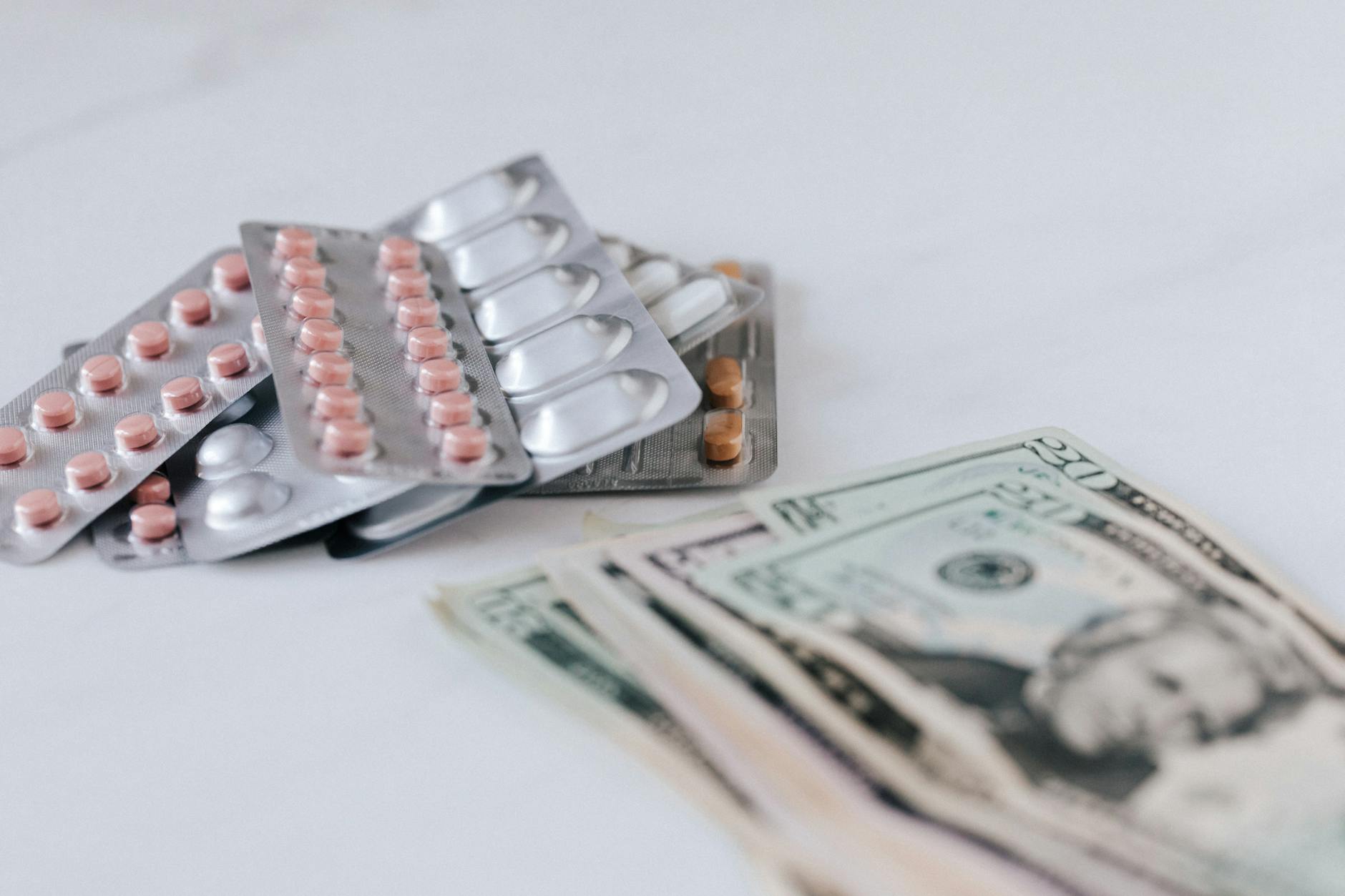
Suboxone, a vital medication for treating opioid dependence, can present a significant financial consideration for individuals in India. This blog post aims to provide a comprehensive overview of the factors influencing Suboxone's cost, explore potential savings, and guide you on how to manage these expenses effectively. It's important to note that while Suboxone is a widely recognized treatment globally, its availability and pricing in India may differ. This guide will focus on general principles and potential avenues for managing costs, assuming a hypothetical scenario for the Indian context.
The price you pay for Suboxone is not a fixed figure. Several elements contribute to its overall cost, making it crucial to understand these variables:
The availability of generic buprenorphine/naloxone films is a significant factor in making addiction treatment more accessible. Generic medications are bioequivalent to their brand-name counterparts, meaning they work the same way in your body. They undergo rigorous testing to ensure safety and efficacy. Therefore, opting for the generic version of Suboxone can lead to substantial cost reductions without compromising on the quality of care.
When discussing treatment options with your doctor, inquire about the availability and suitability of generic buprenorphine/naloxone films. Your doctor can advise whether this is an appropriate choice for your specific needs. It's also wise to check with your healthcare provider or pharmacist about insurance coverage, as some plans might have preferences or limitations regarding brand-name versus generic drugs.
Managing the long-term cost of Suboxone requires a proactive approach. Here are some strategies that can help:
This section adds practical context and preventive advice to help readers make informed healthcare decisions. It is important to verify symptoms early, consult qualified doctors, and avoid self-medication for persistent health issues.
Maintaining healthy routines, following prescribed treatment plans, and attending regular checkups can improve outcomes. If symptoms worsen or red-flag signs appear, immediate medical evaluation is recommended.
Track symptoms and duration.
Follow diagnosis and treatment from a licensed practitioner.
Review medication side effects with your doctor.
Seek urgent care for severe warning signs.
Visit Hospital
Near You

Confused about whether CBD can get you high? Understand the difference between CBD and THC, their effects on your body, and what to look for in safe, non-intoxicating CBD products.
April 1, 2026

Learn about anticoagulants and antiplatelet drugs, often called blood thinners. Understand how they prevent blood clots, when they're prescribed, their side effects, and essential safety tips for Indian readers.
April 1, 2026

Confused about Plan B and abortion pills? Understand the key differences, how they work, and their effectiveness for informed reproductive health decisions.
April 1, 2026