

Emergency & Help
24/7 Emergency & General Advisory
🚨 24/7 Medical Emergency
Non-Emergency Advisory
10:00 AM – 6:00 PM, Mon–Sat
For appointments & general queries.
24/7 Emergency & General Advisory
🚨 24/7 Medical Emergency
Non-Emergency Advisory
10:00 AM – 6:00 PM, Mon–Sat
For appointments & general queries.
Stay updated with our latest healthcare news and your appointments.
Learn about Tamiflu (oseltamivir) dosage for flu treatment and prevention in adults and children, including forms, strengths, and how to take it effectively in India.
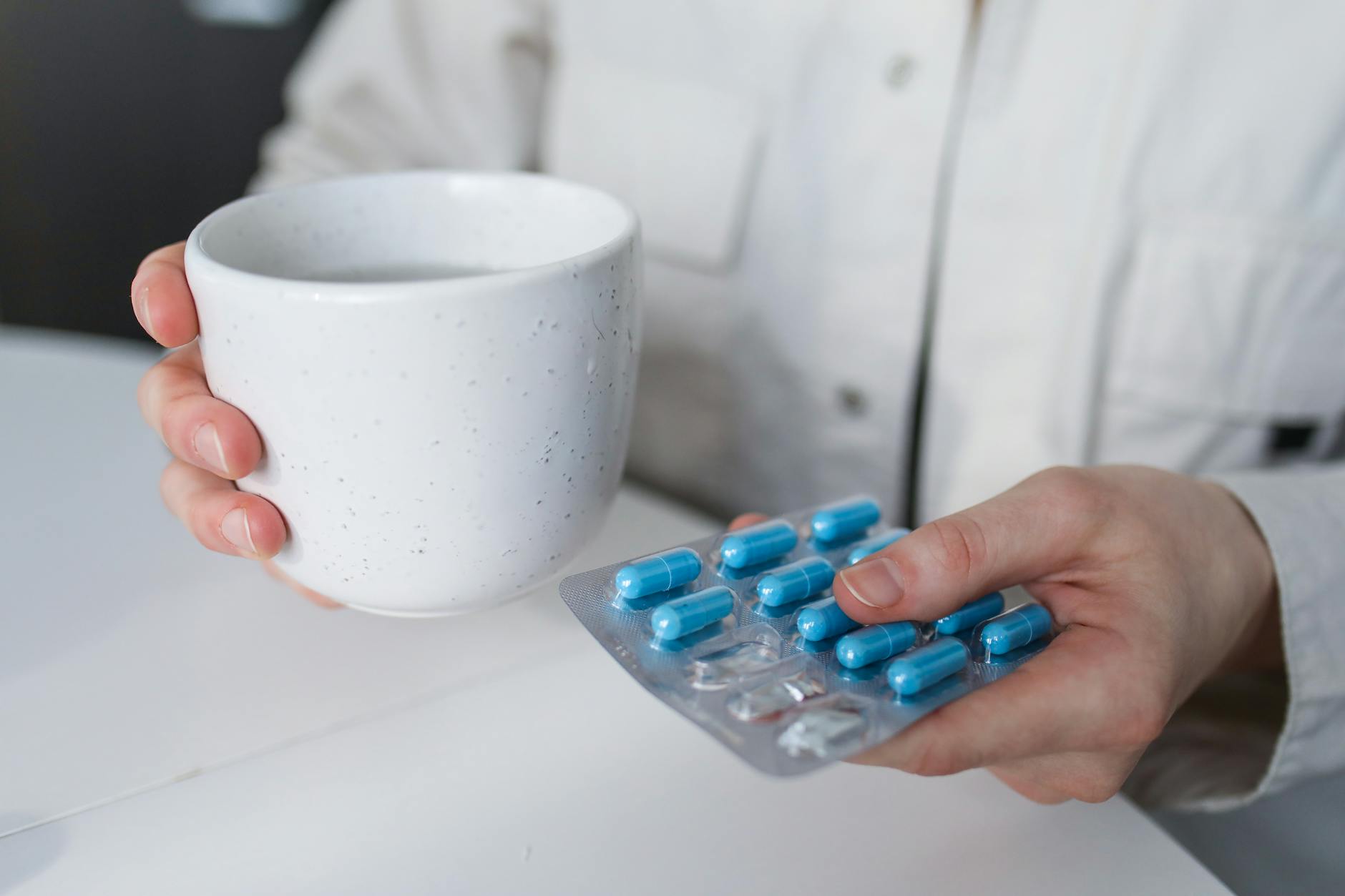
Influenza, commonly known as the flu, is a highly contagious respiratory illness that can cause significant discomfort and, in some cases, severe complications. In India, where seasonal flu outbreaks are common, understanding effective treatment and prevention strategies is crucial for public health. Tamiflu, with its active ingredient oseltamivir, is a widely recognized antiviral medication used to combat the influenza virus. This comprehensive guide delves into the specifics of Tamiflu dosage, its administration, and its role in both treating and preventing the flu, tailored for an Indian audience.
Tamiflu is an antiviral medication belonging to a class of drugs called neuraminidase inhibitors. It works by preventing the influenza virus from spreading within the body. By inhibiting the virus's ability to replicate and spread to new cells, Tamiflu can reduce the severity and duration of flu symptoms, and also help prevent infection after exposure.
For adults experiencing flu symptoms, the typical Tamiflu dosage prescribed for treatment is 75 mg taken twice daily for 5 days. It is most effective when started within 48 hours of the onset of flu symptoms. This regimen aims to significantly shorten the duration of illness and reduce the risk of complications.
Tamiflu can also be used as a preventive measure, particularly for adults who have been in close contact with someone diagnosed with the flu. The usual dosage for prevention is 75 mg taken once daily for at least 10 days. This is often recommended in situations of known exposure or during community outbreaks to reduce the risk of contracting the virus.
Dosage for children is determined by their age, weight, and whether the medication is for treatment or prevention. Tamiflu is generally prescribed to children aged 2 weeks and older for treatment, and for children aged 1 year and older for prevention after exposure.
It is essential to consult a pediatrician for the correct dosage and duration of Tamiflu for children, as they may prescribe it in either capsule or liquid suspension form.
Tamiflu is available in two primary forms that are taken orally:
Your doctor will prescribe the most appropriate form and strength based on your specific needs.
Proper administration of Tamiflu is key to its effectiveness:
While Tamiflu is an effective medication, it's important to remember a few points relevant to its use in India:
It is crucial to consult a doctor if you suspect you have the flu, especially if you belong to a high-risk group (e.g., elderly, young children, pregnant women, individuals with chronic health conditions). Seek medical attention promptly if:
Disclaimer: This information is intended for general knowledge and informational purposes only, and does not constitute medical advice. It is essential to consult with a qualified healthcare professional for any health concerns or before making any decisions related to your health or treatment.
This section adds practical context and preventive advice to help readers make informed healthcare decisions. It is important to verify symptoms early, consult qualified doctors, and avoid self-medication for persistent health issues.
Maintaining healthy routines, following prescribed treatment plans, and attending regular checkups can improve outcomes. If symptoms worsen or red-flag signs appear, immediate medical evaluation is recommended.
Track symptoms and duration.
Follow diagnosis and treatment from a licensed practitioner.
Review medication side effects with your doctor.
Seek urgent care for severe warning signs.
Visit Hospital
Near You

Confused about whether CBD can get you high? Understand the difference between CBD and THC, their effects on your body, and what to look for in safe, non-intoxicating CBD products.
April 1, 2026

Learn about anticoagulants and antiplatelet drugs, often called blood thinners. Understand how they prevent blood clots, when they're prescribed, their side effects, and essential safety tips for Indian readers.
April 1, 2026

Confused about Plan B and abortion pills? Understand the key differences, how they work, and their effectiveness for informed reproductive health decisions.
April 1, 2026